⛪ Suyapa Basilica
Honduras
About This Sacred Site
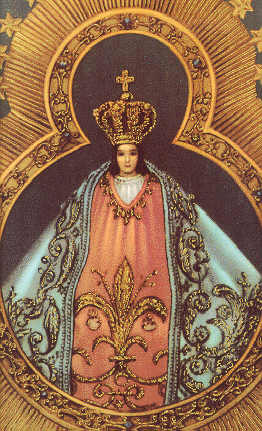
The Basilica of Our Lady of Suyapa, located in the hills southeast of Tegucigalpa, Honduras, is Central America’s most important Marian pilgrimage site and the spiritual heart of the Honduran nation. The basilica houses a tiny cedar-wood statue of the Virgin Mary, measuring just six centimeters tall, that has been venerated since its discovery in 1747 and is credited with numerous miracles. The current basilica is a massive modern structure completed in the 1950s, designed to accommodate the enormous crowds that gather each February for the Virgin of Suyapa’s feast day. The statue itself is kept in a climate-controlled glass case above the main altar, and pilgrims travel from across Honduras and neighboring countries to pray before it. Pope John Paul II visited in 1983, further solidifying the basilica’s status as a destination of international Catholic devotion.
History & Origins
The story begins in 1747, when an indigenous laborer named Alejandro Colindres, sleeping outdoors near the village of Suyapa, felt a small hard object poking his back. He tossed it aside, but it returned beneath him the following night. In the morning light, he discovered a tiny, finely carved cedar statue of the Virgin Mary. Colindres took it home, and soon miraculous healings were reported by those who prayed before it. A small chapel was built to house the statue, and word spread rapidly. By the 19th century, the Virgin of Suyapa had become the most venerated religious figure in Honduras. In 1925, Pope Pius XI officially declared her the patroness of Honduras. As pilgrim numbers overwhelmed the original chapel, construction began on the current large-scale basilica in the 1940s, completed in the 1950s. The basilica’s modern reinforced-concrete design can hold thousands of worshippers and features stained glass windows depicting scenes from the Virgin’s story. The annual February festival has grown into Honduras’s largest religious gathering, with processions, masses, music, and a carnival atmosphere radiating through the surrounding streets for days.
Spiritual Significance
For Hondurans, the Virgin of Suyapa is far more than a religious icon -- she is a national symbol of hope, identity, and resilience. In a country that has endured political instability, natural disasters (including the devastating Hurricane Mitch in 1998), and economic hardship, devotion to the Virgin provides a unifying source of comfort and collective identity that transcends social class. Miracle claims associated with the statue span centuries, with the basilica’s walls lined with ex-votos -- small tokens, photographs, and letters left by grateful pilgrims testifying to answered prayers for healing, safe childbirth, and protection from danger. The February feast day draws pilgrims who walk for days from remote villages, many barefoot as an act of penance. The spiritual intensity peaks during the novena (nine days of prayer) leading up to the feast, when masses are celebrated continuously and the tiny statue is carried through the streets of Tegucigalpa in a grand procession. The basilica also serves as a site for baptisms, weddings, and confirmations for families who consider it the most sacred place to mark life’s milestones.
Key Facts
- •The miraculous statue is only 6 centimeters tall, carved from cedar wood
- •Found by an indigenous laborer named Alejandro Colindres in 1747
- •The Virgin of Suyapa was declared patroness of Honduras in 1925
- •The annual festival in February draws over a million pilgrims
- •The modern basilica was completed in the 1950s to accommodate growing pilgrimages
Visitor Guide
Suyapa Basilica is located about seven kilometers southeast of central Tegucigalpa, easily reached by taxi or local bus. The basilica is open daily for prayer and Mass, and there is no entrance fee. Dress modestly: shoulders and knees should be covered, and hats removed inside the church. The highlight for most visitors is seeing the tiny six-centimeter statue of the Virgin, displayed in a glass case above the altar. Outside the main feast season, the basilica is relatively quiet and you can pray or observe at your own pace. If you visit during the February feast (the Festival de la Virgen de Suyapa, centered around February 3), expect massive crowds, extended hours of Mass, food vendors, music, and a festive pilgrimage atmosphere. This is an unforgettable cultural experience but requires patience with crowds and limited parking. Security has been improved around the basilica area in recent years, though standard precautions for travel in Tegucigalpa apply. The basilica sits on a hill with views over the city, and the surrounding area includes vendors selling religious items and traditional Honduran food.
Location
Coordinates: 14.0847, -87.1639
Frequently Asked Questions
What religion is Suyapa Basilica associated with?▾
Suyapa Basilica is a Christianity holy site located in Honduras. It was established 1747 and is ranked #695 in our global directory of sacred sites.
When was Suyapa Basilica established?▾
Suyapa Basilica dates back to 1747. The miraculous statue is only 6 centimeters tall, carved from cedar wood
How many people visit Suyapa Basilica each year?▾
Suyapa Basilica receives approximately 1,000,000 visitors per year. Found by an indigenous laborer named Alejandro Colindres in 1747
What is Suyapa Basilica known for?▾
Honduras's most important pilgrimage site, housing a tiny miraculous statue of the Virgin of Suyapa. Visitors come seeking miracles, healing, protection. The Virgin of Suyapa was declared patroness of Honduras in 1925
Related Holy Sites
Sacred places connected by country, religion, and purpose
⛪Vatican City (St. Peter's Basilica)
The spiritual center of Roman Catholicism and home of the Pope.
✝️Church of the Holy Sepulchre
The site where Jesus was crucified, buried, and resurrected.