

💀 Skull Island Shrines
Solomon Islands
About This Sacred Site
The skull island shrines of the Western Province, particularly in the Marovo and Roviana lagoons, are sacred sites where the skulls of revered ancestors and defeated enemies were traditionally kept in stone shrines called skull houses. These shrines, found on small islets in the lagoons, were central to the headhunting traditions and ancestor worship of the Western Solomon Islands peoples. The skulls were believed to possess mana (spiritual power) and were consulted for guidance and protection. Despite Christianization, these sites remain deeply sacred.
History & Origins
Skull shrines in the Western Province of the Solomon Islands date back to the pre-contact era, with archaeological evidence suggesting origins as early as the 15th century. These shrines are located on small islets within the lagoons, often built using coral stones and timber. The indigenous people, notably from the Roviana and Vella Lavella groups, constructed stone houses specifically designed to house skulls of ancestors and defeated enemies. These shrines underwent periodic renovations led by clan elders to ensure structural integrity and spiritual potency, with some records indicating refurbishments during the late 19th century coinciding with increased European contact. The shrines played a crucial role during intertribal conflicts, as the possession of enemy skulls symbolized victory and provided spiritual protection. Though many shrines were abandoned or destroyed during colonial administration in the early 20th century, some have been preserved as cultural heritage sites recognized by the Solomon Islands government in recent decades.
Spiritual Significance
The skull shrines functioned as focal points for ancestral veneration, where rituals involved offerings of food, betel nut, and tobacco to the skulls believed to contain the mana or spiritual power of the deceased. Specific ceremonies were held during the planting and harvest seasons to seek blessings for community prosperity, often led by the clan spiritual leader known as the sanguma priest. The skulls of enemies were thought to harness the defeated foes’ strength, preventing malevolent spirits from causing harm. Pilgrims from surrounding islands would visit the shrines during the annual yam festival, engaging in dances and chants that referenced oral traditions passed down through generations. These practices aligned with indigenous cosmologies centered on the balance between the living, ancestors, and the spirit world, as documented in ethnographic studies such as those by anthropologist Hugo Bernatzik in the 1930s.
Key Facts
- •Skull shrines are found on small islets in the lagoons of Western Province
- •Skulls of ancestors and enemies were kept in stone shrine houses
- •The skulls were believed to possess powerful mana (spiritual force)
- •Headhunting was a significant practice until the early 20th century
- •The shrines remain sacred and are treated with deep respect
Location
Coordinates: -8.1000, 156.8500
Frequently Asked Questions
What religion is Skull Island Shrines associated with?▾
Skull Island Shrines is a Indigenous holy site located in Solomon Islands. It was established Pre-contact era and is ranked #1018 in our global directory of sacred sites.
When was Skull Island Shrines established?▾
Skull Island Shrines dates back to Pre-contact era. Skull shrines are found on small islets in the lagoons of Western Province
How many people visit Skull Island Shrines each year?▾
Skull Island Shrines receives approximately 5,000 visitors per year. Skulls of ancestors and enemies were kept in stone shrine houses
What is Skull Island Shrines known for?▾
Sacred island shrines in the Western Province where ancestral skulls are venerated. Visitors come seeking ancestral connection, protection, spiritual enlightenment. The skulls were believed to possess powerful mana (spiritual force)
Related Holy Sites
Sacred places connected by country, religion, and purpose

⛪Holy Cross Cathedral, Honiara
The Anglican cathedral of the Solomon Islands' capital.

🕊️Guadalcanal American Memorial
A memorial on the WWII battlefield where thousands perished in the Pacific campaign.
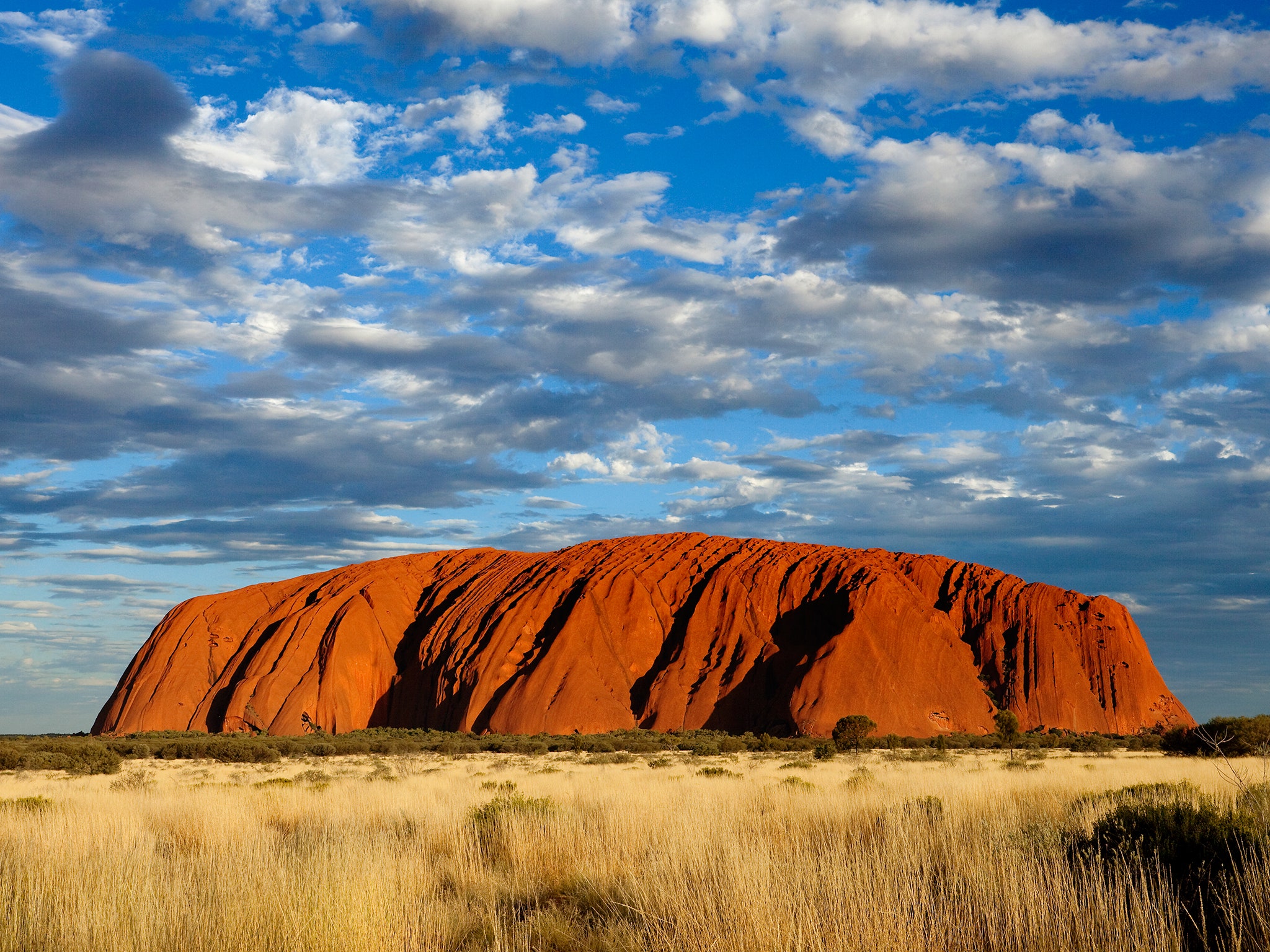
🪨Uluru (Ayers Rock)
A sacred monolith central to Aboriginal Australian creation stories.
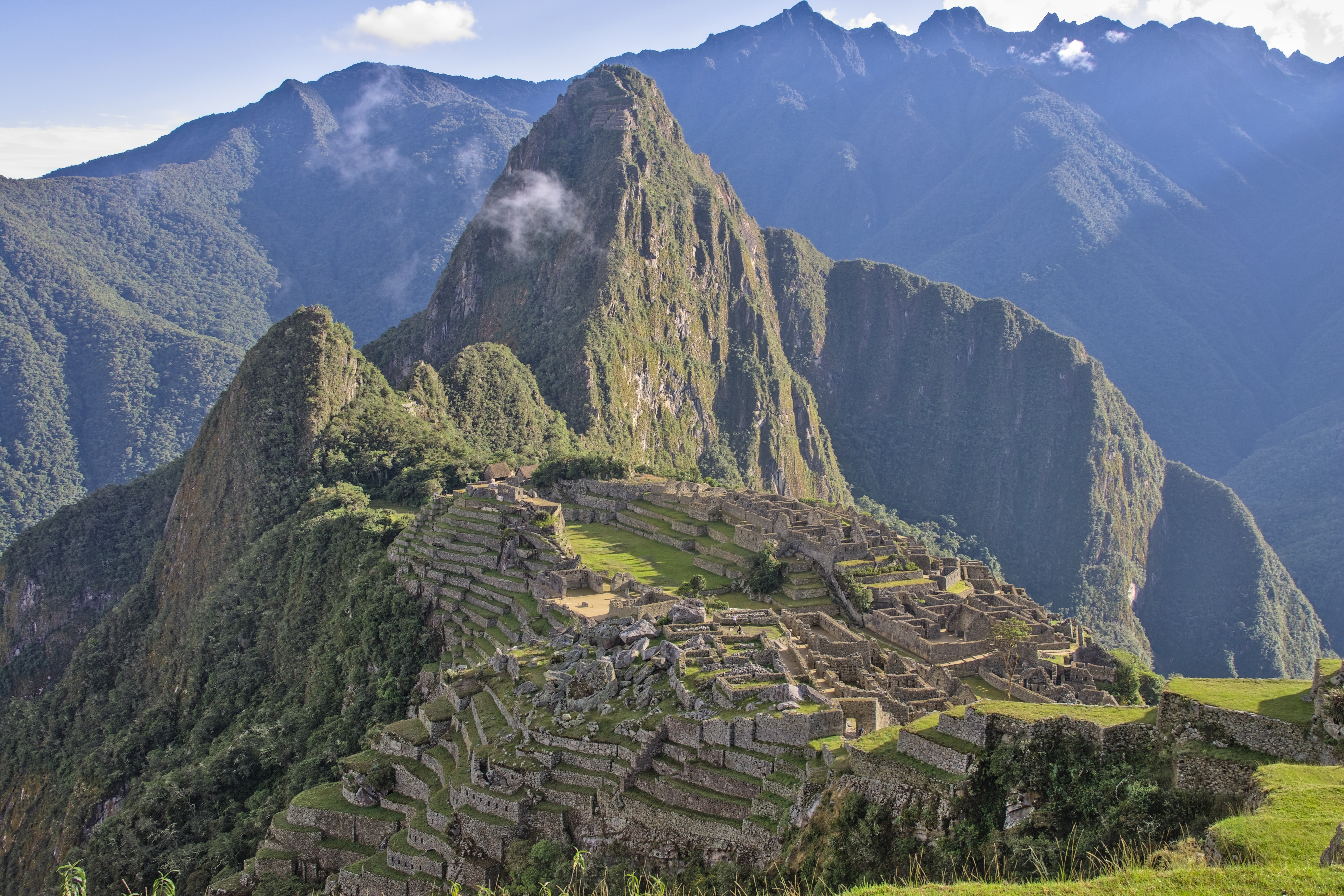
🏔️Machu Picchu
A sacred Inca citadel set high in the Andes, aligned with astronomical events.
🕌Temple Mount / Al-Aqsa (Jerusalem)
Sacred to Judaism, Christianity, and Islam — the most contested holy site on Earth.
🙏Varanasi (Kashi Vishwanath Temple)
The holiest city in Hinduism, where the Ganges River purifies the soul.

