
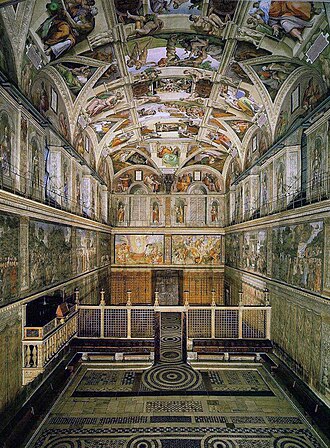
🎨 Sistine Chapel
Vatican City
About This Sacred Site
The Sistine Chapel is the best-known chapel in the Apostolic Palace, the official residence of the Pope. It is renowned for its Renaissance frescoes, above all Michelangelo's ceiling (1508-1512) and his Last Judgment behind the altar (1536-1541), among the most important works of art in human history. The chapel also contains frescoes by Botticelli, Perugino, Ghirlandaio, and other masters on the side walls. Most importantly, it is where the papal conclave meets to elect each new pope, with the famous white smoke signaling a successful election.
Spiritual Significance
The chapel, established in 1481 by Pope Sixtus IV, is the site of the papal conclave where new popes are elected, a ritual governed by centuries-old canon law. Michelangelo’s ceiling frescoes, painted between 1508 and 1512, depict key biblical scenes from Genesis, including the Creation of Adam, embodying Renaissance theological interpretations of divine creation. The Last Judgment, completed between 1536 and 1541 on the altar wall, portrays eschatological themes central to Catholic doctrine as articulated in the Catechism of the Catholic Church, chapter 1021. The chapel hosts the annual Christmas Mass and Easter Vigil celebrated by the Pope, where the liturgy follows the Roman Rite including Gregorian chant, emphasizing salvation history from Creation to Judgment. Pilgrims often view the artwork as a visual scripture, reflecting the Council of Trent’s emphasis on sacred art as a means to instruct the faithful.
Key Facts
- •Michelangelo painted the ceiling between 1508 and 1512, covering over 500 square meters
- •The Last Judgment (1536-1541) covers the entire altar wall with over 300 figures
- •Papal conclaves to elect new popes have been held here since 1492
- •White smoke from the chapel chimney signals the election of a new pope
- •The chapel is named after Pope Sixtus IV, who commissioned its construction in 1473-1481
Location
Coordinates: 41.9029, 12.4545
Frequently Asked Questions
What religion is Sistine Chapel associated with?▾
Sistine Chapel is a Christianity holy site located in Vatican City. It was established 1481 and is ranked #442 in our global directory of sacred sites.
When was Sistine Chapel established?▾
Sistine Chapel dates back to 1481. Michelangelo painted the ceiling between 1508 and 1512, covering over 500 square meters
How many people visit Sistine Chapel each year?▾
Sistine Chapel receives approximately 6 million visitors per year. The Last Judgment (1536-1541) covers the entire altar wall with over 300 figures
What is Sistine Chapel known for?▾
The papal chapel famed for Michelangelo's ceiling and Last Judgment, where popes are elected. Visitors come seeking spiritual enlightenment, guidance, blessings, peace. Papal conclaves to elect new popes have been held here since 1492
Related Holy Sites
Sacred places connected by country, religion, and purpose
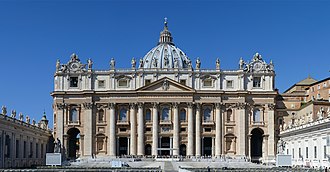
⛪Vatican City (St. Peter's Basilica)
The spiritual center of Roman Catholicism and home of the Pope.
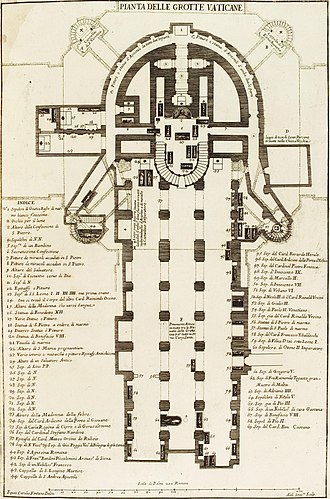
⚰️Vatican Grottoes
The underground burial chambers beneath St. Peter's Basilica, final resting place of numerous popes.
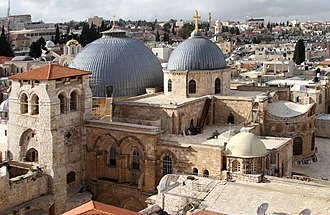
✝️Church of the Holy Sepulchre
The site where Jesus was crucified, buried, and resurrected.
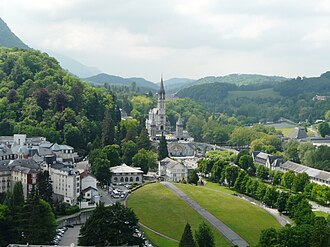
💧Lourdes (Sanctuary of Our Lady)
Where the Virgin Mary appeared 18 times, famous for miraculous healings.
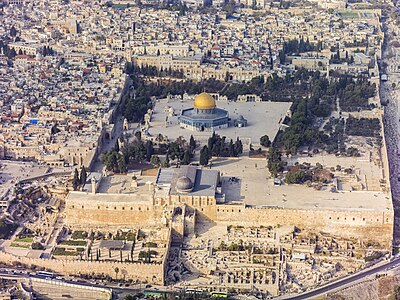
🕌Temple Mount / Al-Aqsa (Jerusalem)
Sacred to Judaism, Christianity, and Islam — the most contested holy site on Earth.
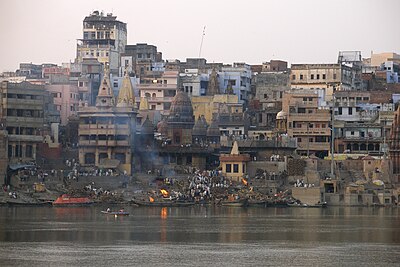
🙏Varanasi (Kashi Vishwanath Temple)
The holiest city in Hinduism, where the Ganges River purifies the soul.

