
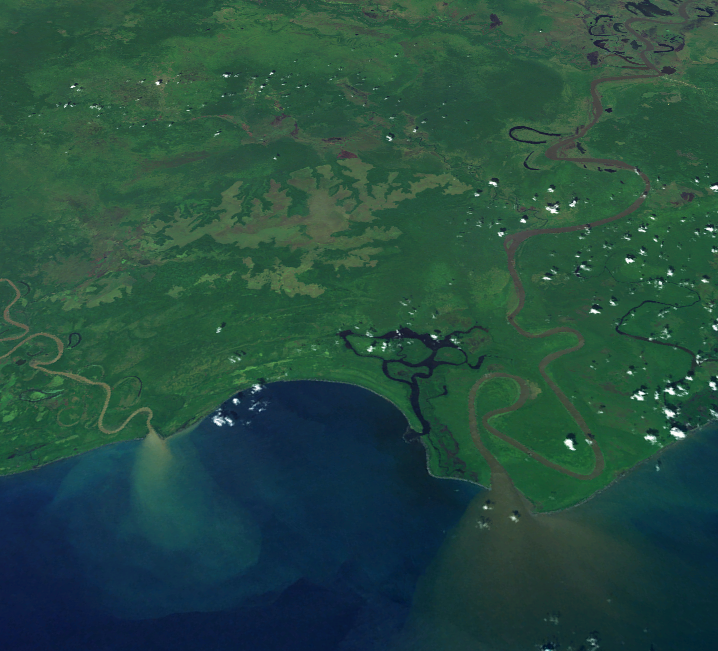
🏠 Sepik Spirit Houses
Papua New Guinea
About This Sacred Site
Haus Tambarans, or spirit houses, in the Sepik region of Papua New Guinea are monumental structures reaching up to 25 meters in height, constructed primarily from timber and natural fibers. Their facades are adorned with intricately carved ancestral figures and mythical motifs painted in red, white, and black pigments derived from local minerals. The elongated ridgepole and gabled roof symbolize the connection between the earthly realm and ancestral spirits. These houses are raised on stilts above the floodplain and oriented according to clan-specific cosmologies. The elaborate carvings serve both decorative and ritual functions, with some panels depicting totemic animals and legendary events unique to each community.
History & Origins
The Sepik Spirit Houses have ancient origins, deeply rooted in the spiritual and social fabric of the Sepik River peoples. Traditionally built by clans, these communal structures housed ritual activities central to the community’s religious life, including ceremonies to honor ancestors and invoke protective spirits. The elaborate carvings and paintings represent myths, totems, and clan histories, passed down through generations. Despite pressures from modernization and missionary activity, many Sepik communities continue to preserve and rebuild their Spirit Houses, maintaining their role as vital cultural and spiritual hubs.
Spiritual Significance
Spirit houses function as sacred communal centers where only initiated men enter to perform rituals tied to ancestral veneration and fertility rites. The carvings represent guardian spirits believed to protect the community and mediate between the living and the supernatural, a belief central to Sepik cosmology. Initiation ceremonies occurring within the houses often involve secret teachings, chanting, and the use of ritual objects such as masks and drums. The spirit houses are integral to social cohesion, with rituals timed to the agricultural calendar and marked by exchanges of shell money. These practices underscore a theology emphasizing harmony with the spirit world as essential for communal wellbeing.
Key Facts
- •Haus Tambarans can reach heights of 25 meters with elaborately carved facades
- •Only initiated men are traditionally allowed to enter the spirit houses
- •The carvings represent ancestral spirits, totems, and mythological beings
- •The Sepik region produces some of the most sought-after indigenous art in the world
- •Initiation ceremonies in the spirit houses include scarification rituals symbolizing crocodile spirits
Location
Coordinates: -4.0500, 141.9167
Frequently Asked Questions
What religion is Sepik Spirit Houses associated with?▾
Sepik Spirit Houses is a Indigenous holy site located in Papua New Guinea. It was established Ancient and is ranked #1017 in our global directory of sacred sites.
When was Sepik Spirit Houses established?▾
Sepik Spirit Houses dates back to Ancient. Haus Tambarans can reach heights of 25 meters with elaborately carved facades
How many people visit Sepik Spirit Houses each year?▾
Sepik Spirit Houses receives approximately 5,000 visitors per year. Only initiated men are traditionally allowed to enter the spirit houses
What is Sepik Spirit Houses known for?▾
Towering ceremonial houses of the Sepik River people, centers of ancestral spiritual practice. Visitors come seeking ancestral connection, protection, spiritual enlightenment. The carvings represent ancestral spirits, totems, and mythological beings
Related Holy Sites
Sacred places connected by country, religion, and purpose
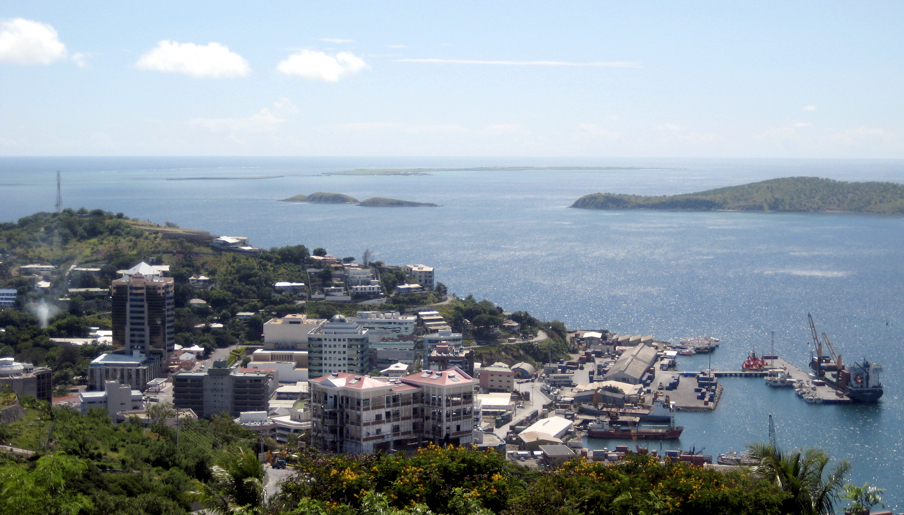
⛪Cathedral of the Sacred Heart, Port Moresby
The principal Catholic cathedral of Papua New Guinea's capital.

🏠Sepik River Spirit Houses
Towering ceremonial spirit houses (haus tambaran) of the Sepik River peoples.
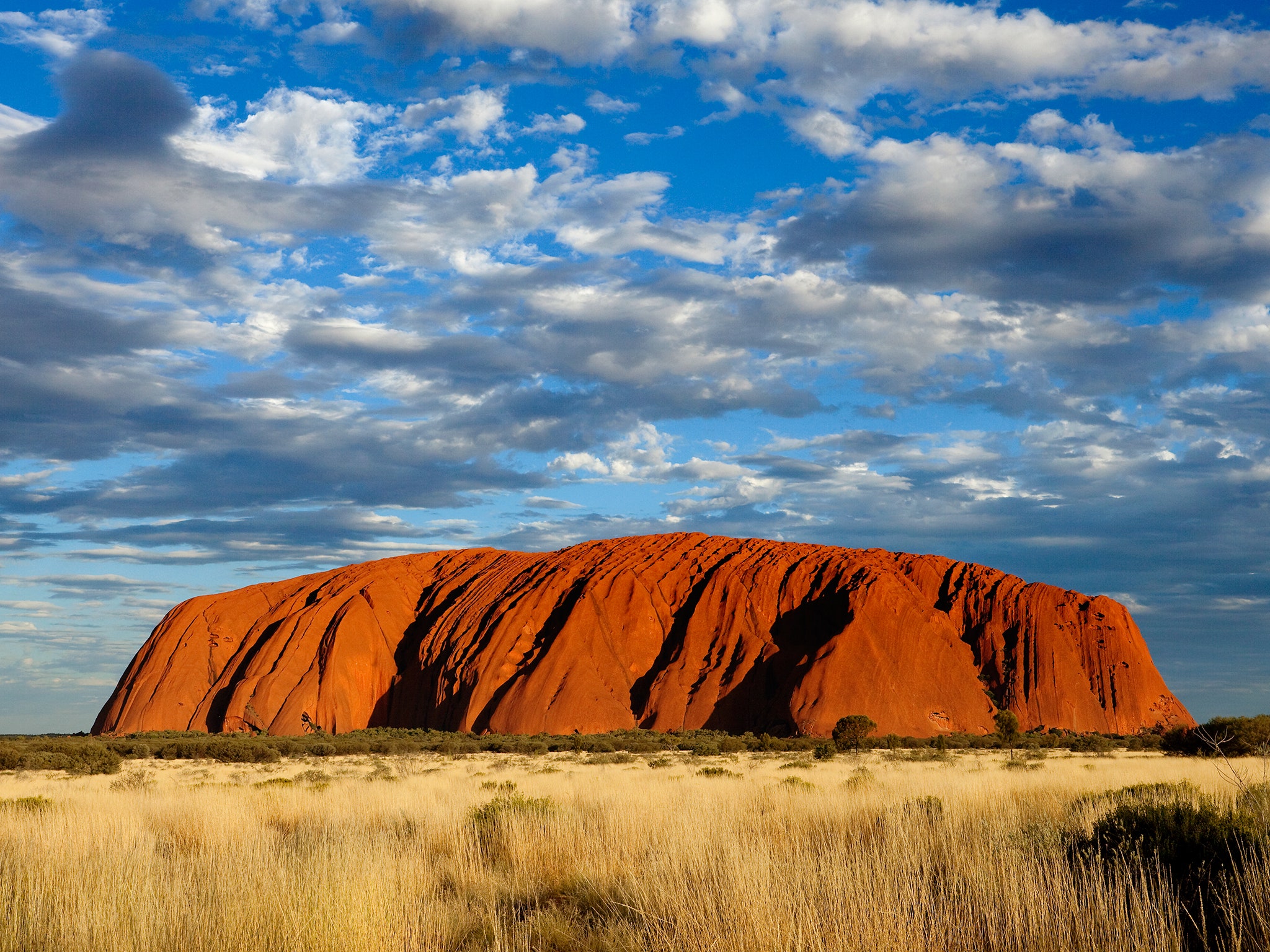
🪨Uluru (Ayers Rock)
A sacred monolith central to Aboriginal Australian creation stories.
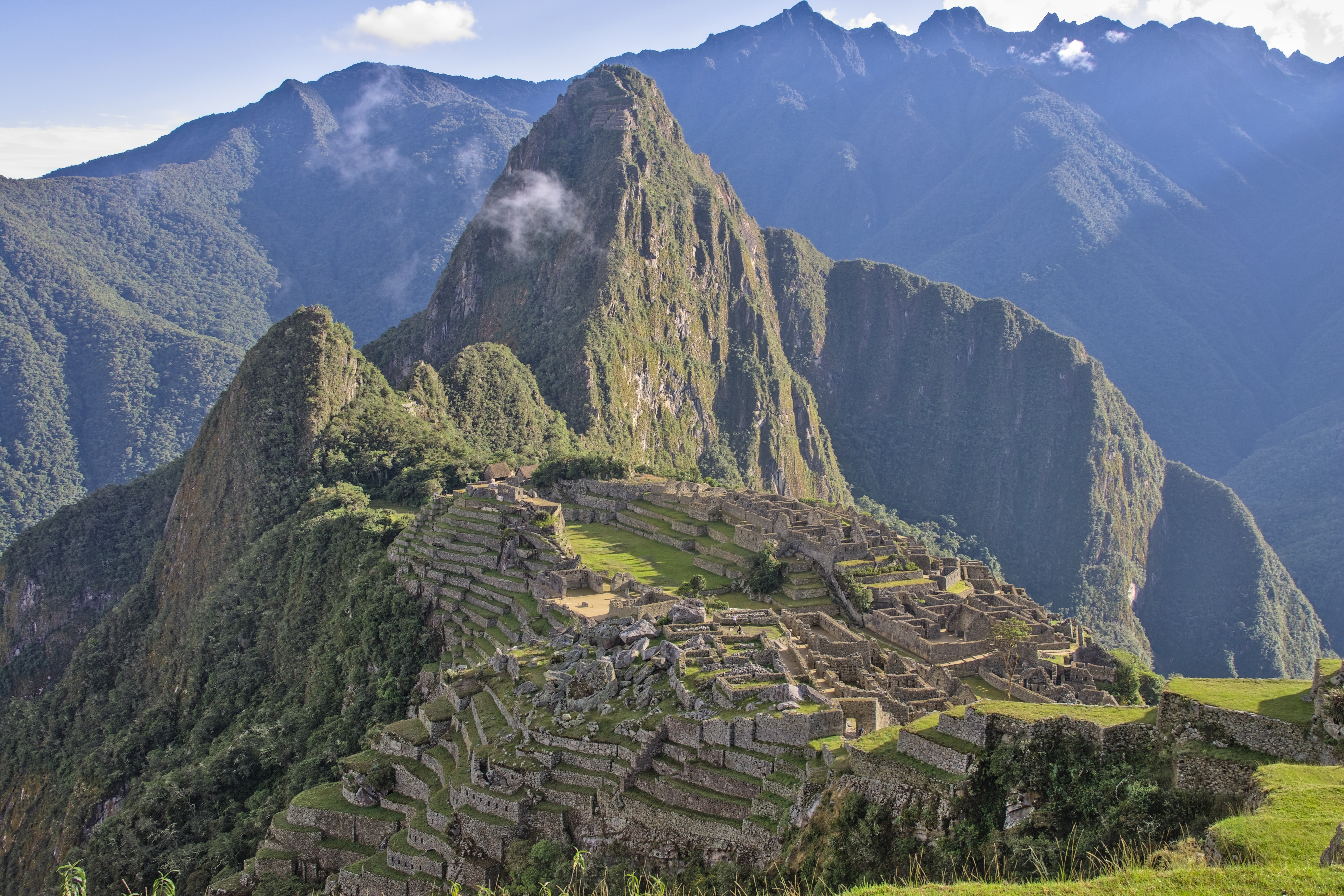
🏔️Machu Picchu
A sacred Inca citadel set high in the Andes, aligned with astronomical events.
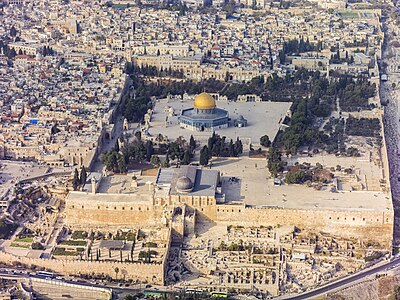
🕌Temple Mount / Al-Aqsa (Jerusalem)
Sacred to Judaism, Christianity, and Islam — the most contested holy site on Earth.
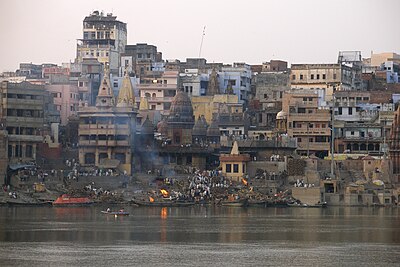
🙏Varanasi (Kashi Vishwanath Temple)
The holiest city in Hinduism, where the Ganges River purifies the soul.

