🌊 Sea of Galilee (Capernaum and Tabgha)
Israel
About This Sacred Site
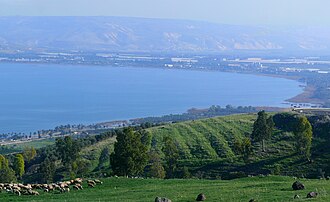
The Sea of Galilee (Lake Kinneret) is the largest freshwater lake in Israel and the setting for many of the most famous events in the life of Jesus. Capernaum, on its northern shore, served as Jesus's home base during his Galilean ministry and is where he performed numerous healings. Tabgha, nearby, is the traditional site of the Multiplication of the Loaves and Fishes and where Jesus appeared to his disciples after the resurrection. The Mount of Beatitudes, overlooking the lake, is where Jesus delivered the Sermon on the Mount. A first-century fishing boat discovered in 1986, now displayed in a museum, dates to the time of Jesus. The lake remains an active fishing ground, and pilgrim boats cross its waters daily.
History & Origins
The Sea of Galilee region, including the towns of Capernaum and Tabgha, has been a significant historical area since at least the early first century CE, closely associated with the ministry of Jesus Christ, who lived and preached there around 30 CE. Capernaum became a center for early Christian activity, evidenced by the remains of a 4th-century synagogue built atop an earlier structure from Jesus's era, indicating continuous religious use. Tabgha is renowned for the Church of the Multiplication, constructed in the 4th century and rebuilt in 1982, marking the site of Jesus's miracle of feeding 5,000 people with loaves and fishes, as described in the Gospels. In 1986, a 2,000-year-old fishing boat, known as the 'Jesus Boat,' was unearthed in the lake mud, providing concrete archaeological evidence of the fishing culture during Jesus's time. The area was under Roman rule during this period and later saw Byzantine and Crusader constructions, reflecting its ongoing religious and strategic importance. Modern excavations continue to uncover artifacts that illuminate the daily lives of its ancient inhabitants.
Spiritual Significance
The Sea of Galilee is venerated within Christianity as the backdrop for numerous miracles performed by Jesus, including walking on water (Matthew 14:22-33) and calming a storm (Mark 4:35-41), reinforcing its theological symbolism of divine authority over nature. Pilgrims often visit the Mount of Beatitudes near Tabgha to participate in liturgical celebrations commemorating the Sermon on the Mount, a foundational teaching moment recorded in the Gospel of Matthew. The presence of the 'Jesus Boat' is a focal point for reflection on the humble origins of Jesus's ministry and the connection to fishermen disciples like Peter and Andrew. Baptisms and prayer vigils are regularly held along the lake's shore, integrating natural elements into worship practices. The Church of the Multiplication serves as a pilgrimage destination during the Feast of the Loaves and Fishes, drawing faithful from around the world to celebrate themes of providence and compassion central to Christian faith.
Key Facts
- •The setting for many of Jesus's miracles including walking on water and calming the storm
- •A 2,000-year-old fishing boat (the 'Jesus Boat') was discovered in the lake mud in 1986
- •Capernaum was called 'the town of Jesus' and served as his ministry headquarters
- •The Church of the Multiplication at Tabgha has a famous 5th-century fish mosaic
- •At 209 meters below sea level, it is the lowest freshwater lake on Earth
Location
Coordinates: 32.8303, 35.5811
Frequently Asked Questions
What religion is Sea of Galilee (Capernaum and Tabgha) associated with?▾
Sea of Galilee (Capernaum and Tabgha) is a Christianity holy site located in Israel. It was established c. 30 CE (ministry of Jesus) and is ranked #164 in our global directory of sacred sites.
When was Sea of Galilee (Capernaum and Tabgha) established?▾
Sea of Galilee (Capernaum and Tabgha) dates back to c. 30 CE (ministry of Jesus). The setting for many of Jesus's miracles including walking on water and calming the storm
How many people visit Sea of Galilee (Capernaum and Tabgha) each year?▾
Sea of Galilee (Capernaum and Tabgha) receives approximately 2+ million visitors per year. A 2,000-year-old fishing boat (the 'Jesus Boat') was discovered in the lake mud in 1986
What is Sea of Galilee (Capernaum and Tabgha) known for?▾
The lake where Jesus walked on water, calmed storms, and performed many of his miracles. Visitors come seeking healing, miracles, peace, spiritual enlightenment. Capernaum was called 'the town of Jesus' and served as his ministry headquarters
Related Holy Sites
Sacred places connected by country, religion, and purpose
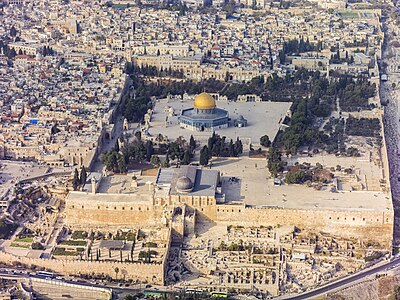
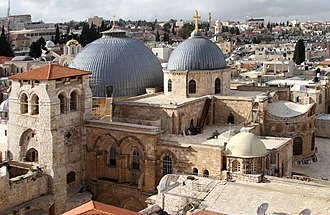
✝️Church of the Holy Sepulchre
The site where Jesus was crucified, buried, and resurrected.
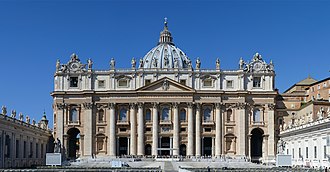
⛪Vatican City (St. Peter's Basilica)
The spiritual center of Roman Catholicism and home of the Pope.
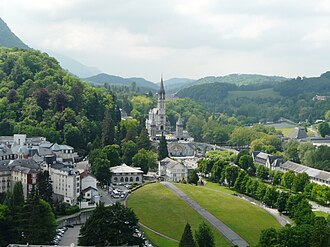
💧Lourdes (Sanctuary of Our Lady)
Where the Virgin Mary appeared 18 times, famous for miraculous healings.