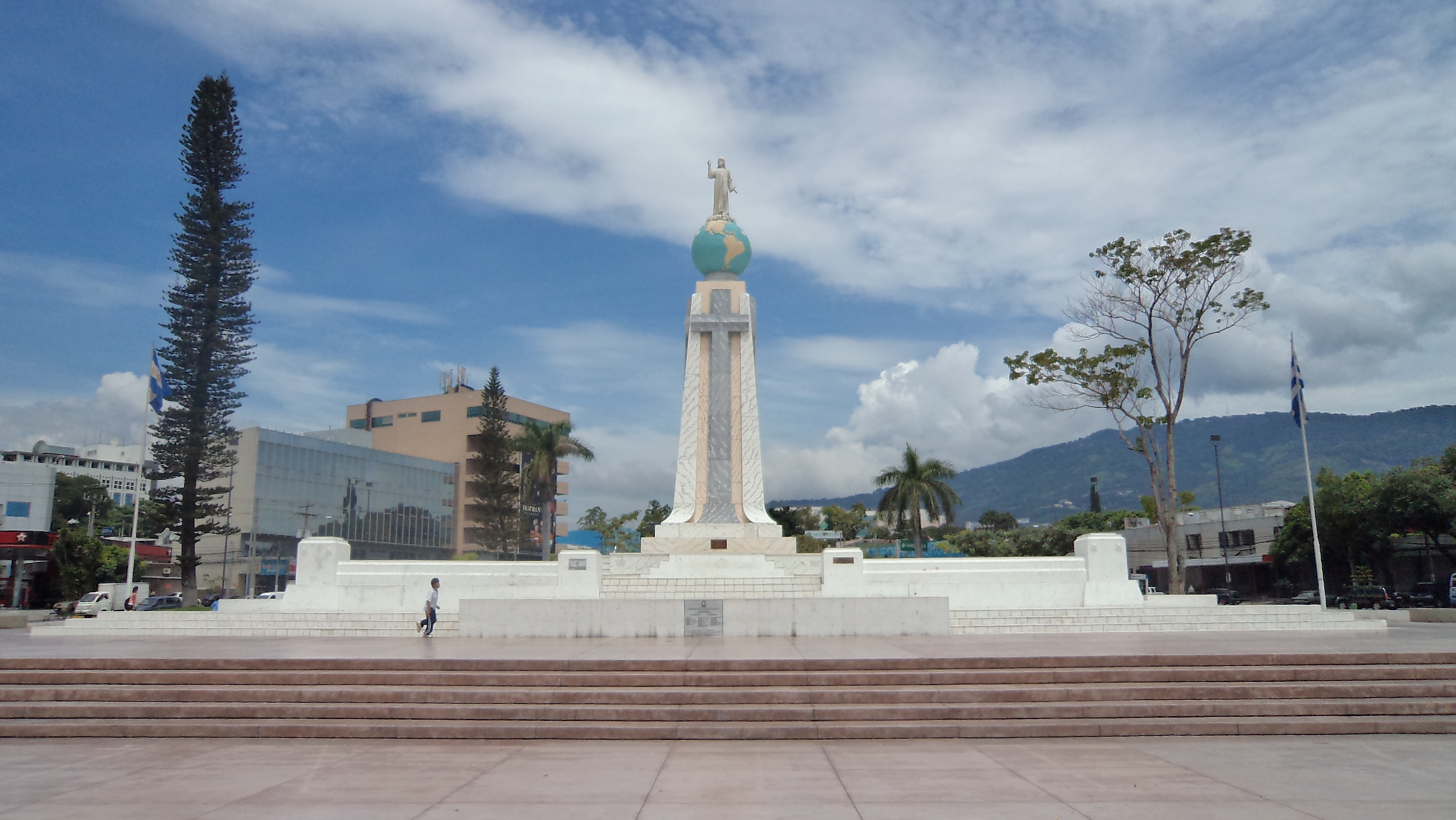
⛪ San Salvador Metropolitan Cathedral
El Salvador
About This Sacred Site
The Metropolitan Cathedral of the Holy Savior in San Salvador, established in 1842, is the principal Catholic church of El Salvador. It holds great spiritual significance as the site of major religious ceremonies and the final resting place of Archbishop Óscar Romero, a martyr for social justice. The cathedral’s neoclassical architecture and central location make it a focal point of Salvadoran religious life and cultural identity.
History & Origins
The San Salvador Metropolitan Cathedral was completed in 1842 under the administration of President Francisco Malespín, built on the site of earlier colonial religious structures dating back to the 16th century. The cathedral was designed in a neoclassical style featuring Corinthian columns and a prominent bell tower. Archbishop Óscar Romero, assassinated in 1980 for his outspoken advocacy for human rights, is interred in its crypt, making it a focal point for pilgrimage since his beatification in 2015 and canonization by Pope Francis in 2018. The cathedral suffered extensive damage during the 1986 earthquakes, leading to restoration efforts completed in 1999, which reinforced its structural stability and restored its stained glass windows depicting scenes from the life of Christ. The cathedral remains the seat of the Roman Catholic Archdiocese of San Salvador and a central location for national religious ceremonies.
Spiritual Significance
The cathedral is a pilgrimage site primarily due to the tomb of Saint Óscar Romero, where devotees participate in annual commemorations on March 24th, the anniversary of his martyrdom, including Masses, prayer vigils, and social justice processions reflecting Romero’s teachings. The liturgical celebrations adhere to the Roman Rite, with special emphasis on the Eucharist as central to Salvadoran Catholic worship. Devotees invoke Romero’s intercession for peace and human rights, aligning with his homilies against oppression, recorded in Vatican archives. The cathedral also hosts novenas and retreats focusing on liberation theology principles promoted by Romero, integrating scriptural readings from Isaiah 1:17 and the Beatitudes. The site’s spiritual activities underscore the integration of faith and social activism within the Salvadoran Catholic community.
Key Facts
- •Archbishop Óscar Romero's tomb is in the cathedral crypt, a major pilgrimage site
- •Romero was canonized as a saint by Pope Francis in 2018
- •The cathedral was heavily damaged by fire in 1951 and rebuilt in the 1990s
- •Features a colorful façade designed by artist Fernando Llort
- •Located on the central plaza of San Salvador facing the National Palace
Location
Coordinates: 13.6981, -89.1914
Frequently Asked Questions
What religion is San Salvador Metropolitan Cathedral associated with?▾
San Salvador Metropolitan Cathedral is a Christianity holy site located in El Salvador. It was established 1842 and is ranked #774 in our global directory of sacred sites.
When was San Salvador Metropolitan Cathedral established?▾
San Salvador Metropolitan Cathedral dates back to 1842. Archbishop Óscar Romero's tomb is in the cathedral crypt, a major pilgrimage site
How many people visit San Salvador Metropolitan Cathedral each year?▾
San Salvador Metropolitan Cathedral receives approximately 500,000 visitors per year. Romero was canonized as a saint by Pope Francis in 2018
What is San Salvador Metropolitan Cathedral known for?▾
The principal cathedral of El Salvador, where Archbishop Óscar Romero was assassinated while celebrating Mass. Visitors come seeking salvation, forgiveness, peace. The cathedral was heavily damaged by fire in 1951 and rebuilt in the 1990s
Related Holy Sites
Sacred places connected by country, religion, and purpose
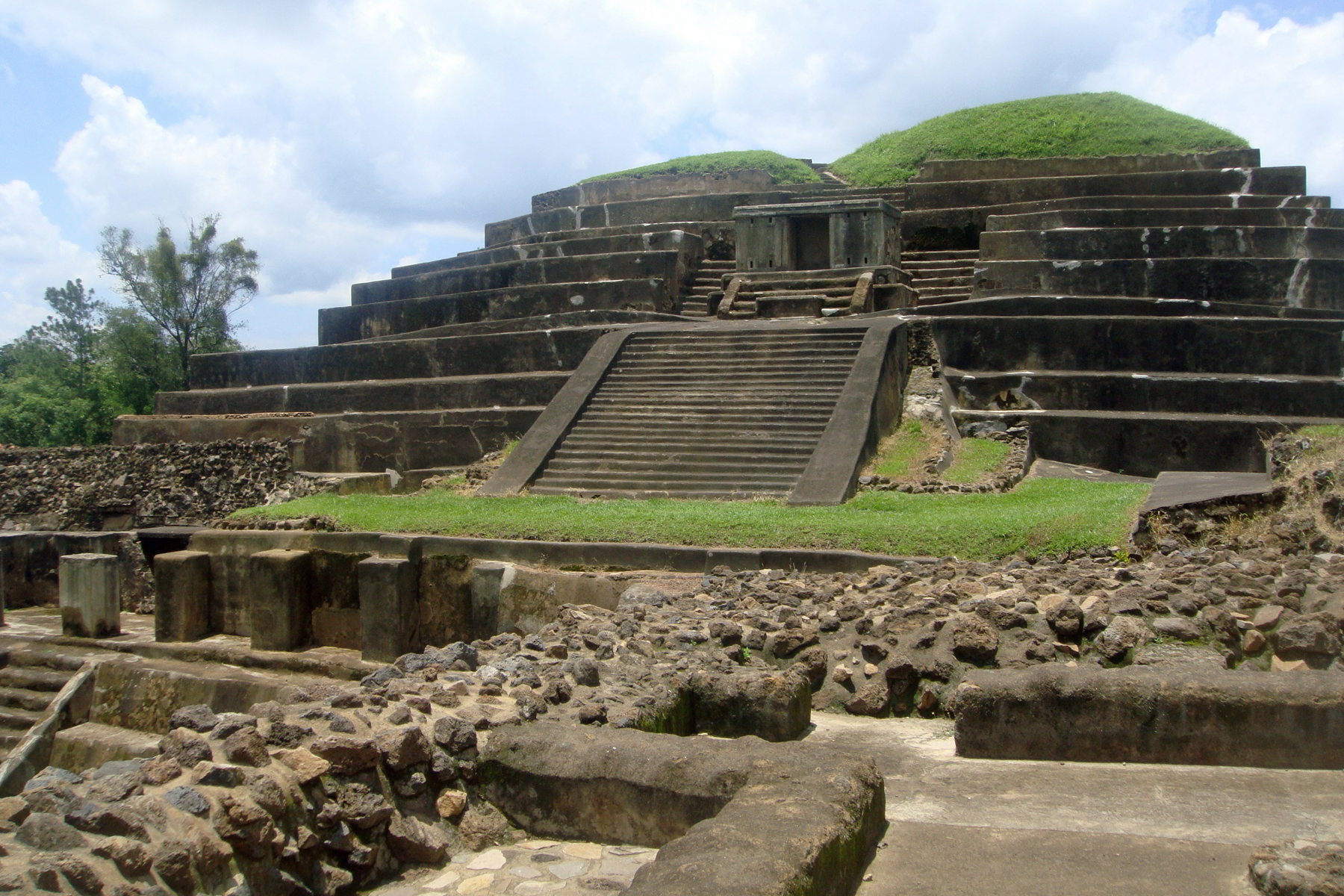
🏛️Tazumal Ruins
The most important pre-Columbian pyramid site in El Salvador.
🏛️Joya de Cerén
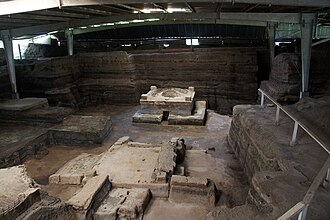
A UNESCO-listed Maya village preserved by volcanic ash, called 'the Pompeii of the Americas.'
⛪Vatican City (St. Peter's Basilica)
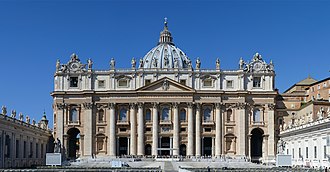
The spiritual center of Roman Catholicism and home of the Pope.
✝️Church of the Holy Sepulchre
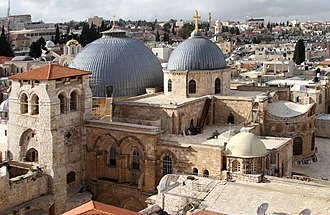
The site where Jesus was crucified, buried, and resurrected.