
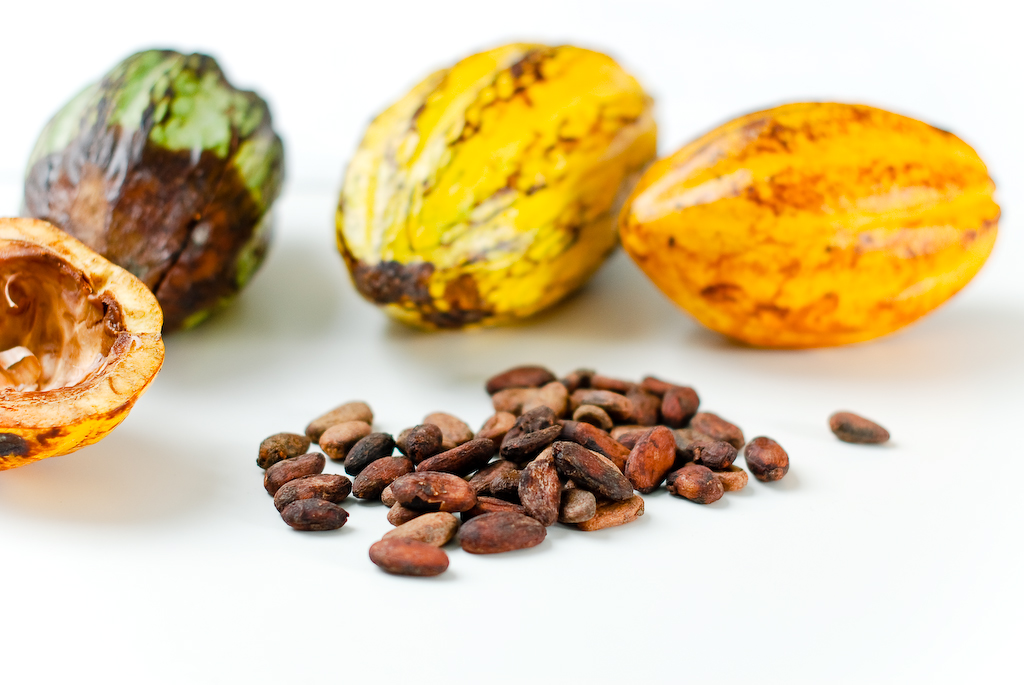
🏚️ Roça Plantations
São Tomé and Príncipe
About This Sacred Site
The roças (plantation estates) of São Tomé and Príncipe are the historical heart of the islands' colonial experience, vast agricultural complexes that once produced much of the world's cocoa. Many roças include churches and chapels that served both the plantation owners and the contract laborers (many from Angola, Mozambique, and Cape Verde) who worked the fields. These chapels became centers of a syncretic spirituality blending Catholic faith with African spiritual traditions. Today, the atmospheric ruins of the roças, with their crumbling plantation houses and overgrown chapels, are pilgrimage sites of historical memory and ancestral connection.
History & Origins
The Roça plantations in São Tomé and Príncipe date primarily to the 19th century colonial era when the islands became the world's largest cocoa producer under Portuguese rule. The plantations were established following the abolition of slavery in 1876, leading to the importation of laborers from Angola, Mozambique, Cape Verde, and mainland Portugal to work on these estates. Many roças, such as Roça Sundy and Roça Agostinho Neto, include churches and chapels constructed between 1880 and 1920, reflecting the integration of religious structures within economic enterprises. Throughout the 20th century, several plantations underwent renovations to modernize processing facilities, particularly during the 1950s under Governor Sarmento Rodrigues. Post-independence in 1975 led to nationalization and gradual decline of the roças, which today are recognized as cultural heritage sites representing the islands' complex colonial past and agro-industrial history.
Spiritual Significance
The churches and chapels within the Roça plantations serve as multi-faith spiritual centers for workers and their descendants, blending Catholicism with African traditional beliefs brought by laborers from Angola, Mozambique, and Cape Verde. Regular Sunday Masses in these colonial-era chapels often incorporate hymns in Portuguese and Creole, reflecting the syncretic religious identity of the plantation communities. Festivals such as the Feast of Our Lady of Mount Carmel, celebrated on July 16th, include processions that trace routes used historically by plantation workers, symbolizing their resilience and faith. Prayer gatherings often involve recitations from the Book of Psalms, particularly Psalm 23, emphasizing divine guidance amid hardship. The chapels also host baptisms and weddings that adhere to Catholic sacramental rites, marking life milestones within the plantation society. Spiritual leaders, including Catholic priests and community elders, facilitate ceremonies that blend Christian liturgy with ancestral veneration practices, demonstrating the roças' unique role as sites of religious and cultural convergence.
Key Facts
- •São Tomé was once the world's largest cocoa producer
- •Many roças include churches and chapels dating to the colonial era
- •Workers came from Angola, Mozambique, Cape Verde, and elsewhere
- •Chapels became sites of syncretic Catholic-African spirituality
- •The atmospheric ruins attract visitors seeking historical and spiritual connection
Location
Coordinates: 0.2500, 6.6167
Frequently Asked Questions
What religion is Roça Plantations associated with?▾
Roça Plantations is a Multi-faith holy site located in São Tomé and Príncipe. It was established c. 19th century and is ranked #464 in our global directory of sacred sites.
When was Roça Plantations established?▾
Roça Plantations dates back to c. 19th century. São Tomé was once the world's largest cocoa producer
How many people visit Roça Plantations each year?▾
Roça Plantations receives approximately 8,000 visitors per year. Many roças include churches and chapels dating to the colonial era
What is Roça Plantations known for?▾
Historic cocoa plantation estates with chapels and spiritual significance. Visitors come seeking ancestral connection, healing, forgiveness. Workers came from Angola, Mozambique, Cape Verde, and elsewhere
Related Holy Sites
Sacred places connected by country, religion, and purpose
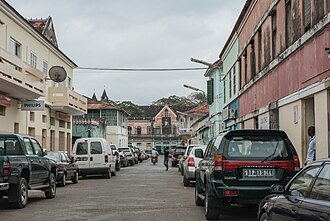
⛪Cathedral of São Tomé
The principal cathedral of São Tomé, a former Portuguese colonial church.
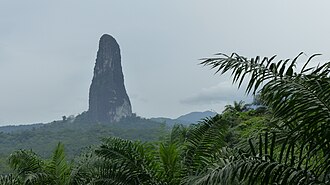
⛰️Pico Cão Grande
A dramatic volcanic needle rising from the rainforest, revered as a sacred landmark.
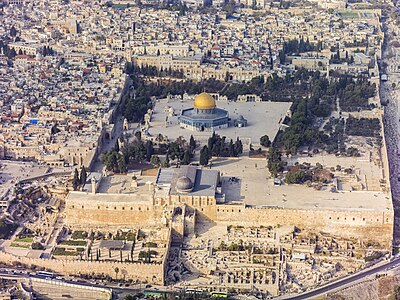
🕌Temple Mount / Al-Aqsa (Jerusalem)
Sacred to Judaism, Christianity, and Islam — the most contested holy site on Earth.
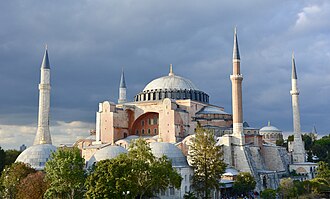
🏛️Hagia Sophia
A masterpiece that served as cathedral, mosque, and museum across centuries.
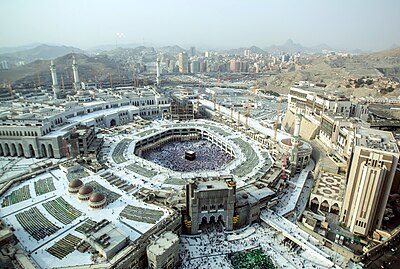
🕋Masjid al-Haram (Great Mosque of Mecca)
The holiest site in Islam, home of the Kaaba, and the destination for Hajj pilgrimage.
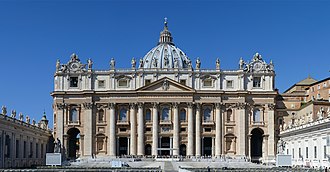
⛪Vatican City (St. Peter's Basilica)
The spiritual center of Roman Catholicism and home of the Pope.

