⛪ Riga Cathedral
Latvia
About This Sacred Site
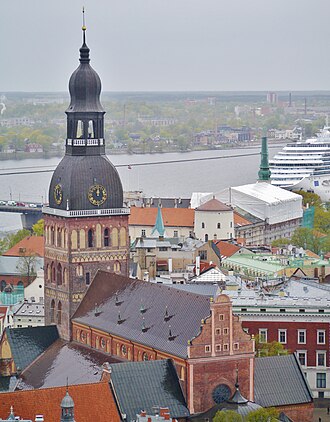
Riga Cathedral (Rīgas Doms) is the largest medieval church in the Baltic states, located in Riga, Latvia. Founded in 1211, it serves as the seat of the Archbishop of the Evangelical Lutheran Church of Latvia. The cathedral is renowned for its distinctive Romanesque, Gothic, and Baroque architectural elements, and the famous 19th-century organ, one of the largest in Europe. It remains a vibrant religious center and a cultural venue for concerts and events.
History & Origins
Constructed beginning in 1211 by Bishop Albert, Riga Cathedral was originally a Catholic church before becoming Lutheran during the Reformation in the 16th century. Over centuries, the cathedral underwent multiple expansions and renovations, integrating Romanesque foundations with Gothic vaults and Baroque spires. Its organ, installed in the late 19th century, is a masterpiece attracting organists worldwide. The cathedral survived political upheavals, including Swedish and Russian rule, adapting its religious function accordingly. Today, it stands as a symbol of Riga’s ecclesiastical history and cultural resilience.
Spiritual Significance
Riga Cathedral, founded in 1211 under Bishop Albert of Riga, serves as the principal Lutheran church in Latvia and is central to the spiritual life of the region. Its Walker organ, installed in 1884 with 6,718 pipes, is used during regular liturgical services and special concerts, enhancing worship with its renowned acoustics. The cathedral hosts the annual Festival of the Organ, attracting international musicians and pilgrims alike. The cloister remains the only preserved medieval monastic courtyard in Riga, historically used for processions and gatherings during major Christian feasts such as Easter and Christmas. The cathedral follows the liturgical calendar of the Latvian Evangelical Lutheran Church, celebrating sacraments like Baptism and Holy Communion in accordance with the Augsburg Confession. The pulpit, dating from the 17th century, is inscribed with biblical passages from Psalms and the Epistles, emphasizing the cathedral's role as a center for scriptural teaching and community prayer.
Key Facts
- •Founded in 1211, making it the largest medieval church in the Baltics
- •The Walker organ (1884) has 6,718 pipes and was once the largest in the world
- •The cloister is the only preserved medieval cloister in the Baltic states
- •The architecture blends Romanesque, early Gothic, Baroque, and Art Nouveau elements
- •The weathercock atop the spire has been a symbol of Riga since the medieval period
Location
Coordinates: 56.9496, 24.1040
Frequently Asked Questions
What religion is Riga Cathedral associated with?▾
Riga Cathedral is a Christianity holy site located in Latvia. It was established 1211 and is ranked #460 in our global directory of sacred sites.
When was Riga Cathedral established?▾
Riga Cathedral dates back to 1211. Founded in 1211, making it the largest medieval church in the Baltics
How many people visit Riga Cathedral each year?▾
Riga Cathedral receives approximately 400,000 visitors per year. The Walker organ (1884) has 6,718 pipes and was once the largest in the world
What is Riga Cathedral known for?▾
The largest medieval church in the Baltic states, home to a world-famous historic organ. Visitors come seeking blessings, guidance, peace, spiritual enlightenment. The cloister is the only preserved medieval cloister in the Baltic states
Related Holy Sites
Sacred places connected by country, religion, and purpose
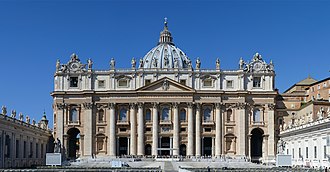
⛪Vatican City (St. Peter's Basilica)
The spiritual center of Roman Catholicism and home of the Pope.
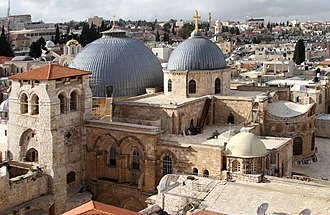
✝️Church of the Holy Sepulchre
The site where Jesus was crucified, buried, and resurrected.