
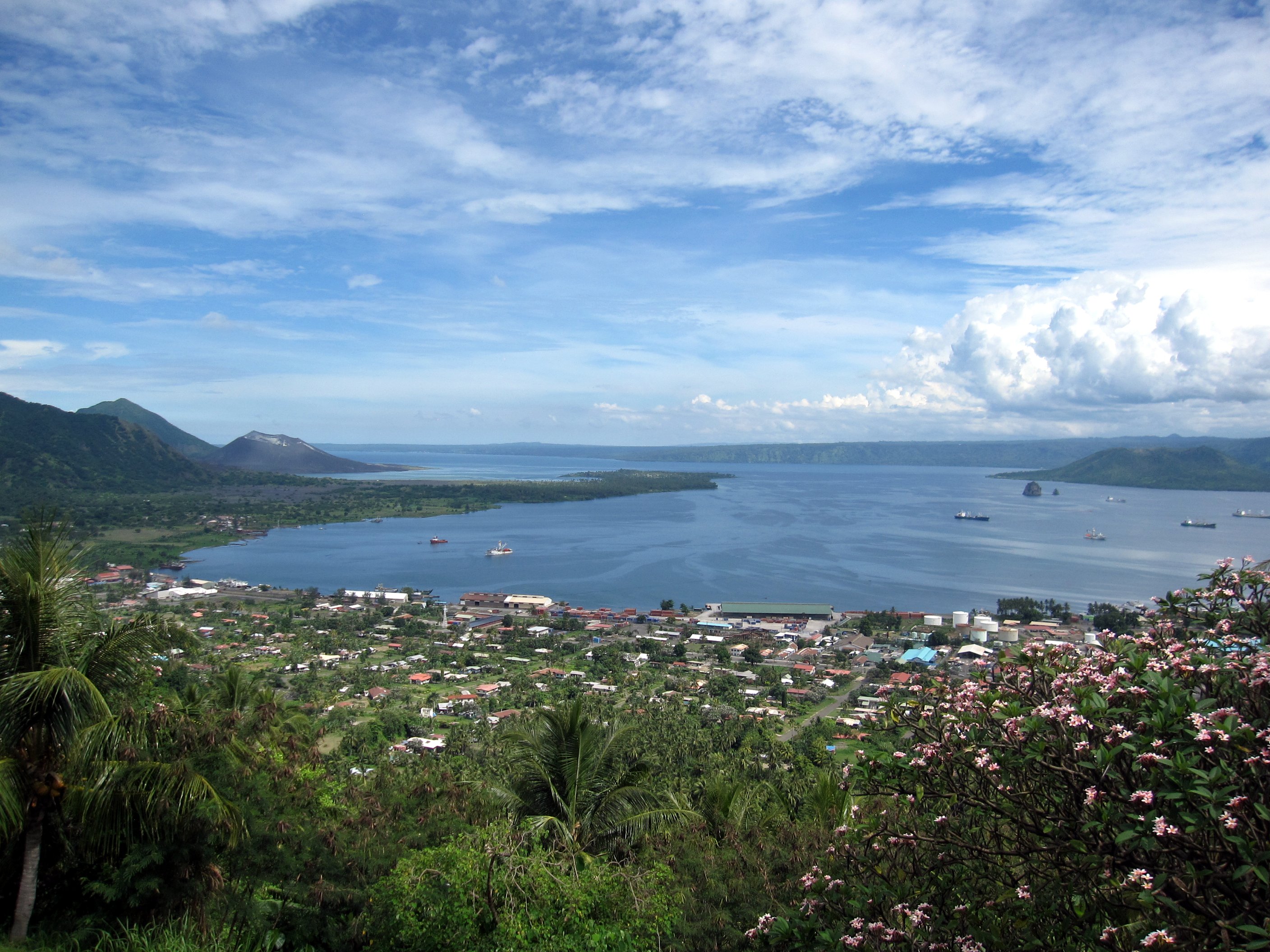
🌋 Rabaul Sacred Sites
Papua New Guinea
About This Sacred Site
Rabaul, situated within a large volcanic caldera on the island of New Britain, is a place of profound spiritual significance combining indigenous Tolai traditions with World War II memorial sites. The Tolai people have deep spiritual connections to the volcanic landscape, particularly the active Tavurvur volcano. The area also contains Japanese and Allied war tunnels, memorials, and cemeteries from the brutal WWII Pacific campaign. The 1994 eruption buried much of the old town, adding to the area's sacred and somber character.
History & Origins
The Rabaul Sacred Sites are located within the Rabaul caldera on New Britain island, an active volcanic area shaped by the eruption of Tavurvur in 1994. The Tolai people, indigenous to this region, trace their ancestral lineage and spiritual heritage to the volcanic landscape, which has been central to their culture for centuries. During World War II, Rabaul served as a major Japanese stronghold from 1942 to 1945, resulting in extensive military installations and battle sites that remain preserved as memorials. The 1940s additions to the sacred sites include remnants of Japanese bunkers and Allied airstrips, now integrated into the multi-faith cultural landscape. Post-war conservation efforts in the late 20th century aimed to protect both indigenous sacred spaces and wartime relics, with local Tolai leaders collaborating with government agencies. The site continues to witness traditional rituals alongside commemorations of World War II, marking it as both an ancient indigenous spiritual center and a modern historical memorial.
Spiritual Significance
The volcanic caldera holds profound spiritual significance for the Tolai people, who believe the active volcanoes are inhabited by ancestral spirits governing land fertility and protection. Traditional ceremonies, such as the Malagan funerary rites, are performed in designated areas to honor the deceased and connect with the spiritual realm surrounding the volcano. Pilgrims often visit specific caves and rock formations believed to be dwellings of ancestral spirits. The Tolai maintain oral traditions emphasizing the volcanoes as sacred guardians, with rituals involving offerings of food and shell money to appease these forces. The site also hosts annual remembrance events linked to the Pacific War, where prayers and hymns are sung to honor fallen soldiers across faiths. The blending of indigenous beliefs with Christian and wartime memorial practices demonstrates the site's complex theological importance, reflecting both ancestral veneration and historical remembrance.
Key Facts
- •Situated in an active volcanic caldera on New Britain island
- •The Tolai people have deep spiritual ties to the volcanic landscape
- •Contains extensive Japanese and Allied WWII tunnel systems and memorials
- •The town was largely buried by the 1994 volcanic eruption
- •Japanese war tunnels and memorial gardens draw thousands of visitors
Location
Coordinates: -4.1994, 152.1700
Frequently Asked Questions
What religion is Rabaul Sacred Sites associated with?▾
Rabaul Sacred Sites is a Multi-faith holy site located in Papua New Guinea. It was established Ancient (indigenous); 1940s (WWII memorials) and is ranked #922 in our global directory of sacred sites.
When was Rabaul Sacred Sites established?▾
Rabaul Sacred Sites dates back to Ancient (indigenous); 1940s (WWII memorials). Situated in an active volcanic caldera on New Britain island
How many people visit Rabaul Sacred Sites each year?▾
Rabaul Sacred Sites receives approximately 25,000 visitors per year. The Tolai people have deep spiritual ties to the volcanic landscape
What is Rabaul Sacred Sites known for?▾
Sacred volcanic landscapes and WWII memorial sites around Rabaul caldera. Visitors come seeking ancestral connection, peace, spiritual enlightenment. Contains extensive Japanese and Allied WWII tunnel systems and memorials
Related Holy Sites
Sacred places connected by country, religion, and purpose
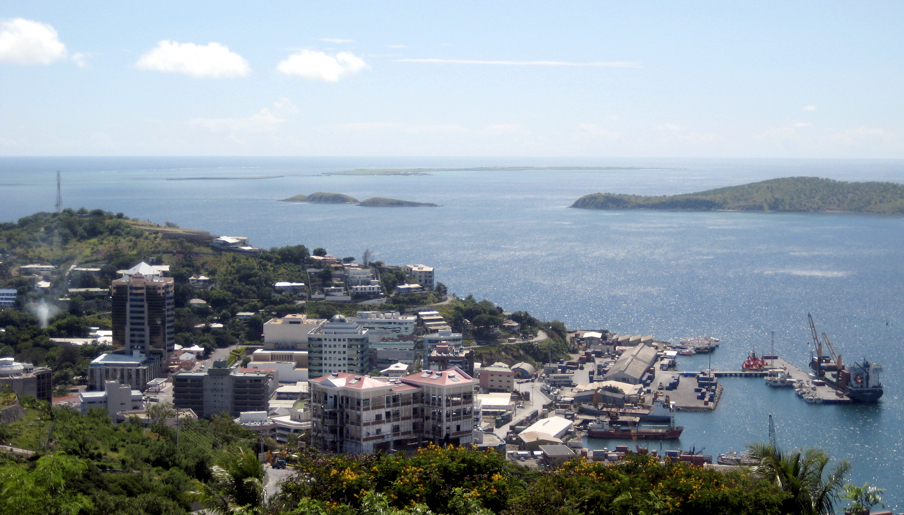
⛪Cathedral of the Sacred Heart, Port Moresby
The principal Catholic cathedral of Papua New Guinea's capital.

🏠Sepik River Spirit Houses
Towering ceremonial spirit houses (haus tambaran) of the Sepik River peoples.

🕌Temple Mount / Al-Aqsa (Jerusalem)
Sacred to Judaism, Christianity, and Islam — the most contested holy site on Earth.
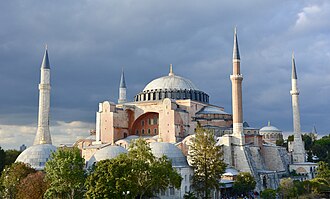
🏛️Hagia Sophia
A masterpiece that served as cathedral, mosque, and museum across centuries.
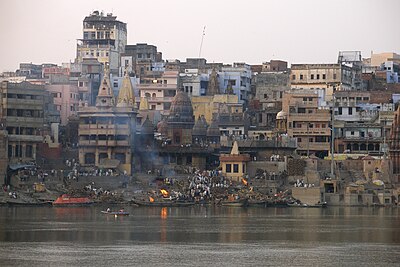
🙏Varanasi (Kashi Vishwanath Temple)
The holiest city in Hinduism, where the Ganges River purifies the soul.
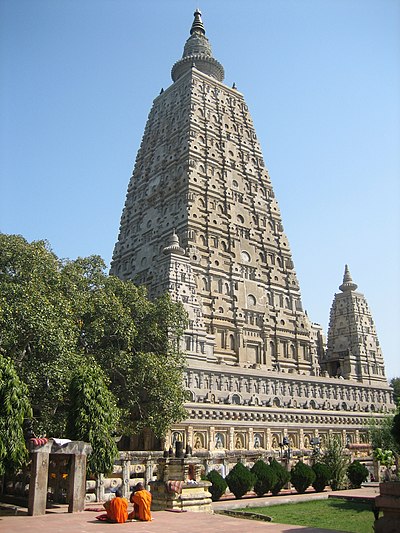
☸️Bodh Gaya (Mahabodhi Temple)
Where Siddhartha Gautama attained enlightenment and became the Buddha.

