⛲ Pura Tirta Gangga
Indonesia
About This Sacred Site
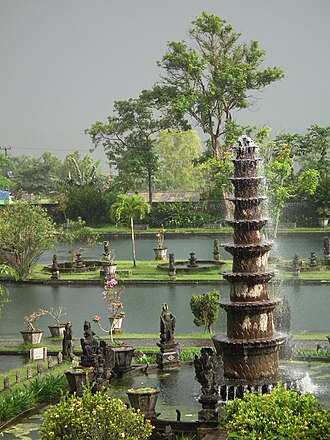
Tirta Gangga is a former royal water palace in eastern Bali built in 1946 by the King of Karangasem, Anak Agung Anglurah Ketut Karangasem. The name means 'water from the Ganges,' reflecting the Hindu belief in the purifying power of sacred water. The complex features tiered fountains, ornamental pools, stepping stones over fish-filled ponds, and lush tropical gardens spread across 1.2 hectares. The palace was severely damaged by the 1963 eruption of nearby Mount Agung but has been lovingly restored. The spring-fed pools remain a place for ritual purification as well as a serene retreat.
History & Origins
Pura Tirta Gangga was constructed in 1946 by the King of Karangasem, Anak Agung Anglurah Ketut Karangasem, who intended it as a royal water palace and spiritual retreat. The site is situated in eastern Bali and is named after the sacred Ganges River of India, symbolizing purity and sanctity. The palace complex features tiered water gardens, fountains, and pools fed by natural springs, embodying Balinese water engineering techniques. In 1963, the site suffered significant damage from the eruption of Mount Agung, leading to extensive restoration efforts in subsequent decades. The architecture combines Balinese Hindu temple styles with royal palace aesthetics, and the site remains under the stewardship of the Karangasem royal family. Its design integrates both spiritual and recreational functions, reflecting royal patronage of sacred water as a life-giving element.
Spiritual Significance
The name 'Tirta Gangga' literally means 'water from the Ganges,' invoking the sacred waters of Hinduism's holiest river, and the site is used for ritual purification ceremonies involving holy water. Devotees participate in Melukat, a Balinese cleansing ritual performed in the pools to purify the mind and body from spiritual impurities. The palace's water features symbolize the flow of divine blessings, essential to Balinese Hindu cosmology. Specific festivals, such as Piodalan, celebrate the temple's anniversary with offerings and prayers to Dewi Danu, the goddess of water. The site’s water is believed to possess healing properties, attracting pilgrims year-round. The integration of royal patronage and religious practice exemplifies the Balinese concept of Tri Hita Karana, the harmony between humans, nature, and the divine.
Key Facts
- •Built in 1946 by the King of Karangasem as a royal retreat
- •The name means 'water from the Ganges,' invoking the sacred Indian river
- •Damaged by the 1963 Mount Agung eruption and subsequently restored
- •Features tiered fountains, stepping-stone ponds, and sacred bathing pools
- •Fed by a natural spring considered holy by Balinese Hindus
Location
Coordinates: -8.4119, 115.5875
Frequently Asked Questions
What religion is Pura Tirta Gangga associated with?▾
Pura Tirta Gangga is a Hinduism holy site located in Indonesia. It was established 1946 CE and is ranked #846 in our global directory of sacred sites.
When was Pura Tirta Gangga established?▾
Pura Tirta Gangga dates back to 1946 CE. Built in 1946 by the King of Karangasem as a royal retreat
How many people visit Pura Tirta Gangga each year?▾
Pura Tirta Gangga receives approximately 300,000+ visitors per year. The name means 'water from the Ganges,' invoking the sacred Indian river
What is Pura Tirta Gangga known for?▾
A royal water palace with sacred pools, fountains, and lush gardens in eastern Bali. Visitors come seeking purification, peace, healing, blessings. Damaged by the 1963 Mount Agung eruption and subsequently restored
Related Holy Sites
Sacred places connected by country, religion, and purpose
🪷Borobudur
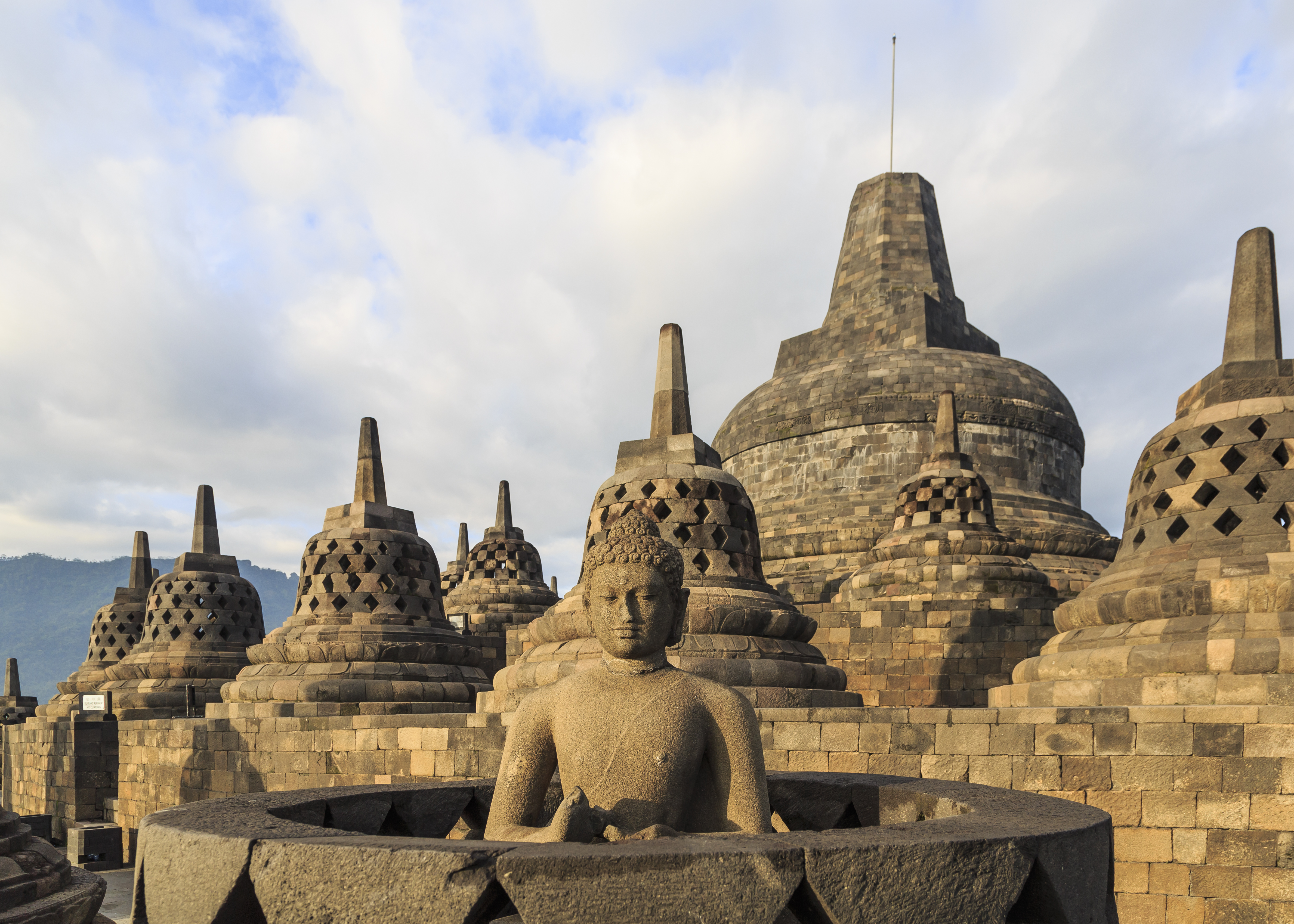
The world's largest Buddhist temple, with 2,672 relief panels.
🏔️Pura Besakih (Mother Temple of Bali)
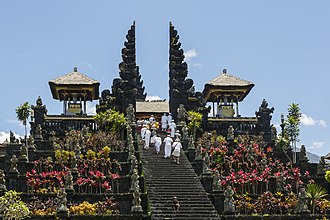
The holiest and largest Hindu temple complex in Bali, on the slopes of Mount Agung.
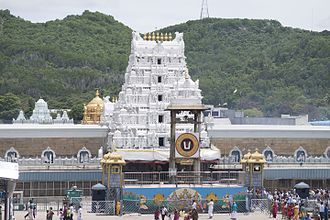
🛕Tirupati (Tirumala Venkateswara Temple)
The richest and most visited Hindu temple in the world.