⛪ Our Lady of Lebanon (Harissa)
Lebanon
About This Sacred Site
Our Lady of Lebanon at Harissa is one of the most important Christian pilgrimage sites in the Middle East. The shrine features a 15-ton white bronze statue of the Virgin Mary, arms outstretched, perched on a hilltop overlooking the Bay of Jounieh. Built in 1908, the statue is 8.5 meters tall and stands atop a chapel. A modern basilica was added in 1970, and both Maronite and Greek Melkite Catholic churches serve the site. Pilgrims of multiple faiths visit, making it a symbol of Lebanese coexistence.
Spiritual Significance
Erected in 1908 to commemorate the 50th anniversary of the Marian apparition at Lourdes, the bronze statue weighing 15 tons and standing 8.5 meters tall symbolizes the Virgin Mary's protective role over Lebanon's Christian communities. The site hosts annual pilgrimages during the Feast of the Assumption on August 15, attracting thousands who participate in processions and Rosary prayers, reflecting Catholic Marian devotion. The teleferique cable car connecting Harissa to Jounieh enhances pilgrim access, facilitating devotional practices that include candle lighting and confessions in the adjacent basilica. The statue's elevated position on the Harissa hilltop, overlooking the Mediterranean, embodies theological themes of intercession and divine guardianship found in Catholic doctrine. The sanctuary is a prominent locus for ecumenical gatherings and spiritual retreats, underscoring its significance in Lebanese Christian identity.
Key Facts
- •The bronze statue weighs 15 tons and stands 8.5 meters tall
- •Erected in 1908 to mark the 50th anniversary of a Marian apparition at Lourdes
- •A teleferique (cable car) connects it to Jounieh below
- •Visited by Christians and Muslims alike
- •The modern basilica was added in 1970
Location
Coordinates: 33.9853, 35.6425
Frequently Asked Questions
What religion is Our Lady of Lebanon (Harissa) associated with?▾
Our Lady of Lebanon (Harissa) is a Christianity holy site located in Lebanon. It was established 1908 and is ranked #662 in our global directory of sacred sites.
When was Our Lady of Lebanon (Harissa) established?▾
Our Lady of Lebanon (Harissa) dates back to 1908. The bronze statue weighs 15 tons and stands 8.5 meters tall
How many people visit Our Lady of Lebanon (Harissa) each year?▾
Our Lady of Lebanon (Harissa) receives approximately 2 million visitors per year. Erected in 1908 to mark the 50th anniversary of a Marian apparition at Lourdes
What is Our Lady of Lebanon (Harissa) known for?▾
A Marian shrine with a 15-ton bronze statue overlooking the Bay of Jounieh. Visitors come seeking blessings, protection, healing, peace. A teleferique (cable car) connects it to Jounieh below
Related Holy Sites
Sacred places connected by country, religion, and purpose
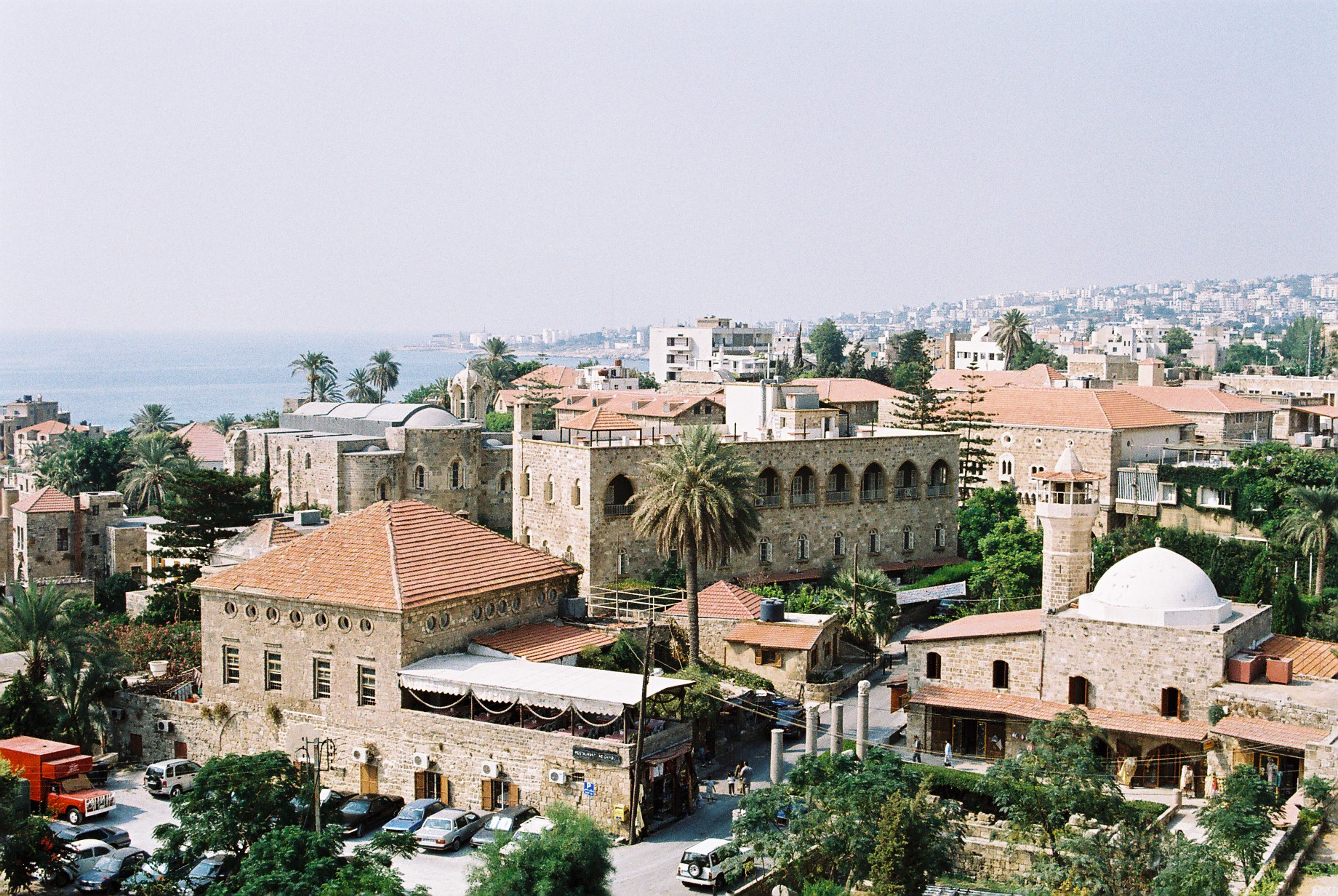
🏛️Byblos (Jbeil)
One of the oldest continuously inhabited cities, with Phoenician temples and a Crusader church.
⛪Vatican City (St. Peter's Basilica)
The spiritual center of Roman Catholicism and home of the Pope.
✝️Church of the Holy Sepulchre
The site where Jesus was crucified, buried, and resurrected.