⛪ Nyamata Church Genocide Memorial
Rwanda
About This Sacred Site
The Nyamata Church in Bugesera district is one of the most powerful genocide memorial sites in Rwanda. During the 1994 genocide against the Tutsi, approximately 10,000 people who sought sanctuary in the church were massacred. The church has been preserved as a memorial, with victims' clothing and remains displayed as testimony. The site has become a place of profound spiritual reflection, grief, and the struggle for reconciliation. It stands as a reminder of the failure of sanctuary and the resilience of faith.
Spiritual Significance
Preserved exactly as it was after the April 1994 genocide, Nyamata Church Genocide Memorial stands as a somber testament where approximately 10,000 Tutsi were massacred. The church’s interior displays victims’ clothing, bones, and smashed objects, serving as material witnesses to the atrocity and a place for spiritual mourning and reconciliation. Annual commemoration ceremonies involve prayers led by clergy from the Catholic Diocese of Kigali, invoking forgiveness and unity as taught in Christian doctrines of reconciliation, notably the Lord's Prayer and teachings of Pope John Paul II on peace. The memorial site encourages pilgrimages that include silent reflection and candle lighting, practices intended to honor the dead and promote healing within Rwandan society.
Key Facts
- •Approximately 10,000 Tutsi were killed in and around the church in April 1994
- •The church has been preserved exactly as it was found after the massacre
- •Victims' clothing is displayed on the pews as a memorial
- •An underground crypt contains the remains of victims
- •The site draws visitors from around the world seeking to understand and prevent genocide
Location
Coordinates: -2.2822, 30.0931
Frequently Asked Questions
What religion is Nyamata Church Genocide Memorial associated with?▾
Nyamata Church Genocide Memorial is a Christianity holy site located in Rwanda. It was established 1994 (as memorial) and is ranked #912 in our global directory of sacred sites.
When was Nyamata Church Genocide Memorial established?▾
Nyamata Church Genocide Memorial dates back to 1994 (as memorial). Approximately 10,000 Tutsi were killed in and around the church in April 1994
How many people visit Nyamata Church Genocide Memorial each year?▾
Nyamata Church Genocide Memorial receives approximately 100,000+ visitors per year. The church has been preserved exactly as it was found after the massacre
What is Nyamata Church Genocide Memorial known for?▾
A Catholic church that became a massacre site during the 1994 genocide, now a sacred memorial. Visitors come seeking forgiveness, peace, healing, ancestral connection. Victims' clothing is displayed on the pews as a memorial
Related Holy Sites
Sacred places connected by country, religion, and purpose

⛪Vatican City (St. Peter's Basilica)
The spiritual center of Roman Catholicism and home of the Pope.
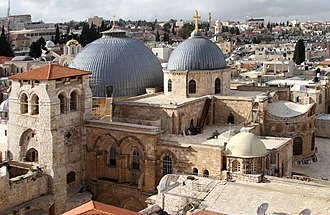
✝️Church of the Holy Sepulchre
The site where Jesus was crucified, buried, and resurrected.