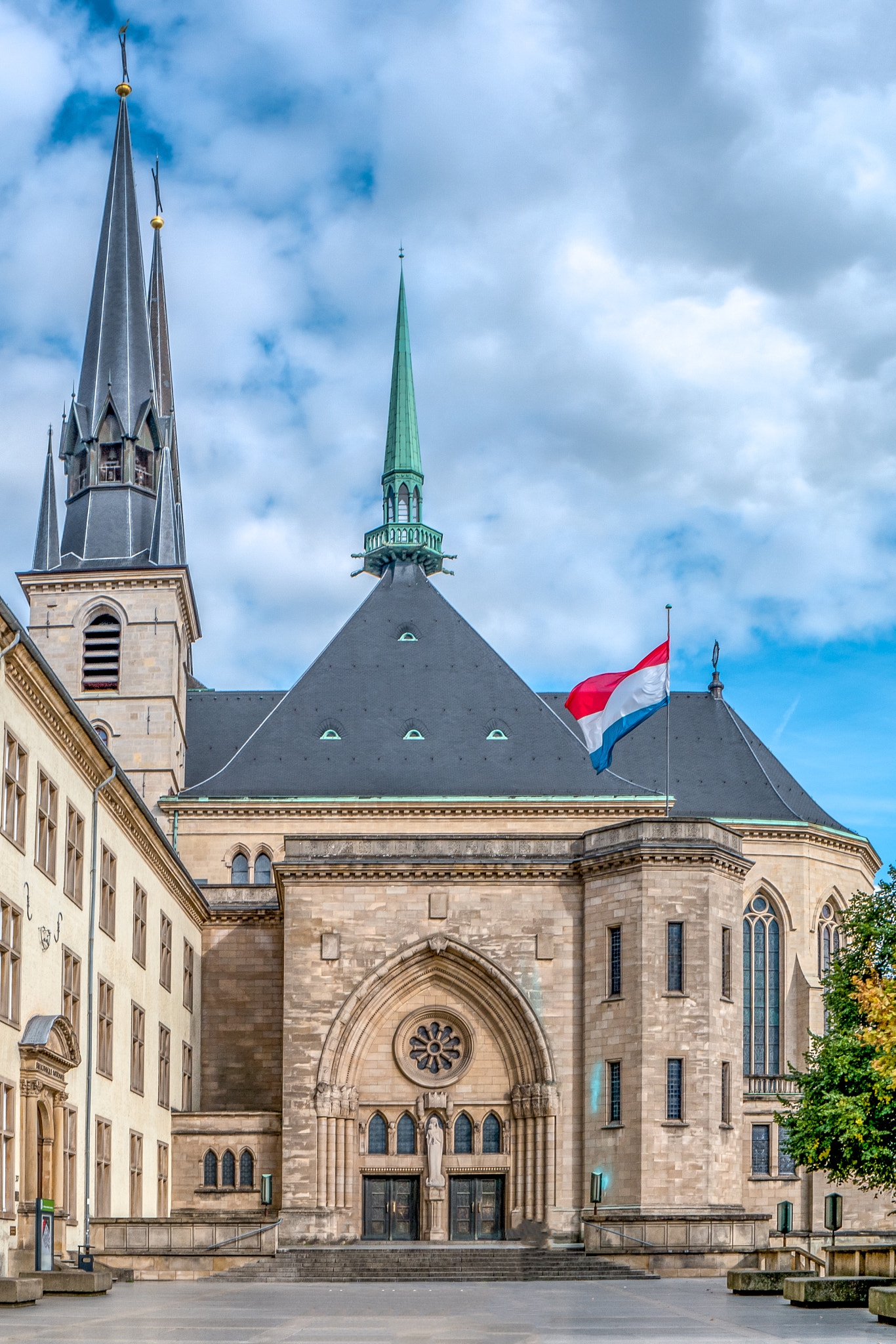
⛪ Notre-Dame Cathedral, Luxembourg City
Luxembourg
About This Sacred Site
The Cathedral of Notre-Dame in Luxembourg City was built by Jesuits between 1613 and 1621 and is the country's most important church. It houses the venerated image of the 'Consoler of the Afflicted' (Consolatrix Afflictorum), Luxembourg's patron saint, whose feast is celebrated during the Octave, the country's largest religious festival. The cathedral blends late Gothic and Renaissance elements, with three towers and a Baroque organ gallery. The crypt contains the tombs of members of the Grand Ducal family.
Spiritual Significance
Constructed between 1613 and 1621 by Jesuit architects, the cathedral houses the image of the 'Consoler of the Afflicted,' Luxembourg's national patron, central to annual pilgrimages such as the Octave, which attracts hundreds of thousands. The Octave pilgrimage, held over eight days following August 15th, includes daily masses, the recitation of the Litany of Loreto, and processions venerating the Marian statue. Jesuit influence is evident in the cathedral’s baroque design, intended to inspire Counter-Reformation devotion through sensory engagement. The cathedral’s role as a spiritual hub is further emphasized by its hosting of the Chrism Mass during Holy Week, where sacred oils are blessed for diocesan use. Its crypt contains relics of Saint Willibrord, linking the site to early Christian missionary activity in the region. The cathedral’s organ, installed in the 20th century, supports Gregorian chant during liturgies, preserving ancient musical traditions integral to Roman Catholic worship.
Key Facts
- •Built by Jesuits between 1613 and 1621
- •Houses the image of the 'Consoler of the Afflicted,' national patron
- •The Octave pilgrimage draws hundreds of thousands annually
- •Blends late Gothic architecture with Renaissance elements
- •The crypt contains tombs of Grand Ducal family members
Location
Coordinates: 49.6094, 6.1314
Frequently Asked Questions
What religion is Notre-Dame Cathedral, Luxembourg City associated with?▾
Notre-Dame Cathedral, Luxembourg City is a Christianity holy site located in Luxembourg. It was established 1621 and is ranked #538 in our global directory of sacred sites.
When was Notre-Dame Cathedral, Luxembourg City established?▾
Notre-Dame Cathedral, Luxembourg City dates back to 1621. Built by Jesuits between 1613 and 1621
How many people visit Notre-Dame Cathedral, Luxembourg City each year?▾
Notre-Dame Cathedral, Luxembourg City receives approximately 500,000 visitors per year. Houses the image of the 'Consoler of the Afflicted,' national patron
What is Notre-Dame Cathedral, Luxembourg City known for?▾
Luxembourg's principal cathedral, home to the revered 'Consoler of the Afflicted' icon. Visitors come seeking blessings, pilgrimage, spiritual enlightenment. The Octave pilgrimage draws hundreds of thousands annually
Related Holy Sites
Sacred places connected by country, religion, and purpose
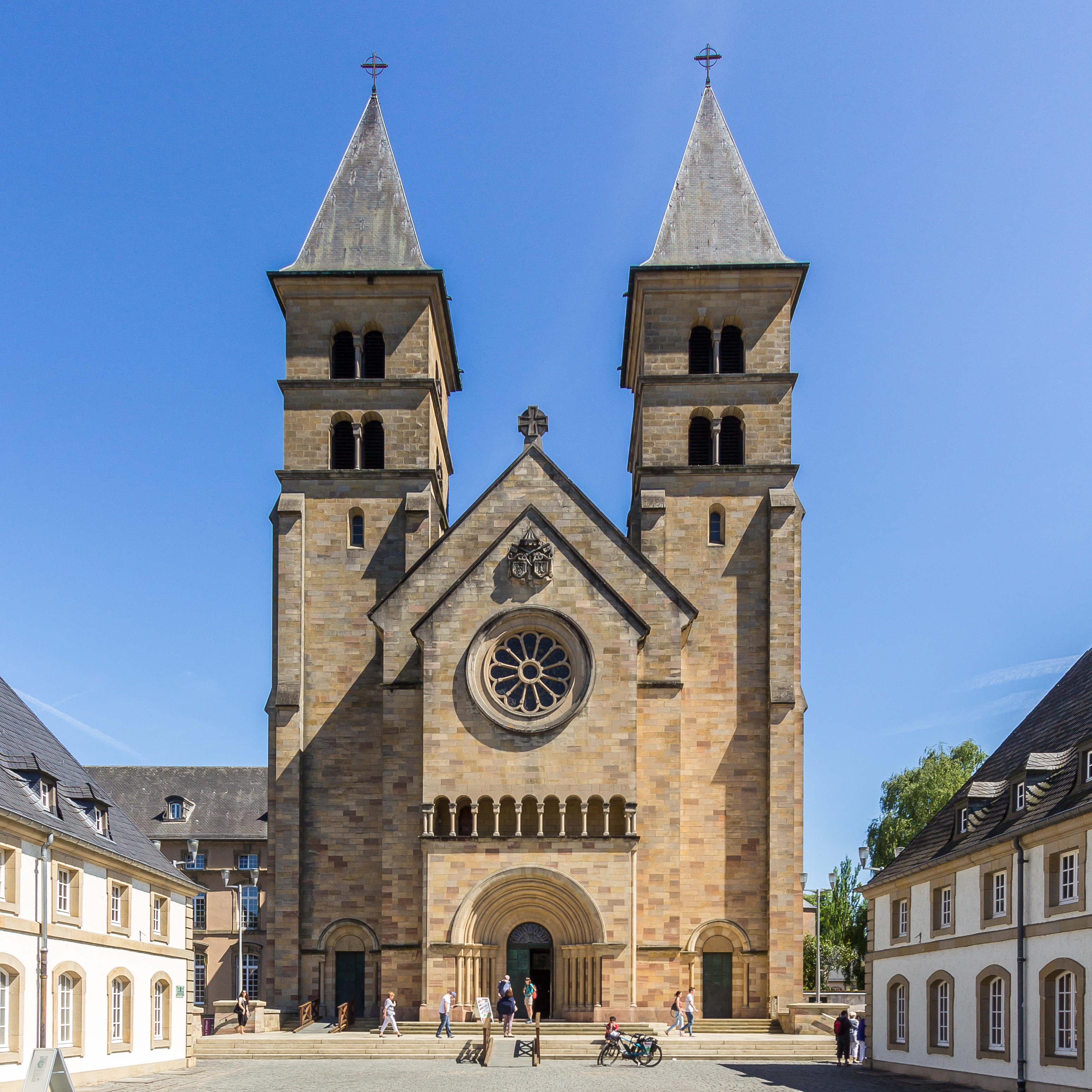
⛪Echternach Basilica
The basilica of Luxembourg's oldest city, famous for its ancient dancing procession on Whit Tuesday.
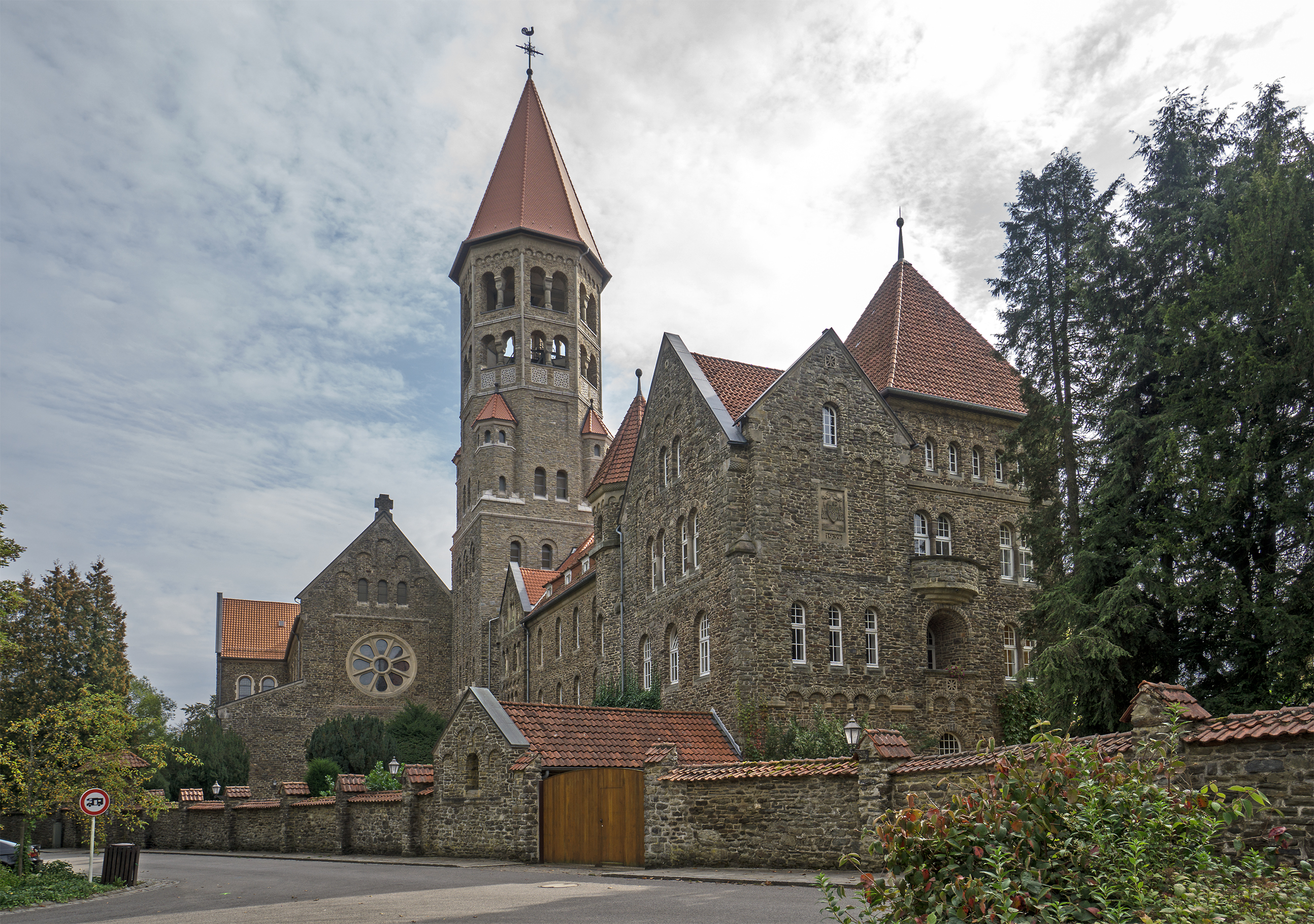
🙏Clervaux Abbey
A Benedictine abbey in northern Luxembourg known for Gregorian chant.
⛪Vatican City (St. Peter's Basilica)
The spiritual center of Roman Catholicism and home of the Pope.
✝️Church of the Holy Sepulchre
The site where Jesus was crucified, buried, and resurrected.