🎗️ Basilica of Nosso Senhor do Bonfim (Salvador)
Brazil
About This Sacred Site
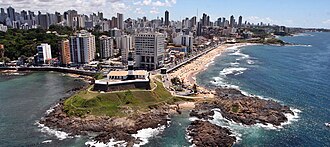
The Basilica of Nosso Senhor do Bonfim (Our Lord of Good Ending) is the most iconic church in Salvador, Bahia, and a remarkable example of religious syncretism between Catholicism and Afro-Brazilian Candomblé. Built in 1772, the church is dedicated to Christ but is also associated with Oxalá, the most important orixá (deity) in Candomblé, the Afro-Brazilian religion brought by enslaved West Africans. The famous Fita do Bonfim (wish ribbons) tied around the church fence are believed to grant wishes when they naturally fall off. The annual Lavagem do Bonfim ceremony, where women in traditional Bahiana dress wash the church steps, is one of Salvador's largest festivals, blending Catholic and African spiritual traditions in a uniquely Brazilian celebration.
History & Origins
Founded in 1772 by Portuguese Jesuit priests, the Basilica of Nosso Senhor do Bonfim in Salvador was constructed on the site of a chapel dedicated to Jesus Christ the Savior. The church underwent significant renovations in the 19th century to accommodate increasing pilgrim numbers. Its whitewashed façade and twin bell towers exemplify colonial Brazilian ecclesiastical architecture. The annual Festa do Bonfim, established in the 18th century, culminates in a mass that draws thousands of devotees. The basilica's location in the Bonfim neighborhood connects it to Afro-Brazilian cultural practices. Restoration efforts in the 1990s focused on preserving the original azulejos and baroque altarpieces. The church was elevated to basilica status by Pope Pius XII in 1946, affirming its importance within the Catholic Church in Brazil. Its proximity to the Dique do Tororó lake offers a scenic pilgrimage route.
Spiritual Significance
The basilica uniquely syncretizes Catholic worship with Candomblé, particularly honoring Oxalá, the orixá associated with peace and creation, blending African and Christian traditions. Devotees tie Fita do Bonfim ribbons to the church's fence, with the belief that wishes made upon tying them come true when the ribbons naturally fall off. The annual Festa do Bonfim features a ceremonial washing of the church steps with scented water by Candomblé priests and Catholic faithful, symbolizing purification and blessing. Pilgrims engage in novenas and attend masses dedicated to Nosso Senhor do Bonfim, invoking miracles and protection. The church's liturgical calendar includes celebrations of saints revered in both religions, reflecting theological dialogue. This fusion of rituals exemplifies Brazil's religious pluralism and the basilica's role as a multi-faith sacred site.
Key Facts
- •The church syncretizes Catholic worship with the Candomblé orixá Oxalá
- •Fita do Bonfim wish ribbons are tied to the fence — wishes come true when they naturally fall
- •The annual Lavagem do Bonfim ceremony draws up to 1 million people
- •Built in 1772 with the rococo style typical of colonial Bahia
- •A 'Room of Miracles' displays thousands of ex-voto offerings from healed devotees
Location
Coordinates: -12.9225, -38.5086
Frequently Asked Questions
What religion is Basilica of Nosso Senhor do Bonfim (Salvador) associated with?▾
Basilica of Nosso Senhor do Bonfim (Salvador) is a Multi-faith holy site located in Brazil. It was established 1772 and is ranked #398 in our global directory of sacred sites.
When was Basilica of Nosso Senhor do Bonfim (Salvador) established?▾
Basilica of Nosso Senhor do Bonfim (Salvador) dates back to 1772. The church syncretizes Catholic worship with the Candomblé orixá Oxalá
How many people visit Basilica of Nosso Senhor do Bonfim (Salvador) each year?▾
Basilica of Nosso Senhor do Bonfim (Salvador) receives approximately 1+ million visitors per year. Fita do Bonfim wish ribbons are tied to the fence — wishes come true when they naturally fall
What is Basilica of Nosso Senhor do Bonfim (Salvador) known for?▾
Salvador's most important church, where Catholic and Candomblé traditions merge. Visitors come seeking healing, miracles, protection, blessings. The annual Lavagem do Bonfim ceremony draws up to 1 million people
Related Holy Sites
Sacred places connected by country, religion, and purpose
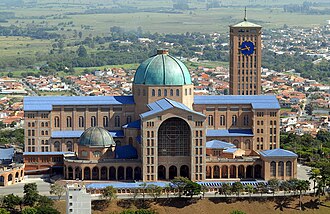
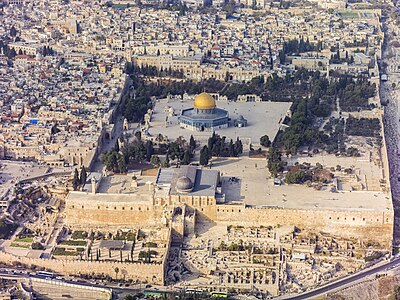
🕌Temple Mount / Al-Aqsa (Jerusalem)
Sacred to Judaism, Christianity, and Islam — the most contested holy site on Earth.
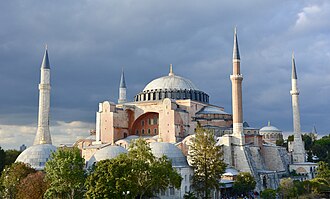
🏛️Hagia Sophia
A masterpiece that served as cathedral, mosque, and museum across centuries.