
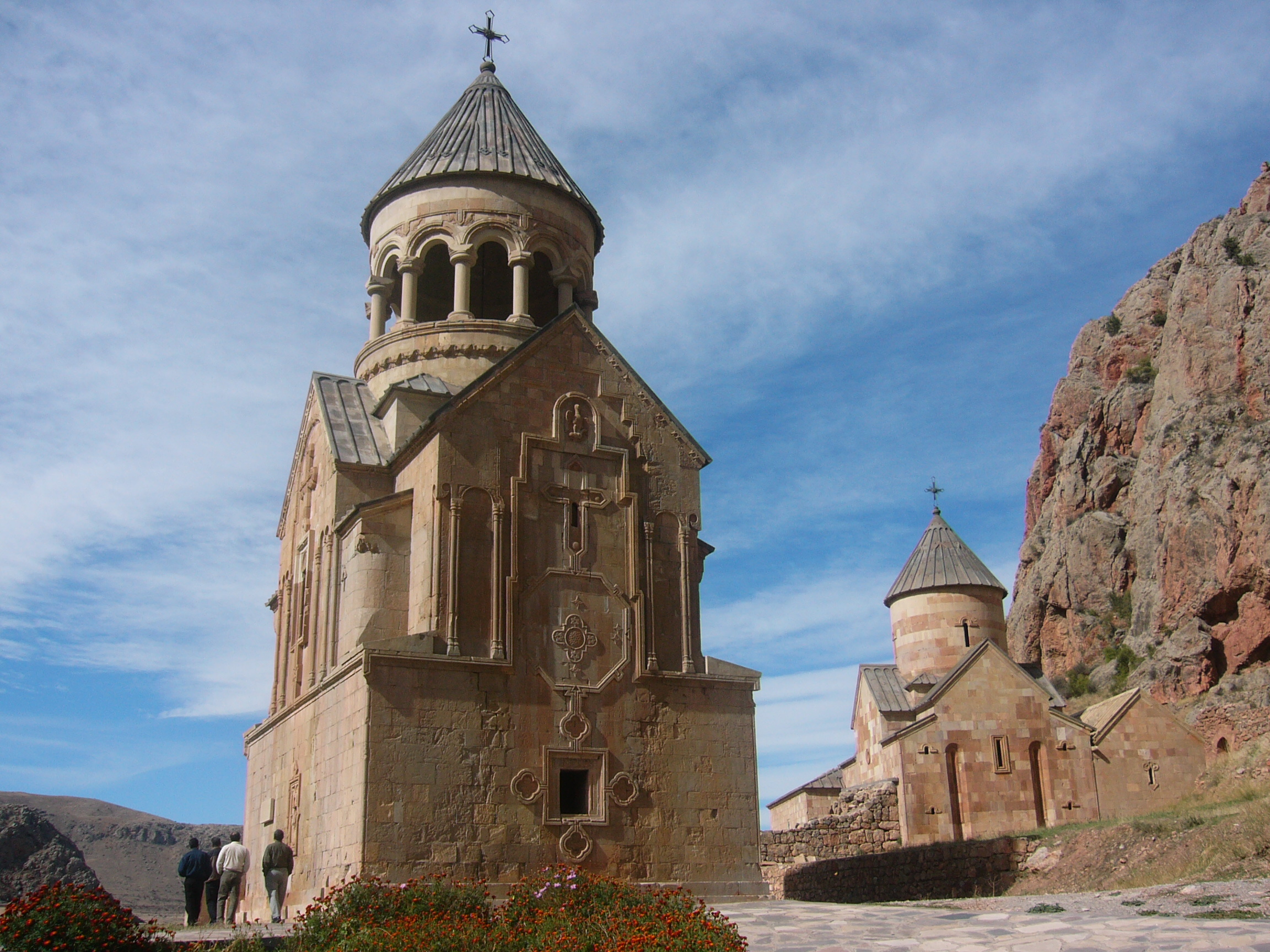
⛪ Noravank Monastery
Armenia
About This Sacred Site
Noravank Monastery, founded in 1205 CE, is a striking Armenian Apostolic Church complex nestled in a narrow gorge surrounded by vivid red cliffs in southern Armenia’s Vayots Dzor Province. Renowned for its intricate stone carvings, especially the ornate Surb Astvatsatsin Church with its remarkable high-relief sculptures, the monastery served as a major religious and cultural center during medieval times.
History & Origins
Noravank was established in 1205 by Bishop Hovhannes, becoming a prominent religious and educational center in medieval Armenia. Throughout the 13th and 14th centuries, it flourished under the patronage of the Orbelian noble family, who funded expansions and artistic embellishments. The monastery is famous for the work of the architect and sculptor Momik, who designed the Surb Astvatsatsin Church and created intricate khachkars (cross-stones) and reliefs. Despite suffering damage during invasions and earthquakes, Noravank remained an important spiritual site. It experienced decline under Ottoman and Persian rule but was restored in the 20th century, now serving as both a pilgrimage site and a monument to Armenian religious art and architecture.
Spiritual Significance
Established in 1205 CE by the Armenian architect and bishop Momik, the monastery serves as a prominent pilgrimage site due to its association with the Surb Astvatsatsin church, which features cantilevered stairs believed to symbolize the ascent to divine knowledge. Annually, the site hosts the Vardavar festival, where pilgrims perform water blessings in the nearby Amaghu River, a practice rooted in ancient Armenian Christian traditions documented in the 5th-century Armenian Apostolic Church manuscripts. Noravank's theological importance is highlighted by its role as a religious school in the 13th century, where scholars studied the Gospels according to the Armenian Apostolic canon. The monastery's khachkars (carved cross-stones), many crafted by Momik himself, are integral to ritual commemorations of saints and martyrs celebrated on the Armenian Church calendar, especially during the feast of the Holy Cross on September 14. Pilgrims often recite prayers from the Book of Lamentations by Gregory of Narek, a 10th-century Armenian mystic, within the monastery's richly decorated chapels. The complex also functioned as a burial site for local princes, linking it to the spiritual doctrine of intercessory prayer for the dead, a practice emphasized in the liturgical cycles observed at this location.
Key Facts
- •Set in a dramatic red rock gorge in southern Armenia
- •The Surb Astvatsatsin church features remarkable cantilevered stairs
- •Contains works by the renowned medieval sculptor Momik
- •Served as the seat of the bishops of Syunik
- •The gorge's red cliff walls create a stunning natural setting
Location
Coordinates: 39.6842, 45.2333
Frequently Asked Questions
What religion is Noravank Monastery associated with?▾
Noravank Monastery is a Christianity holy site located in Armenia. It was established 1205 CE and is ranked #692 in our global directory of sacred sites.
When was Noravank Monastery established?▾
Noravank Monastery dates back to 1205 CE. Set in a dramatic red rock gorge in southern Armenia
How many people visit Noravank Monastery each year?▾
Noravank Monastery receives approximately 300,000 visitors per year. The Surb Astvatsatsin church features remarkable cantilevered stairs
What is Noravank Monastery known for?▾
A 13th-century monastery in a dramatic red rock gorge, a masterpiece of Armenian architecture. Visitors come seeking spiritual enlightenment, peace, meditation, blessings. Contains works by the renowned medieval sculptor Momik
Related Holy Sites
Sacred places connected by country, religion, and purpose
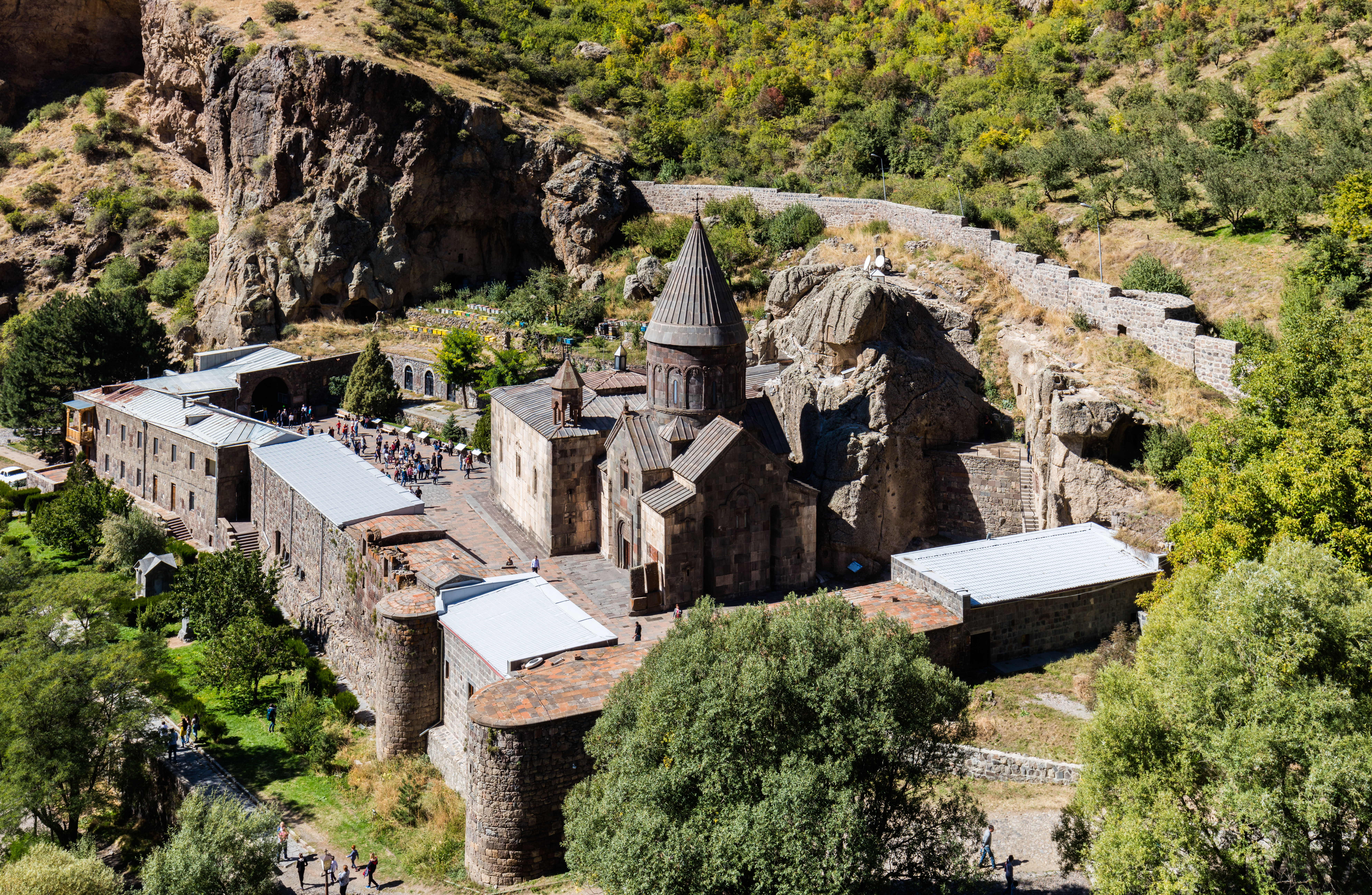
⛪Geghard Monastery
A UNESCO-listed medieval monastery partially carved into a cliff, with remarkable acoustics.
⛪Vatican City (St. Peter's Basilica)
The spiritual center of Roman Catholicism and home of the Pope.
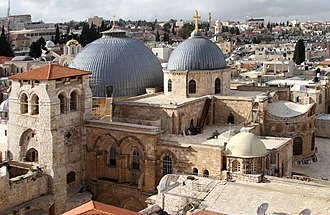
✝️Church of the Holy Sepulchre
The site where Jesus was crucified, buried, and resurrected.
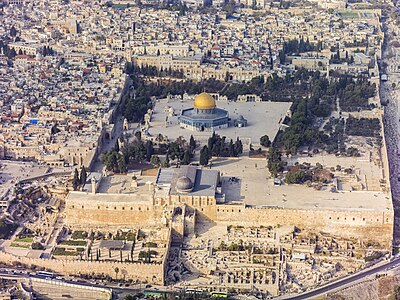
🕌Temple Mount / Al-Aqsa (Jerusalem)
Sacred to Judaism, Christianity, and Islam — the most contested holy site on Earth.
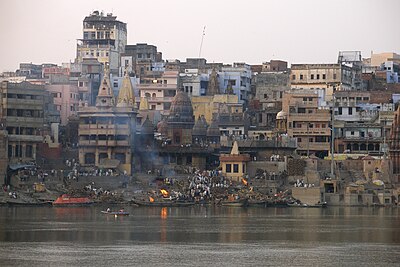
🙏Varanasi (Kashi Vishwanath Temple)
The holiest city in Hinduism, where the Ganges River purifies the soul.

