🕍 Neveh Shalom Synagogue Paramaribo
Suriname
About This Sacred Site
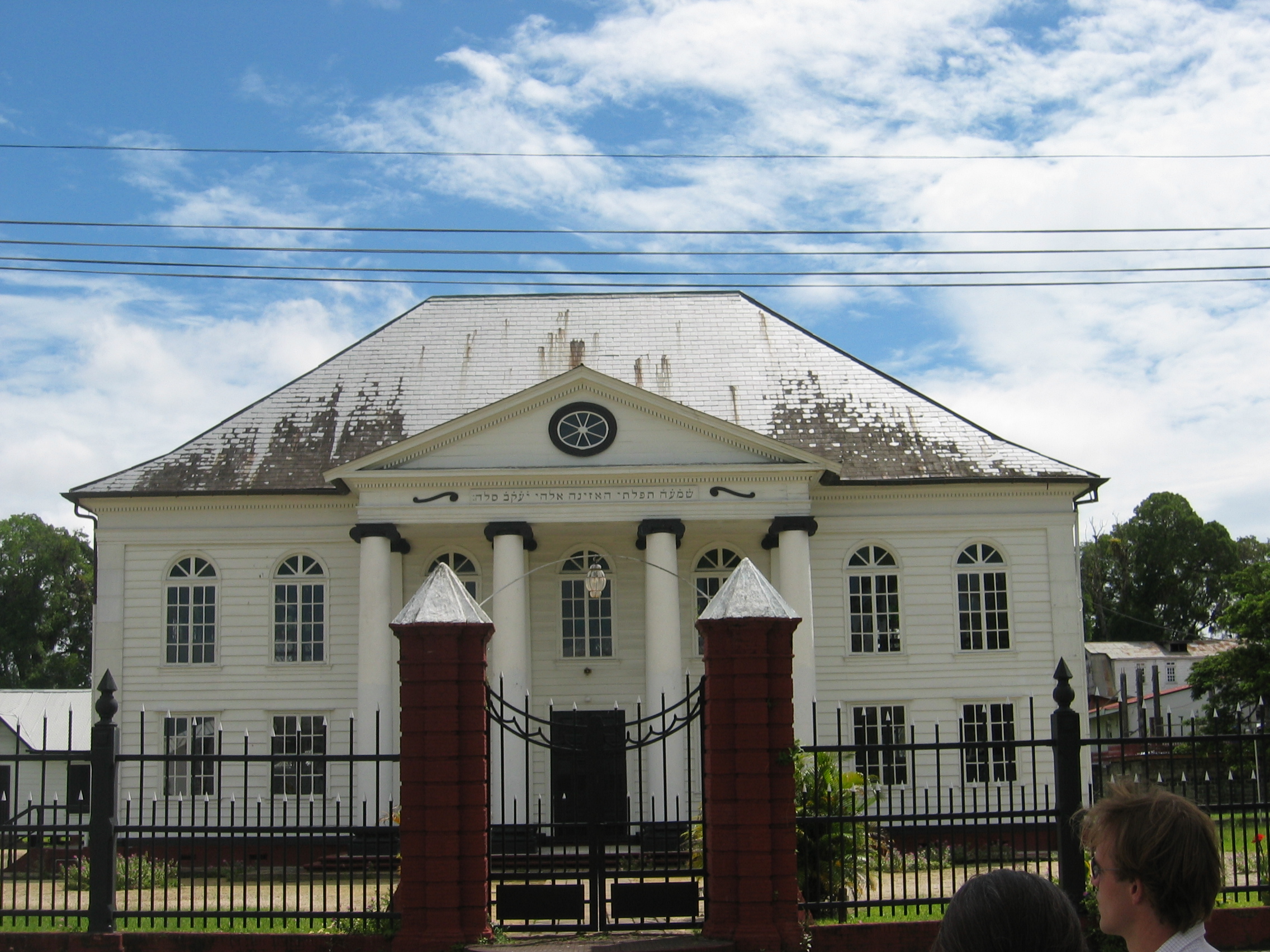
The Neveh Shalom Synagogue in Paramaribo, Suriname, founded in 1723, is one of the oldest synagogues in the Americas. It is renowned for its unique coexistence with the adjacent Mosque Keizerstraat, symbolizing religious tolerance. The synagogue features colonial architecture with a serene interior space used for Jewish worship and community events. As a center for Suriname’s Sephardic Jewish community, it preserves religious traditions while representing the multicultural fabric of Paramaribo.
History & Origins
Neveh Shalom Synagogue in Paramaribo, Suriname, was established in 1723 by Sephardic Jewish settlers fleeing persecution in Europe. Constructed initially from wood and later renovated with brick in the 19th century, the synagogue underwent significant restoration in 1960 to preserve its colonial Dutch architectural style featuring a gabled roof and arched windows. It stands adjacent to the mosque Keizerstraat, a fact dating back to the mid-18th century when Jewish and Muslim communities coexisted in close proximity. The synagogue survived multiple fires and floods that affected Paramaribo, notably the 1832 flood. It holds a rare sand-covered floor, an ancient Sephardic tradition symbolizing the desert wandering, retained through centuries of worship. The site has been a focal point for Suriname's Jewish community through the 18th and 19th centuries, hosting prominent rabbis such as Rabbi Isaac Aboab, who led the congregation in the early 1700s.
Spiritual Significance
The synagogue serves as a center for Sephardic Jewish religious life, hosting Shabbat services every Friday evening and Saturday morning, with prayers conducted from the 18th-century Torah scrolls preserved on-site. During Passover, the community performs the traditional Seder, emphasizing liberation themes found in the Book of Exodus. The sand-covered floor recalls the Israelites' 40 years in the desert, symbolizing humility and endurance, a practice rooted in Kabbalistic customs. The adjacency to the mosque Keizerstraat has fostered interfaith dialogue and joint community prayers, spotlighted during the annual Peace Festival commemorating Suriname's multicultural heritage. Pilgrims visiting the synagogue often study the Talmudic teachings of Rabbi Moses Maimonides, whose works have been influential in the congregation's religious education. The synagogue also celebrates Jewish holidays such as Sukkot with the building of ritual booths on its grounds, integrating local Surinamese flora.
Key Facts
- •One of the oldest synagogues in the Americas, with origins in the 17th century
- •Stands directly next to a mosque, a famous symbol of interfaith harmony
- •Sand on the floor follows Sephardic tradition, symbolizing the desert wanderings
- •Jodensavanne (Jewish Savannah) was a unique Jewish agricultural settlement founded in 1639
- •Suriname's Jewish community was once one of the largest in the Americas relative to population
Location
Coordinates: 5.8300, -55.1667
Frequently Asked Questions
What religion is Neveh Shalom Synagogue Paramaribo associated with?▾
Neveh Shalom Synagogue Paramaribo is a Judaism holy site located in Suriname. It was established 1723 and is ranked #731 in our global directory of sacred sites.
When was Neveh Shalom Synagogue Paramaribo established?▾
Neveh Shalom Synagogue Paramaribo dates back to 1723. One of the oldest synagogues in the Americas, with origins in the 17th century
How many people visit Neveh Shalom Synagogue Paramaribo each year?▾
Neveh Shalom Synagogue Paramaribo receives approximately 15,000 visitors per year. Stands directly next to a mosque, a famous symbol of interfaith harmony
What is Neveh Shalom Synagogue Paramaribo known for?▾
A historic synagogue in Paramaribo standing next to a mosque, symbolizing Suriname's religious harmony. Visitors come seeking peace, ancestral connection, guidance. Sand on the floor follows Sephardic tradition, symbolizing the desert wanderings
Related Holy Sites
Sacred places connected by country, religion, and purpose

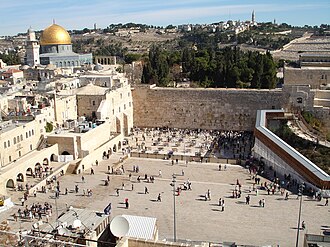
🕎Western Wall (Kotel)
The holiest place where Jews can pray, remnant of the Second Temple.
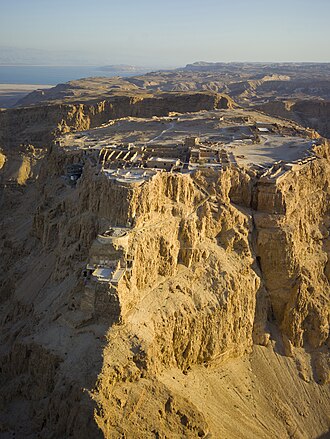
🏰Masada
A clifftop fortress where Jewish zealots made their last stand against Rome in 73 CE.