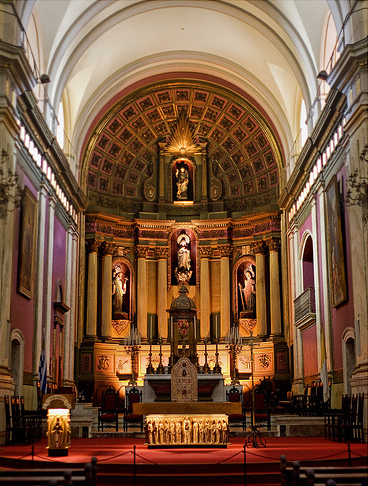
⛪ Montevideo Metropolitan Cathedral
Uruguay
About This Sacred Site
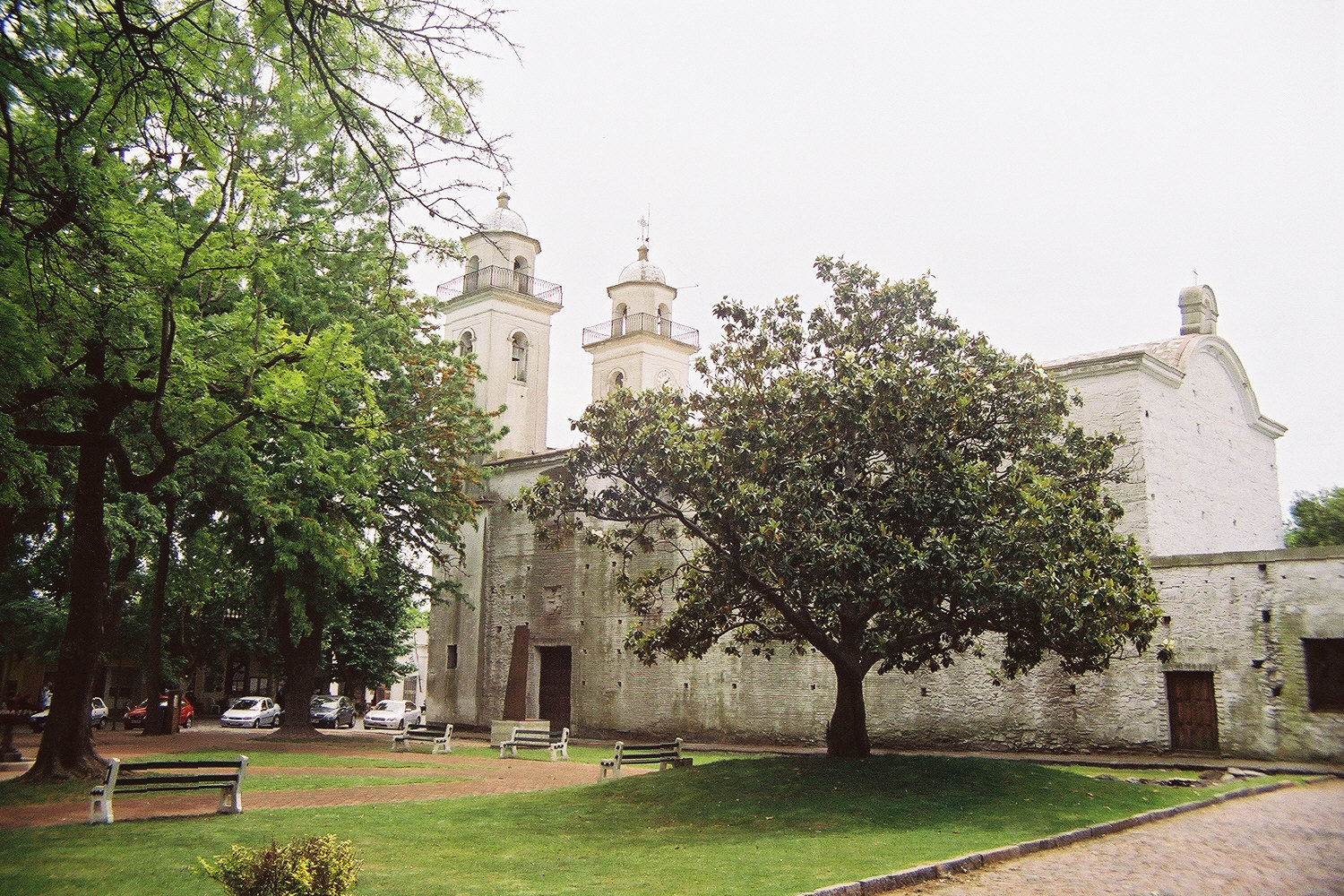
The Metropolitan Cathedral of Montevideo, officially the Church of the Immaculate Conception and Saints Philip and James, is the principal Catholic church of Uruguay. Completed in 1804, it is one of the oldest buildings in Montevideo. The Neoclassical cathedral faces the Plaza Constitución (Plaza Matriz) in the Ciudad Vieja. Uruguay is one of the most secular countries in Latin America, and the cathedral reflects the complex relationship between church and state in a nation that separated them in 1917.
Spiritual Significance
Completed in 1804, this cathedral is one of Montevideo's oldest religious buildings, located facing Plaza Constitución in Ciudad Vieja. Despite Uruguay's 1917 constitutional separation of church and state, it remains a central site for Roman Catholic worship in the capital. The cathedral hosts the Feast of Corpus Christi with solemn processions following the liturgical calendar prescribed in the Roman Missal, emphasizing the real presence of Christ in the Eucharist. Its neoclassical architecture, including Corinthian columns and a pedimented façade, frames liturgical celebrations that blend Spanish colonial traditions with local practices. The cathedral offers regular masses in Spanish and serves as the seat of the Archdiocese of Montevideo, where archbishops promote doctrines aligned with Vatican II reforms, including increased lay participation and social justice advocacy.
Key Facts
- •Completed in 1804, one of the oldest buildings in Montevideo
- •Faces the historic Plaza Constitución in Ciudad Vieja
- •Uruguay officially separated church and state in 1917
- •Uruguay is one of the most secular countries in Latin America
- •The Neoclassical facade features Corinthian columns
Location
Coordinates: -34.9056, -56.2006
Frequently Asked Questions
What religion is Montevideo Metropolitan Cathedral associated with?▾
Montevideo Metropolitan Cathedral is a Christianity holy site located in Uruguay. It was established 1804 and is ranked #705 in our global directory of sacred sites.
When was Montevideo Metropolitan Cathedral established?▾
Montevideo Metropolitan Cathedral dates back to 1804. Completed in 1804, one of the oldest buildings in Montevideo
How many people visit Montevideo Metropolitan Cathedral each year?▾
Montevideo Metropolitan Cathedral receives approximately 150,000 visitors per year. Faces the historic Plaza Constitución in Ciudad Vieja
What is Montevideo Metropolitan Cathedral known for?▾
The principal Catholic church of Uruguay, facing the historic Plaza Constitución. Visitors come seeking blessings, pilgrimage, peace. Uruguay officially separated church and state in 1917
Related Holy Sites
Sacred places connected by country, religion, and purpose

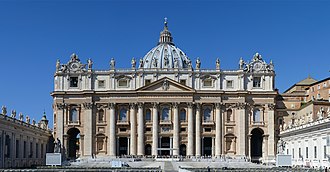
⛪Vatican City (St. Peter's Basilica)
The spiritual center of Roman Catholicism and home of the Pope.
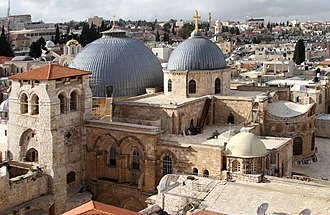
✝️Church of the Holy Sepulchre
The site where Jesus was crucified, buried, and resurrected.