⛪ Mainz Cathedral
Germany
About This Sacred Site
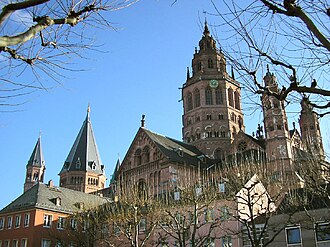
Mainz Cathedral (Mainzer Dom) is one of the three great Romanesque Imperial Cathedrals of the Rhine Valley, alongside Speyer and Worms. As the seat of the Archbishop of Mainz, who served as Primate of Germany and one of the seven Electors who chose the Holy Roman Emperor, it was one of the most politically powerful ecclesiastical centers in medieval Europe. The cathedral blends Romanesque, Gothic, and Baroque elements accumulated over nearly a thousand years. Its collection of medieval archbishops' tombs is one of the finest assemblages of monumental sculpture in Germany.
History & Origins
Mainz Cathedral, consecrated in 975 CE by Archbishop Willigis, is one of the Rhine Valley's three great Romanesque imperial cathedrals. It was built on the site of earlier churches, constructed with a blend of Romanesque, Gothic, and Baroque elements due to multiple reconstructions after fires. The cathedral served as the seat of the powerful Archbishop-Electors of Mainz, influential in Holy Roman Empire politics. Its treasury contains significant relics and medieval liturgical objects. The cathedral remains a central place of worship and a testament to Mainz's ecclesiastical heritage.
Spiritual Significance
Established in 975 CE, the cathedral served as the ecclesiastical seat of the Archbishop of Mainz, one of the seven Electors who held the exclusive privilege to elect the Holy Roman Emperor, underscoring its political and spiritual influence throughout medieval Europe. The first consecration occurred in 1009 CE, an event commemorated annually with a solemn Mass invoking Psalm 122, traditionally associated with pilgrimage to the house of the Lord. The cathedral hosts the Feast of St. Martin on November 11th, honoring its patron saint and reflecting the longstanding veneration of Martin of Tours in the region. Pilgrims historically engaged in the ritual procession around the cathedral’s perimeter, believed to confer protection and indulgences as decreed by papal bulls linked to the site. The repeated reconstructions following devastating fires, notably in 1081 and 1160, incorporated Romanesque and later Gothic architectural elements, symbolizing renewal and divine resilience, themes celebrated during the Easter Vigil liturgy. The cathedral houses relics of Saint Boniface, the Apostle of the Germans, which are displayed during the annual Boniface Festival, attracting devotees who recite passages from the Venerable Bede’s hagiographies. Its role as one of the three Imperial Cathedrals, alongside Speyer and Worms, situates it within the theological narrative of imperial sanctification and divine right, a concept explored in sermons referencing the Epistle to the Romans 13:1. The cathedral's crypt is a site for the Chrism Mass during Holy Week, where holy oils are blessed, emphasizing its ongoing liturgical centrality.
Key Facts
- •The Archbishop of Mainz was one of seven Electors of the Holy Roman Emperor
- •First consecrated in 1009 but rebuilt multiple times after fires
- •One of the three Imperial Cathedrals of the Rhine (Speyer, Worms, Mainz)
- •Contains a remarkable collection of medieval episcopal tomb monuments
- •Marc Chagall designed stained-glass windows for the adjacent St. Stephen's Church
Location
Coordinates: 49.9987, 8.2742
Frequently Asked Questions
What religion is Mainz Cathedral associated with?▾
Mainz Cathedral is a Christianity holy site located in Germany. It was established 975 CE and is ranked #637 in our global directory of sacred sites.
When was Mainz Cathedral established?▾
Mainz Cathedral dates back to 975 CE. The Archbishop of Mainz was one of seven Electors of the Holy Roman Emperor
How many people visit Mainz Cathedral each year?▾
Mainz Cathedral receives approximately 300,000 visitors per year. First consecrated in 1009 but rebuilt multiple times after fires
What is Mainz Cathedral known for?▾
One of the three great Imperial Cathedrals of the Rhine, seat of the powerful Archbishops of Mainz. Visitors come seeking blessings, guidance, spiritual enlightenment, peace. One of the three Imperial Cathedrals of the Rhine (Speyer, Worms, Mainz)
Related Holy Sites
Sacred places connected by country, religion, and purpose
⛪Cologne Cathedral
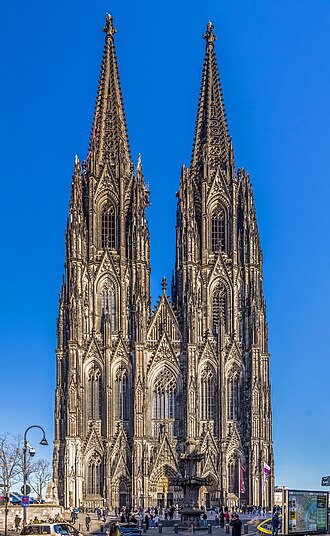
Germany's most visited landmark, a Gothic masterpiece housing the Shrine of the Three Kings.
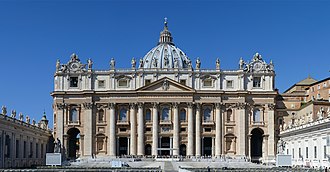
⛪Vatican City (St. Peter's Basilica)
The spiritual center of Roman Catholicism and home of the Pope.
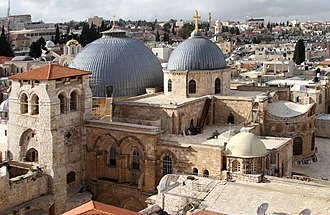
✝️Church of the Holy Sepulchre
The site where Jesus was crucified, buried, and resurrected.