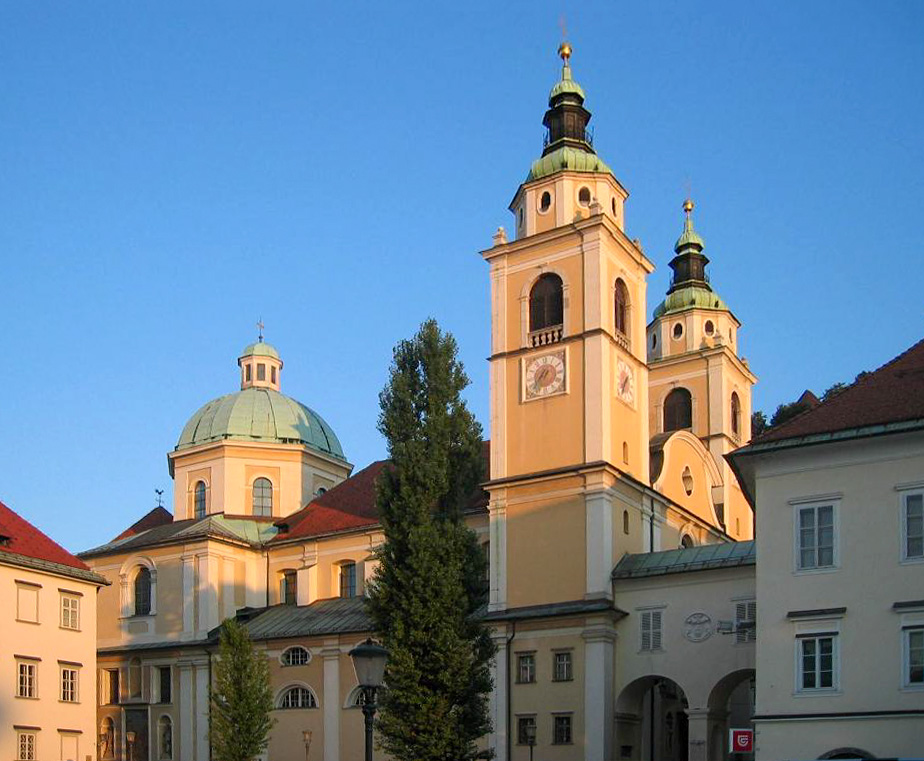
⛪ Ljubljana Cathedral
Slovenia
About This Sacred Site
Ljubljana Cathedral, dedicated to St. Nicholas, is the principal church of Slovenia’s capital, renowned for its stunning Baroque architecture. Designed by Italian architect Andrea Pozzo and completed in 1706, the cathedral features a richly decorated interior with frescoes, ornate altars, and a distinctive green dome topped with golden angels. It stands as a prominent religious and cultural landmark in Ljubljana, hosting important liturgical events and drawing visitors for its artistic and spiritual significance.
History & Origins
Constructed between 1701 and 1706, Ljubljana Cathedral is a Baroque masterpiece designed by the Italian Jesuit architect Andrea Pozzo, renowned for his expertise in illusionistic ceiling painting. It replaced an earlier Gothic cathedral destroyed by fire in 1700, with construction commissioned by Bishop Thomas Chrön. The cathedral was consecrated in 1706 and later underwent 19th-century restorations preserving its structural integrity. The interior features ceiling frescoes painted by Giulio Quaglio between 1703 and 1706, depicting scenes from the life of Saint Nicholas, the cathedral's patron saint. The cathedral's green copper dome and twin towers dominate the Ljubljana skyline, symbolizing the city's religious heritage. In 1707, Pozzo's influence extended to the design of the cathedral’s altar and pulpit, emphasizing Baroque theatricality. The site has remained the seat of the Archdiocese of Ljubljana since its establishment in 1961.
Spiritual Significance
Dedicated to Saint Nicholas, the cathedral hosts annual celebrations on December 6 honoring the saint, including liturgical services emphasizing his role as protector of children and sailors, according to hagiographic texts. The ceiling frescoes by Giulio Quaglio visually narrate theological virtues and miracles attributed to Saint Nicholas, reinforcing the cathedral’s role in catechesis. Pilgrims and local faithful participate in the Feast of the Annunciation on March 25, reflecting the cathedral’s dedication to Marian devotion alongside its patron saint. The cathedral serves as the primary site for diocesan liturgies led by the Archbishop of Ljubljana, with the Roman Rite extensively observed. The cathedral’s layout and iconography follow Counter-Reformation principles, aiming to inspire faith and counter Protestant influences in early 18th-century Slovenia.
Key Facts
- •Designed by Italian Jesuit architect Andrea Pozzo
- •Built between 1701 and 1706 on the site of earlier churches
- •Features spectacular ceiling frescoes by Giulio Quaglio
- •New bronze doors were installed for the Pope's 1996 visit
- •Dedicated to St. Nicholas, patron saint of fishermen and boatmen
Location
Coordinates: 46.0511, 14.5058
Frequently Asked Questions
What religion is Ljubljana Cathedral associated with?▾
Ljubljana Cathedral is a Christianity holy site located in Slovenia. It was established 1706 and is ranked #765 in our global directory of sacred sites.
When was Ljubljana Cathedral established?▾
Ljubljana Cathedral dates back to 1706. Designed by Italian Jesuit architect Andrea Pozzo
How many people visit Ljubljana Cathedral each year?▾
Ljubljana Cathedral receives approximately 400,000 visitors per year. Built between 1701 and 1706 on the site of earlier churches
What is Ljubljana Cathedral known for?▾
The Baroque Cathedral of St. Nicholas in the heart of Ljubljana. Visitors come seeking blessings, spiritual enlightenment, pilgrimage. Features spectacular ceiling frescoes by Giulio Quaglio
Related Holy Sites
Sacred places connected by country, religion, and purpose

⛪Church of the Assumption, Lake Bled
A fairy-tale pilgrimage church on a tiny island in the middle of Lake Bled.
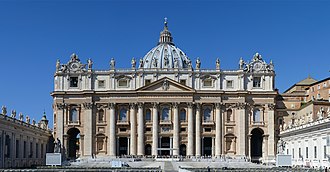
⛪Vatican City (St. Peter's Basilica)
The spiritual center of Roman Catholicism and home of the Pope.
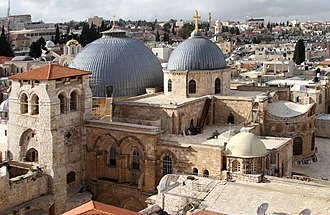
✝️Church of the Holy Sepulchre
The site where Jesus was crucified, buried, and resurrected.