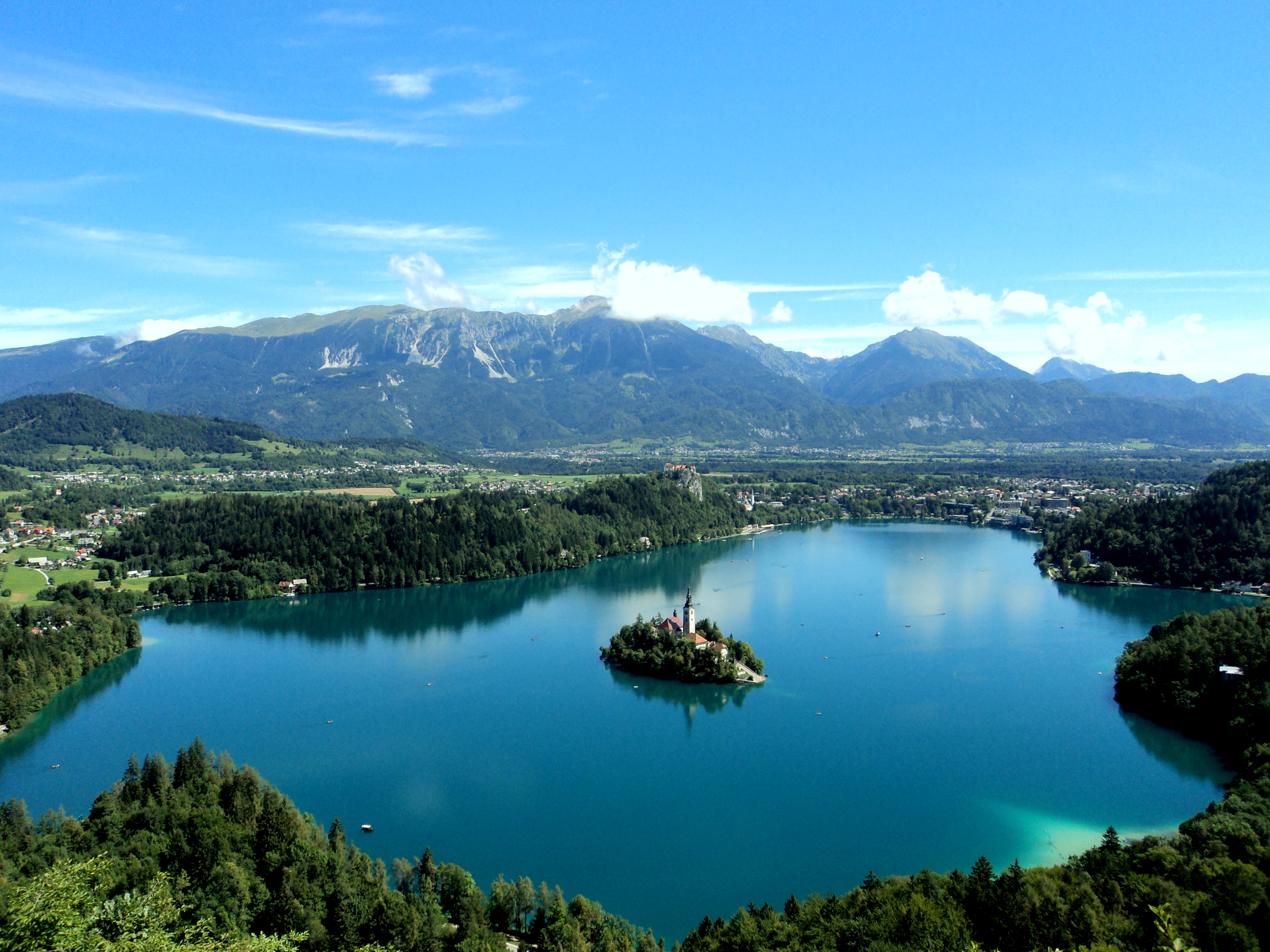
⛪ Lake Bled Island Church
Slovenia
About This Sacred Site
The Pilgrimage Church of the Assumption of Mary, located on Lake Bled's only natural island in Slovenia, dates back to around 1142. This picturesque church is renowned for its Baroque architecture, featuring a prominent bell tower and ornate frescoes inside. The church is a popular site for weddings and pilgrimages, with visitors often ringing the famous wishing bell for good luck. Surrounded by the glacial lake and the Julian Alps, the site blends spiritual significance with breathtaking natural beauty, making it a treasured Slovenian landmark.
History & Origins
The church on Lake Bled Island in Slovenia was established circa 1142, built atop a site that previously hosted a pre-Christian Slavic temple dedicated to the goddess Živa, indicating a sacred continuity from pagan to Christian worship. The current Baroque-style church underwent significant renovations during the 17th and 18th centuries, including the addition of the iconic 99 stone steps leading from the lake's shore to the island. The church's bell tower, constructed in the 17th century, houses the famed 'wishing bell' installed in 1534, which tradition holds grants wishes to those who ring it. The island and church have survived various historical upheavals, including Ottoman raids in the 15th century and later Habsburg rule, maintaining their status as a pilgrimage destination. Restoration efforts in the 20th century preserved the frescoes and altar, ensuring its continued religious and cultural significance within Slovenia.
Spiritual Significance
Pilgrims ascend the 99 stone steps to the church as an act symbolizing spiritual ascent, with the number 99 representing the incomplete human effort and the final step symbolizing divine grace. The tradition of ringing the 'wishing bell,' which dates back to 1534, is believed to grant wishes and is rooted in local folklore blending Christian and Slavic pagan elements. The church is dedicated to the Assumption of Mary, celebrated annually on August 15th with a festival that includes boat processions to the island. The site embodies syncretism, with the pre-Christian goddess Živa's association with fertility and life paralleling Marian doctrines of the Virgin Mary's role in salvation. The church's altar features iconography reflecting these themes, and local clergy often reference Psalm 121 during services, emphasizing protection and ascent, aligning with the pilgrimage up the steps.
Key Facts
- •The island hosted a pre-Christian Slavic temple to the goddess Živa before the church
- •The 99 stone steps lead to the church where a 'wishing bell' grants wishes according to tradition
- •Visitors reach the island by pletna, traditional wooden boats unique to Lake Bled
- •The current Baroque church dates to the 17th century after an earthquake destroyed the predecessor
- •Grooms traditionally carry their brides up the 99 steps as a test of strength and devotion
Location
Coordinates: 46.3628, 14.0900
Frequently Asked Questions
What religion is Lake Bled Island Church associated with?▾
Lake Bled Island Church is a Christianity holy site located in Slovenia. It was established c. 1142 and is ranked #626 in our global directory of sacred sites.
When was Lake Bled Island Church established?▾
Lake Bled Island Church dates back to c. 1142. The island hosted a pre-Christian Slavic temple to the goddess Živa before the church
How many people visit Lake Bled Island Church each year?▾
Lake Bled Island Church receives approximately 500,000 visitors per year. The 99 stone steps lead to the church where a 'wishing bell' grants wishes according to tradition
What is Lake Bled Island Church known for?▾
A fairytale church on a tiny island in glacial Lake Bled, reached by traditional wooden boats. Visitors come seeking blessings, peace, miracles. Visitors reach the island by pletna, traditional wooden boats unique to Lake Bled
Related Holy Sites
Sacred places connected by country, religion, and purpose

⛪Church of the Assumption, Lake Bled
A fairy-tale pilgrimage church on a tiny island in the middle of Lake Bled.
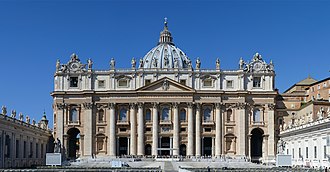
⛪Vatican City (St. Peter's Basilica)
The spiritual center of Roman Catholicism and home of the Pope.
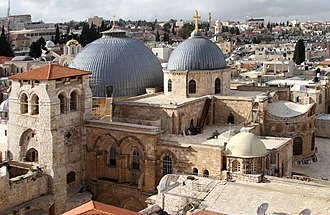
✝️Church of the Holy Sepulchre
The site where Jesus was crucified, buried, and resurrected.