
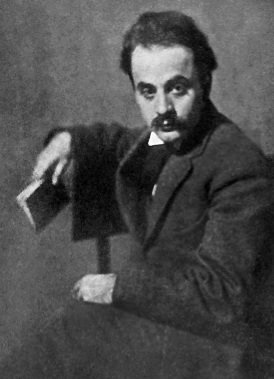
📖 Khalil Gibran Museum
Lebanon
About This Sacred Site
The Khalil Gibran Museum in Bsharri, at the head of the Qadisha Valley, is housed in a former 7th-century monastery that serves as both the tomb and the museum of the renowned Lebanese-American poet and spiritual writer. Gibran's masterwork 'The Prophet' has been translated into over 100 languages and remains one of the most widely read spiritual texts of the modern era. The museum houses 440 of his paintings and drawings, personal belongings, and manuscripts, set within the carved rock of the former hermitage.
History & Origins
The Khalil Gibran Museum, located in Bsharri, Lebanon, was established in 1935 within a former 7th-century Maronite monastery that also serves as the burial site of Khalil Gibran, the renowned Lebanese-American poet, artist, and philosopher. The museum preserves Gibran’s original manuscripts, paintings, and personal artifacts, offering insight into his spiritual and artistic legacy. Situated at the head of the Qadisha Valley, a UNESCO World Heritage site, the museum embodies the deep connection between Gibran’s work and Lebanese cultural identity. It has become a pilgrimage site for admirers of his mystical writings and an important cultural institution promoting Lebanese heritage and intercultural dialogue.
Spiritual Significance
The museum, established in 1935, preserves the spiritual legacy of Khalil Gibran, whose writings blend Eastern and Western mystical traditions. Pilgrims often visit to meditate near the original manuscripts of "The Prophet," a text translated into over 100 languages and revered for its philosophical discussions on love, freedom, and the soul. The museum's location in a 7th-century monastery carved into rock symbolizes the fusion of Christian monastic spirituality with Gibran's multi-faith humanism. Annual commemorations on January 6th mark Gibran's birth, reflecting his teachings through recitations and art exhibitions. The collection of 440 original paintings and drawings invites reflection on themes from the Bible, Quran, and Sufi poetry, thus fostering interfaith dialogue. Scholars and devotees reference Gibran's emphasis on unity in diversity, rooted in his Lebanese-American heritage and spiritual poetry, making the museum a unique center for contemplative pilgrimage.
Key Facts
- •Housed in a former 7th-century monastery carved into rock
- •Contains 440 of Gibran's paintings and drawings
- •'The Prophet' has been translated into over 100 languages
- •Gibran's body was brought here from New York after his death in 1931
- •Located at the edge of the Qadisha Valley, a UNESCO site
Location
Coordinates: 34.2467, 36.0100
Frequently Asked Questions
What religion is Khalil Gibran Museum associated with?▾
Khalil Gibran Museum is a Multi-faith holy site located in Lebanon. It was established 1935 (museum) and is ranked #492 in our global directory of sacred sites.
When was Khalil Gibran Museum established?▾
Khalil Gibran Museum dates back to 1935 (museum). Housed in a former 7th-century monastery carved into rock
How many people visit Khalil Gibran Museum each year?▾
Khalil Gibran Museum receives approximately 100,000 visitors per year. Contains 440 of Gibran's paintings and drawings
What is Khalil Gibran Museum known for?▾
The museum and tomb of the spiritual writer Khalil Gibran, in a former monastery in Bsharri. Visitors come seeking spiritual enlightenment, meditation, peace, guidance. 'The Prophet' has been translated into over 100 languages
Related Holy Sites
Sacred places connected by country, religion, and purpose
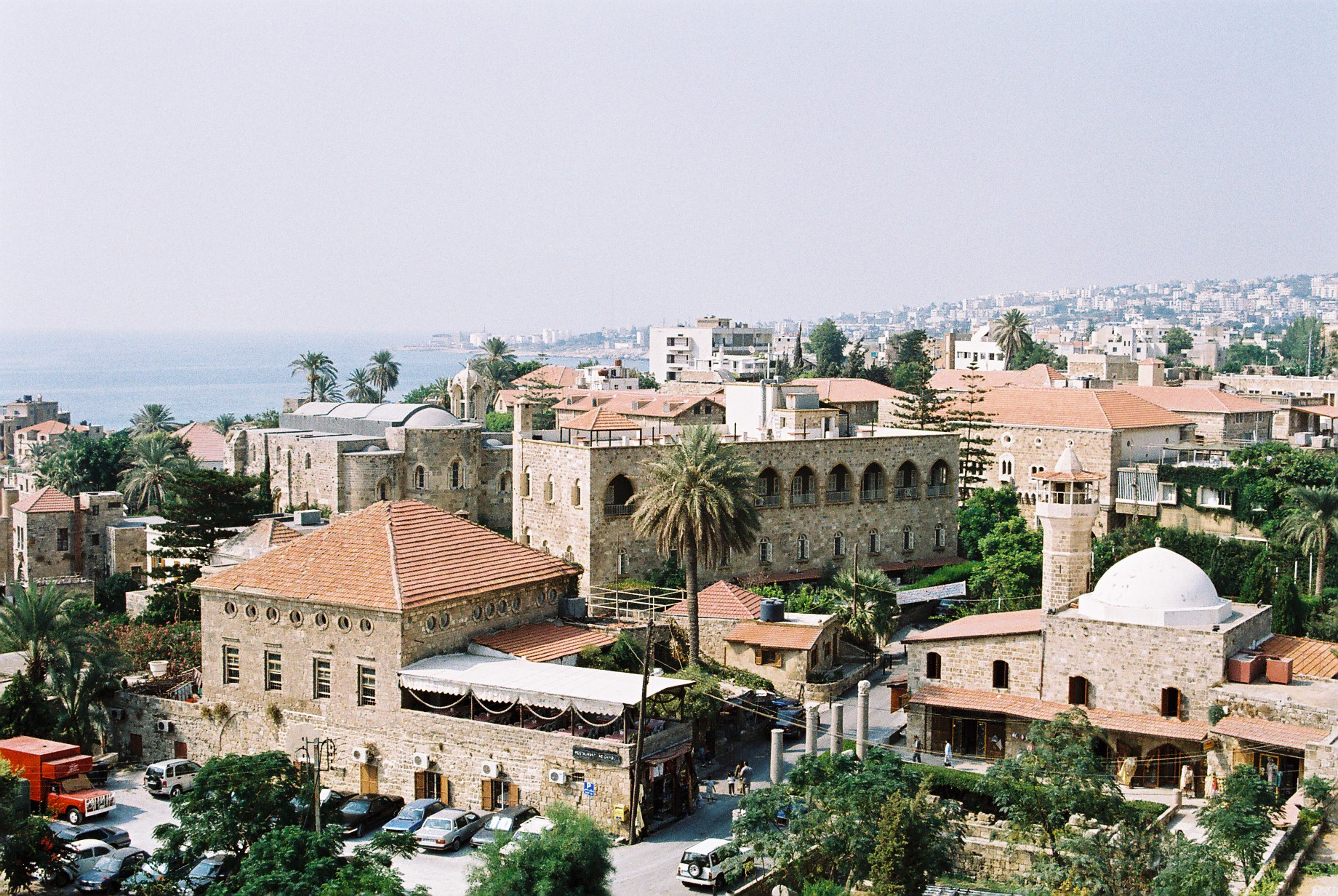
🏛️Byblos (Jbeil)
One of the oldest continuously inhabited cities, with Phoenician temples and a Crusader church.
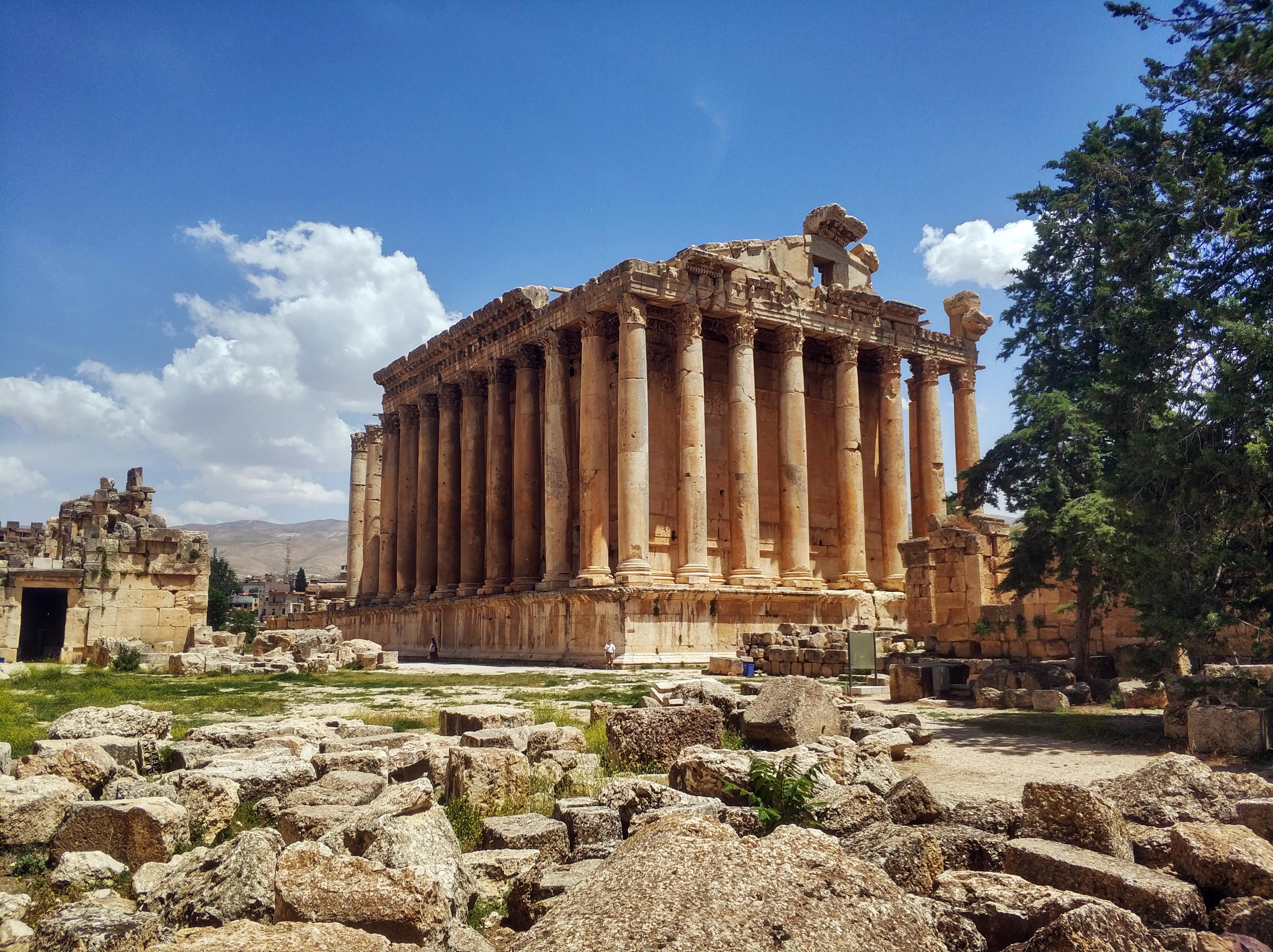
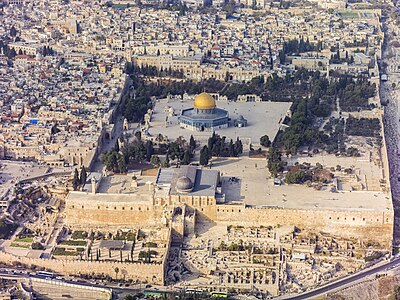
🕌Temple Mount / Al-Aqsa (Jerusalem)
Sacred to Judaism, Christianity, and Islam — the most contested holy site on Earth.
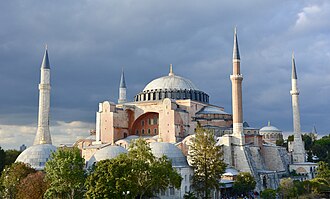
🏛️Hagia Sophia
A masterpiece that served as cathedral, mosque, and museum across centuries.
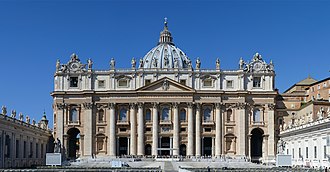
⛪Vatican City (St. Peter's Basilica)
The spiritual center of Roman Catholicism and home of the Pope.
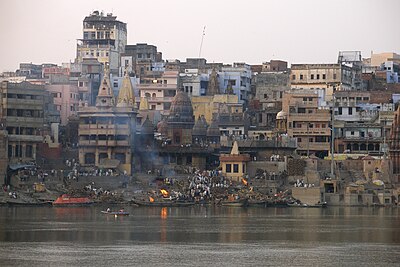
🙏Varanasi (Kashi Vishwanath Temple)
The holiest city in Hinduism, where the Ganges River purifies the soul.

