🔥 Kataragama Temple
Sri Lanka
About This Sacred Site
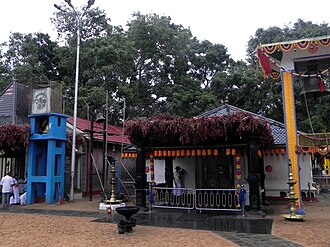
Kataragama is one of Sri Lanka's most important pilgrimage sites, uniquely sacred to Buddhists, Hindus, Muslims, and indigenous Vedda people. The main shrine is dedicated to the Hindu war god Skanda (known locally as Kataragama Deviyo), but the complex also includes a Buddhist stupa, a mosque, and a Vedda shrine. The annual Esala festival features dramatic acts of devotion including fire-walking, body piercing, and hook-swinging by devotees fulfilling vows. The site is renowned for miraculous healings and answered prayers, attracting devotees of all faiths from across Sri Lanka.
Spiritual Significance
Dating traditionally to the 3rd century BCE, this multi-faith shrine is venerated by Buddhists, Hindus, Muslims, and indigenous Vedda communities, illustrating syncretic religious worship centered on the deity Kataragama deviyo or Skanda-Murugan. The annual Esala festival attracts tens of thousands of pilgrims who perform acts of devotion including fire-walking (the fire-walking ceremony), kavadi bearing, and ritual body piercing to embody penance and spiritual purification. The site is mentioned in the ancient Kataragama Sutta from the Pali Canon, linking it to early Buddhist devotional practices. Pilgrims circumambulate the temple complex and partake in recitations from the Skanda Purana and Buddhist protective chants, reflecting its theological importance as a locus of both protective and healing powers. Indigenous Vedda beliefs emphasize the temple's connection to ancestral spirits, making it a unique convergence point for diverse ritual traditions and fostering pilgrimage customs that blend asceticism with communal celebration.
Key Facts
- •Sacred to four religious traditions: Buddhism, Hinduism, Islam, and indigenous Vedda beliefs
- •The annual Esala festival features fire-walking and dramatic acts of devotion
- •The main shrine to Kataragama Deviyo (Skanda) contains no idol, only a yantra
- •Located in the deep south near Yala National Park
- •Devotees believe the god of Kataragama grants wishes regardless of the petitioner's religion
Location
Coordinates: 6.4134, 81.3318
Frequently Asked Questions
What religion is Kataragama Temple associated with?▾
Kataragama Temple is a Multi-faith holy site located in Sri Lanka. It was established c. 3rd century BCE (traditional) and is ranked #224 in our global directory of sacred sites.
When was Kataragama Temple established?▾
Kataragama Temple dates back to c. 3rd century BCE (traditional). Sacred to four religious traditions: Buddhism, Hinduism, Islam, and indigenous Vedda beliefs
How many people visit Kataragama Temple each year?▾
Kataragama Temple receives approximately 1+ million visitors per year. The annual Esala festival features fire-walking and dramatic acts of devotion
What is Kataragama Temple known for?▾
A multi-faith pilgrimage site sacred to Buddhists, Hindus, and Muslims alike. Visitors come seeking miracles, healing, protection, blessings. The main shrine to Kataragama Deviyo (Skanda) contains no idol, only a yantra
Related Holy Sites
Sacred places connected by country, religion, and purpose
👣Sri Pada (Adam's Peak)
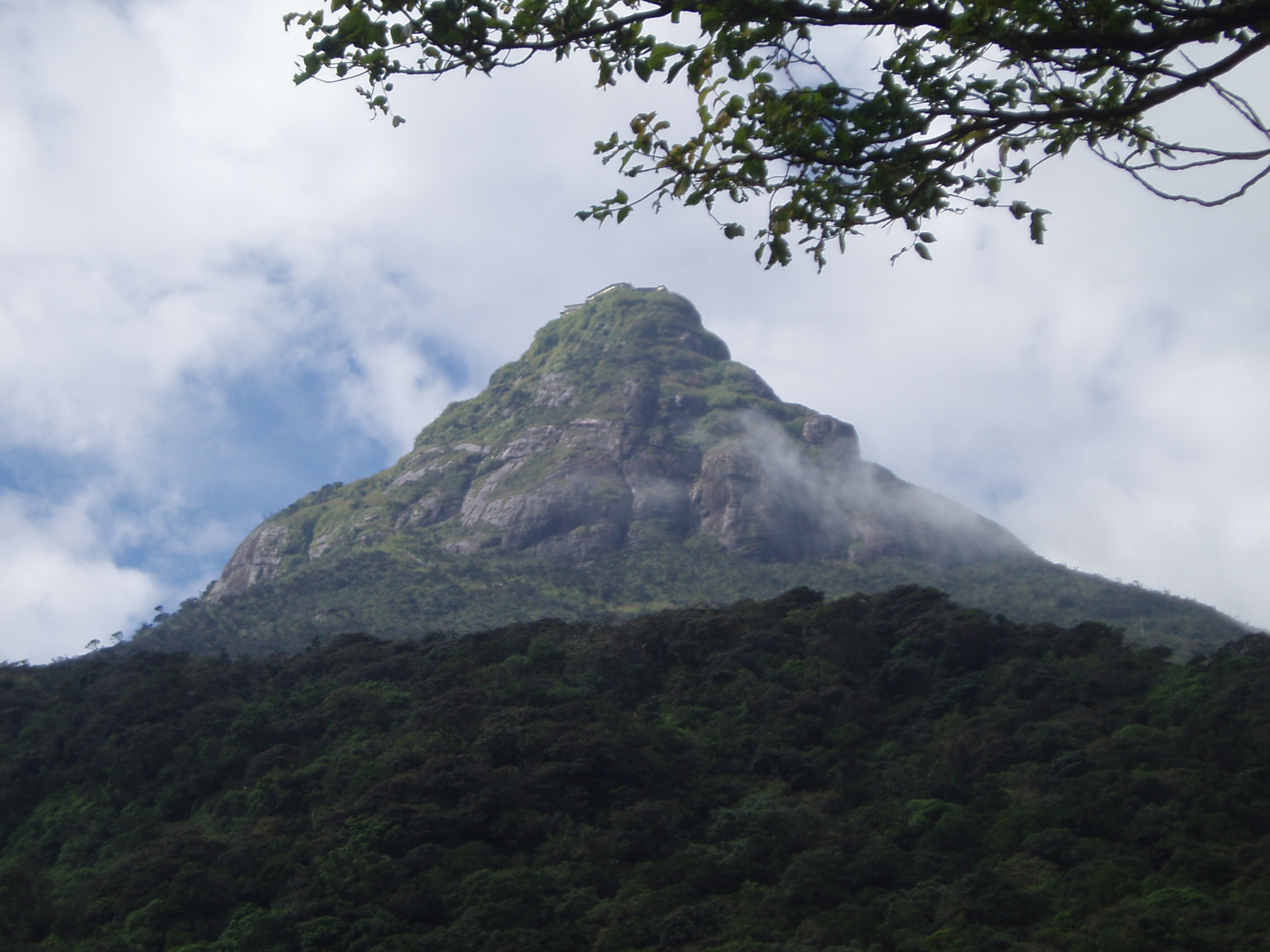
A sacred mountain with a footprint revered by four different religions.
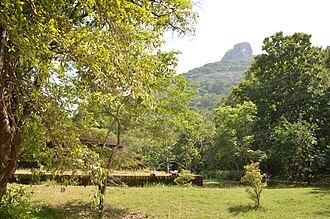
🌳Anuradhapura Sacred City
Sri Lanka's first ancient capital, home to the world's oldest known tree planted by humans.
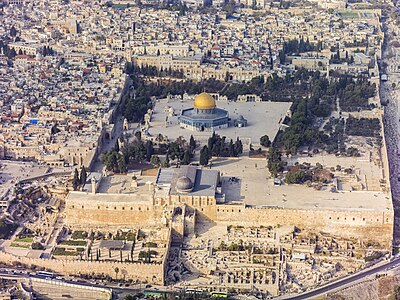
🕌Temple Mount / Al-Aqsa (Jerusalem)
Sacred to Judaism, Christianity, and Islam — the most contested holy site on Earth.
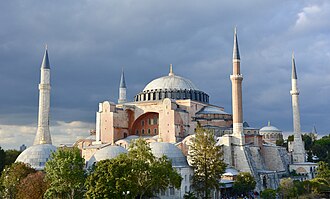
🏛️Hagia Sophia
A masterpiece that served as cathedral, mosque, and museum across centuries.