🏛️ Janaki Mandir
Nepal
About This Sacred Site
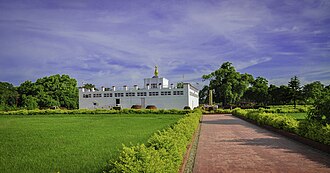
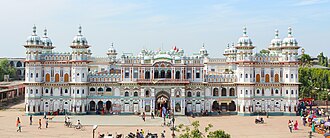
Janaki Mandir in Janakpur is one of Nepal's most important Hindu temples, dedicated to Goddess Sita (also known as Janaki), the wife of Lord Rama. Built in 1910 in the Rajput architectural style by Queen Vrisha Bhanu of Tikamgarh, the stunning white marble temple features 60 rooms and stands three stories high. Janakpur is believed to be the birthplace of Sita and the site of her marriage to Lord Rama, as described in the Ramayana. The annual Vivah Panchami festival reenacting the divine marriage draws hundreds of thousands of devotees.
Spiritual Significance
Janaki Mandir, established in 1910 by Queen Vrisha Bhanu of Tikamgarh, is revered as the sacred birthplace of Goddess Sita, central to the Ramayana epic. The temple's 60-room structure in Rajput architectural style houses idols of Sita and Lord Rama, attracting devotees during Vivah Panchami, which commemorates their divine marriage. Pilgrims perform ritual baths in the nearby sacred ponds before entering the temple, a practice rooted in Hindu purification rites. The temple's significance is reinforced by its association with scriptures like the Ramcharitmanas, which narrates Sita's birth and virtues. Devotees chant verses from the Ramayana and offer traditional floral garlands and incense during daily pujas conducted by hereditary priests. The temple's location in Janakpur, historically known as Mithila, integrates regional Maithili cultural traditions, including folk songs praising Sita's unwavering devotion and purity.
Key Facts
- •Built in 1910 by Queen Vrisha Bhanu of Tikamgarh in Rajput architectural style
- •Believed to be the birthplace of Goddess Sita from the Ramayana
- •The temple has 60 rooms and stands three stories high in white marble
- •The annual Vivah Panchami festival reenacts the marriage of Rama and Sita
- •One of the most important pilgrimage sites for followers of the Ramayana tradition
Location
Coordinates: 26.7286, 85.9262
Frequently Asked Questions
What religion is Janaki Mandir associated with?▾
Janaki Mandir is a Hinduism holy site located in Nepal. It was established 1910 CE and is ranked #793 in our global directory of sacred sites.
When was Janaki Mandir established?▾
Janaki Mandir dates back to 1910 CE. Built in 1910 by Queen Vrisha Bhanu of Tikamgarh in Rajput architectural style
How many people visit Janaki Mandir each year?▾
Janaki Mandir receives approximately 500,000+ visitors per year. Believed to be the birthplace of Goddess Sita from the Ramayana
What is Janaki Mandir known for?▾
A grand Rajput-style temple in Janakpur dedicated to Goddess Sita. Visitors come seeking blessings, fertility, prosperity, peace. The temple has 60 rooms and stands three stories high in white marble
Related Holy Sites
Sacred places connected by country, religion, and purpose