⛪ Immaculate Conception Cathedral Basseterre
Saint Kitts and Nevis
About This Sacred Site
The Co-Cathedral of the Immaculate Conception in Basseterre is the principal Roman Catholic church in Saint Kitts and Nevis. Originally constructed in the 1670s, the cathedral has undergone multiple reconstructions due to natural disasters. It features a blend of colonial and ecclesiastical architectural styles, reflecting its long-standing role in the spiritual life of the island nation. The cathedral serves as a focal point for Catholic worship, community events, and religious education, maintaining its status as a sacred site within the Caribbean.
History & Origins
Originally constructed in the 1670s by French colonists, the cathedral has undergone multiple reconstructions due to fires and hurricanes, with the current late 19th-century structure reflecting Gothic Revival architectural features. The building's foundation was laid shortly after the establishment of Catholic missions on Saint Kitts, serving as a focal point for the growing Christian community under French and later British colonial rule. Significant renovations occurred in the 1890s to reinforce the structure against tropical storms, incorporating stained glass windows imported from Europe. The cathedral has been central to religious life during key historical moments, including the 20th-century independence movement, hosting services that united diverse parishioners. Its bell tower, added in 1885, remains one of the tallest structures on the island, symbolizing colonial-era ecclesiastical authority. Documentation from the Diocesan archives highlights its role as a site for Catholic sacraments since its inception, with records of bishops and clergy dating back over three centuries.
Spiritual Significance
Dedicated to the doctrine of the Immaculate Conception, the cathedral is a principal site for celebrating the feast day on December 8, featuring processions and special masses that draw worshippers from across the island. Liturgical practices follow the Roman Catholic rite, emphasizing sacraments such as Eucharist and Confirmation, administered by clergy trained in the Diocese of Saint Kitts and Nevis. The cathedral hosts the annual Holy Week ceremonies, including the Stations of the Cross performed along the nave, reflecting local adaptations of universal Catholic traditions. Its altar houses relics associated with early Christian martyrs, underscoring its theological connection to the wider Catholic Church. Pilgrims participate in novenas and recitations of the Rosary, particularly during Marian months, reinforcing the site’s dedication to Virgin Mary. The cathedral’s choir regularly performs Gregorian chants, maintaining a liturgical continuity dating back to its French missionary origins.
Key Facts
- •Originally built by French colonists in the 17th century
- •Destroyed and rebuilt multiple times due to fires and natural disasters
- •The current structure dates from the late 19th century
- •Features a prominent tower visible across Basseterre
- •Saint Kitts was the first Caribbean island to be colonized by Europeans
Location
Coordinates: 17.2955, -62.7230
Frequently Asked Questions
What religion is Immaculate Conception Cathedral Basseterre associated with?▾
Immaculate Conception Cathedral Basseterre is a Christianity holy site located in Saint Kitts and Nevis. It was established 1670s and is ranked #952 in our global directory of sacred sites.
When was Immaculate Conception Cathedral Basseterre established?▾
Immaculate Conception Cathedral Basseterre dates back to 1670s. Originally built by French colonists in the 17th century
How many people visit Immaculate Conception Cathedral Basseterre each year?▾
Immaculate Conception Cathedral Basseterre receives approximately 25,000+ visitors per year. Destroyed and rebuilt multiple times due to fires and natural disasters
What is Immaculate Conception Cathedral Basseterre known for?▾
The principal Catholic cathedral in Basseterre, rebuilt after devastating fires in the 19th century. Visitors come seeking blessings, salvation, peace. The current structure dates from the late 19th century
Related Holy Sites
Sacred places connected by country, religion, and purpose
🏰Brimstone Hill Chapel
Chapel within the UNESCO-listed Brimstone Hill Fortress, serving garrison and enslaved workers alike.
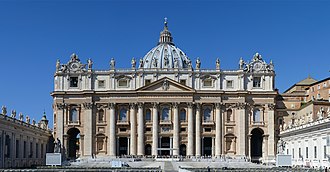
⛪Vatican City (St. Peter's Basilica)
The spiritual center of Roman Catholicism and home of the Pope.
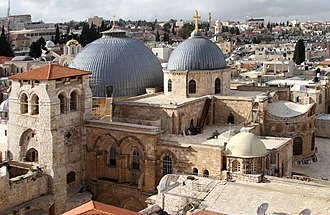
✝️Church of the Holy Sepulchre
The site where Jesus was crucified, buried, and resurrected.
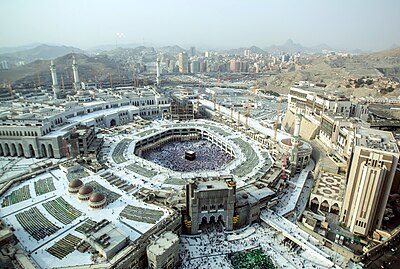
🕋Masjid al-Haram (Great Mosque of Mecca)
The holiest site in Islam, home of the Kaaba, and the destination for Hajj pilgrimage.