
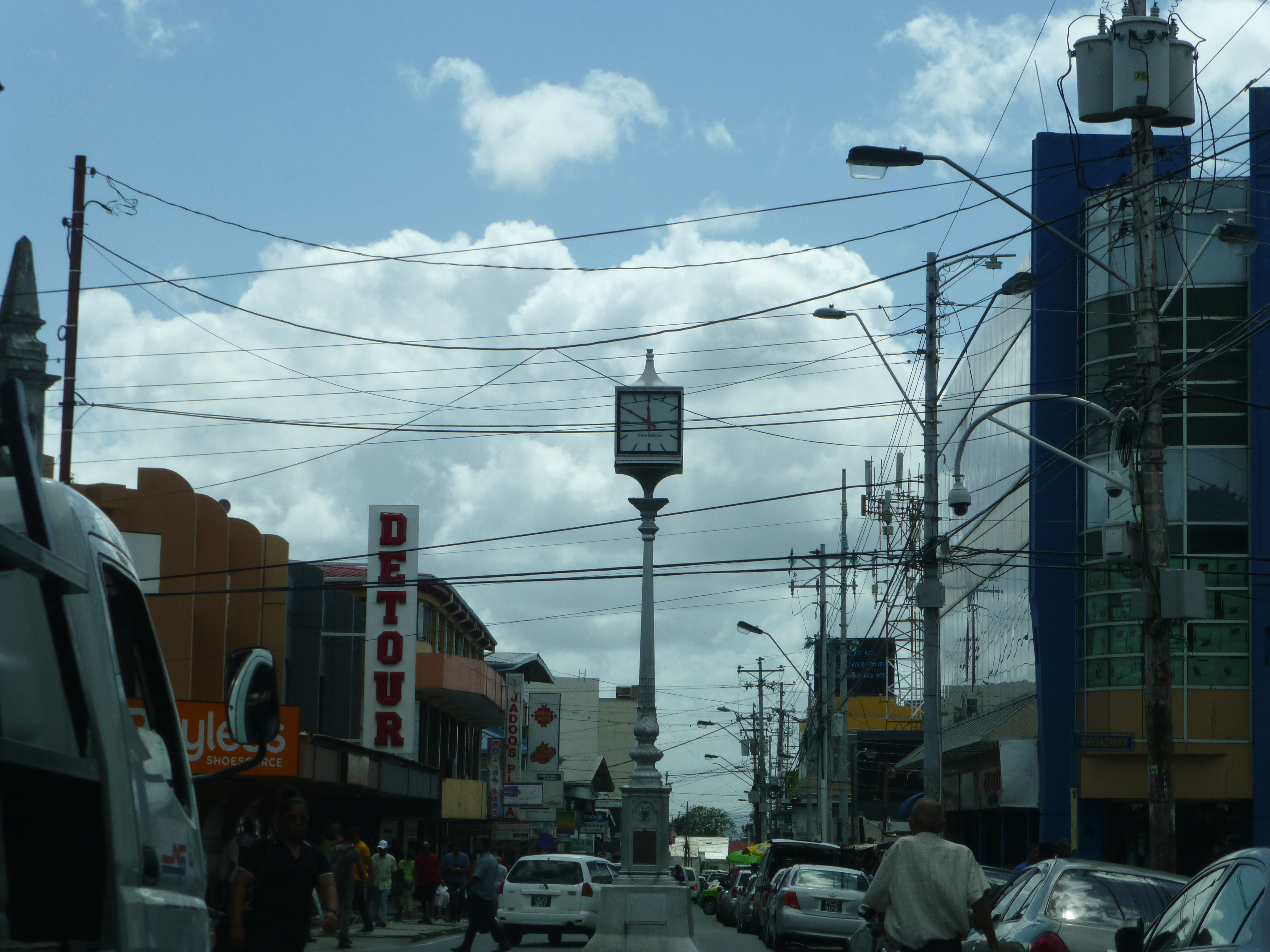
⛪ Holy Rosary Church Arima
Trinidad and Tobago
About This Sacred Site
Holy Rosary Church in Arima, Trinidad and Tobago, founded circa 1780, is deeply connected to the Santa Rosa First Peoples, the recognized indigenous Amerindian community of the region. The church serves as a spiritual and cultural center, preserving indigenous traditions alongside Catholic practices. Architecturally modest, it reflects the colonial-era religious influence while honoring local heritage. Holy Rosary Church is a focal point for religious ceremonies, community gatherings, and the celebration of indigenous identity within a Christian framework.
Spiritual Significance
The Holy Rosary Church in Arima, established circa 1780, is intimately connected with the Santa Rosa First Peoples, the officially recognized indigenous community of Trinidad. The church is the focal point for the annual Santa Rosa Festival held every October 30th, blending Catholic liturgy with indigenous customs to honor the patron saint, Santa Rosa de Lima. The festival includes a procession of the Santa Rosa statue, indigenous dances, and the offering of traditional foods, reflecting syncretism between Roman Catholicism and Amerindian spirituality. The church administers the rosary prayers and hosts novenas that incorporate indigenous languages and symbols. Pilgrims attend to receive blessings invoking both Catholic saints and ancestral spirits, illustrating a unique fusion of faith traditions.
Key Facts
- •Connected to the Santa Rosa First Peoples, Trinidad's recognized indigenous community
- •The annual Santa Rosa Festival blends Catholic and indigenous traditions
- •The festival includes the smoking of a sacred pipe and traditional ceremonies
- •The First Peoples community traces descent from the original Carib and Arawak inhabitants
- •Arima has been a center of indigenous culture in Trinidad since pre-Columbian times
Location
Coordinates: 10.6369, -61.2828
Frequently Asked Questions
What religion is Holy Rosary Church Arima associated with?▾
Holy Rosary Church Arima is a Christianity holy site located in Trinidad and Tobago. It was established c. 1780 and is ranked #963 in our global directory of sacred sites.
When was Holy Rosary Church Arima established?▾
Holy Rosary Church Arima dates back to c. 1780. Connected to the Santa Rosa First Peoples, Trinidad's recognized indigenous community
How many people visit Holy Rosary Church Arima each year?▾
Holy Rosary Church Arima receives approximately 25,000 visitors per year. The annual Santa Rosa Festival blends Catholic and indigenous traditions
What is Holy Rosary Church Arima known for?▾
A historic church in Arima connected to the Santa Rosa First Peoples community and their annual festival. Visitors come seeking ancestral connection, healing, blessings. The festival includes the smoking of a sacred pipe and traditional ceremonies
Related Holy Sites
Sacred places connected by country, religion, and purpose

⛪Holy Rosary Church, Port of Spain
A prominent Catholic church reflecting Trinidad's rich multi-faith heritage.

🕌Jinnah Memorial Mosque
The largest mosque in the Caribbean, located in the heart of Port of Spain.

⛪Vatican City (St. Peter's Basilica)
The spiritual center of Roman Catholicism and home of the Pope.
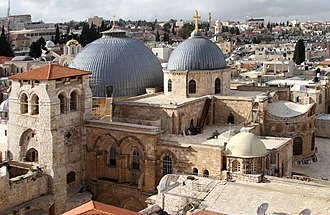
✝️Church of the Holy Sepulchre
The site where Jesus was crucified, buried, and resurrected.
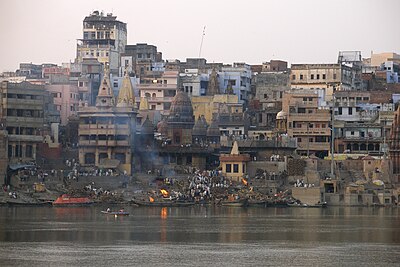
🙏Varanasi (Kashi Vishwanath Temple)
The holiest city in Hinduism, where the Ganges River purifies the soul.
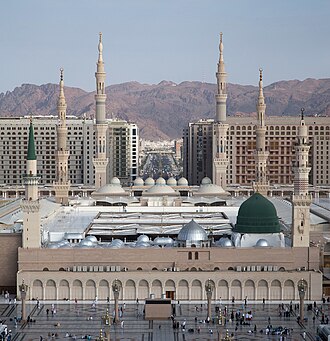
🕌Al-Masjid an-Nabawi (Prophet's Mosque)
The second holiest mosque in Islam, containing the tomb of Prophet Muhammad.

