🙏 Hinglaj Mata Temple
Pakistan
About This Sacred Site
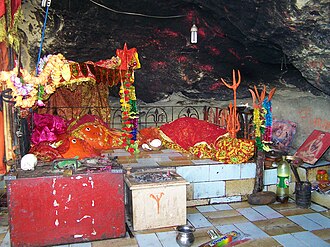
The Hinglaj Mata Temple in the remote Hingol area of Balochistan is one of the most important Hindu pilgrimage sites in Pakistan and one of the 51 Shakti Piths — sacred sites where body parts of the goddess Sati are said to have fallen. It is the highest-ranked Shakti Pith, where Sati's head is believed to have landed. Every year, thousands of Hindu pilgrims trek through the desert to worship at the cave temple. Remarkably, Muslim devotees also visit the shrine, considering it sacred under the name 'Nani Mandir.'
History & Origins
The Hinglaj Mata Temple, located in the remote Hingol region of Balochistan, Pakistan, is one of the oldest and most revered Hindu pilgrimage sites, traditionally dated to ancient times. Dedicated to the goddess Hinglaj, a form of Durga, it is one of the 51 Shakti Peethas where the goddess’s body parts are believed to have fallen according to Hindu mythology. The temple’s location within the rugged Hingol National Park contributes to its mystical aura and spiritual significance. Despite being in a predominantly Muslim region, the temple has been continuously maintained by Hindu devotees and local communities. Annual pilgrimages attract thousands of pilgrims, particularly during the Navratri festival, symbolizing religious coexistence and the endurance of Hindu traditions in Pakistan.
Spiritual Significance
The Hinglaj Mata Temple is revered as the foremost Shakti Pith, marking the site where the head of the goddess Sati is believed to have fallen according to the Puranic texts, specifically the Shakti Tantra tradition. Pilgrims undertake a rigorous journey through the arid terrain of Hingol National Park in Balochistan, often during the annual Hinglaj Yatra festival held in the Hindu month of Chaitra (March-April), attracting thousands of devotees. The pilgrimage involves ritual bathing in the nearby Hingol River, symbolic offerings to the goddess, and chanting of hymns from the Devi Bhagavata Purana. The cave shrine houses the naturally formed rock representing the goddess's head, venerated as a living icon. Unique to this site is the syncretic participation of Muslim devotees, who refer to the deity as Nani Mandar and engage in devotional practices, reflecting centuries of shared reverence. The temple's remote location and harsh desert surroundings reinforce the ascetic ethos of the pilgrimage, underscoring Hinglaj Mata's theological role as a powerful Shakti manifestation bridging Hindu and local Baloch traditions.
Key Facts
- •Considered the foremost Shakti Pith, where the head of Sati is said to have fallen
- •Located in a remote cave in the Hingol National Park, Balochistan
- •Muslim devotees also visit the shrine, calling it 'Nani Mandir'
- •The annual pilgrimage draws thousands of Hindus trekking through the desert
- •One of the very few active Hindu temples in Balochistan
Location
Coordinates: 25.5083, 65.5131
Frequently Asked Questions
What religion is Hinglaj Mata Temple associated with?▾
Hinglaj Mata Temple is a Hinduism holy site located in Pakistan. It was established c. ancient and is ranked #878 in our global directory of sacred sites.
When was Hinglaj Mata Temple established?▾
Hinglaj Mata Temple dates back to c. ancient. Considered the foremost Shakti Pith, where the head of Sati is said to have fallen
How many people visit Hinglaj Mata Temple each year?▾
Hinglaj Mata Temple receives approximately 200,000+ visitors per year. Located in a remote cave in the Hingol National Park, Balochistan
What is Hinglaj Mata Temple known for?▾
One of the most important Hindu pilgrimage sites in Pakistan, a Shakti Pith in the Balochistan desert. Visitors come seeking healing, protection, pilgrimage, purification. Muslim devotees also visit the shrine, calling it 'Nani Mandir'
Related Holy Sites
Sacred places connected by country, religion, and purpose
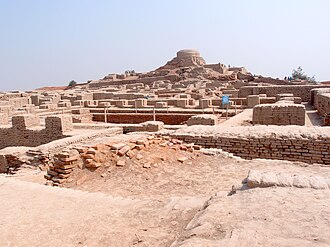
🏛️Mohenjo-daro
The UNESCO-listed ruins of an Indus Valley city with the Great Bath and possible ritual structures.
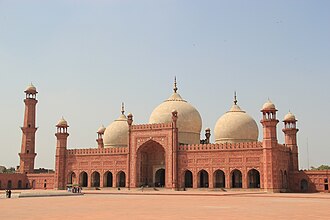
🕌Badshahi Mosque (Lahore)
The Mughal Emperor Aurangzeb's grand mosque in Lahore, one of the most iconic in the Islamic world.
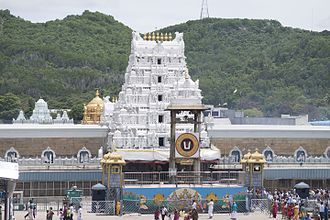
🛕Tirupati (Tirumala Venkateswara Temple)
The richest and most visited Hindu temple in the world.