
🌲 Haida Gwaii (SGang Gwaay / Ninstints)
Canada
About This Sacred Site
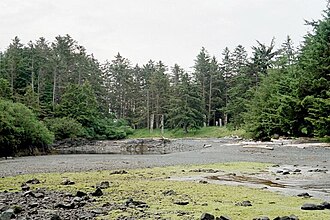
SGang Gwaay (Ninstints), on a remote island in Haida Gwaii off British Columbia's coast, is one of the most haunting and sacred Indigenous sites in the world. The village, abandoned after smallpox devastated the Haida population in the 1880s, preserves a remarkable collection of weathered mortuary and memorial totem poles standing amid the misty rainforest. These towering cedar poles, slowly returning to the earth, represent some of the finest examples of Northwest Coast Indigenous art and spiritual expression. The Haida people consider all of Haida Gwaii sacred, and the archipelago is sometimes called the 'Canadian Galapagos' for its unique ecology. The Haida Gwaii Watchmen, cultural guardians, protect and interpret the site.
History & Origins
SGang Gwaay, also known as Ninstints, is a Haida village site established before 1700 on Haida Gwaii in British Columbia. It was inscribed as a UNESCO World Heritage Site in 1981, one of the first Canadian cultural sites to receive this status because of its exceptional preservation. The site contains the largest collection of standing Haida totem poles in their original locations, some dating to the 18th century. The village was a center of Haida social, political, and spiritual life until it was abandoned in the late 19th century due to disease and colonial pressures. Archaeological efforts in the 20th century documented longhouses, clan houses, and monumental art. Conservation projects have stabilized the totem poles and structures against weathering. The site is managed collaboratively by the Council of the Haida Nation and Parks Canada, emphasizing Indigenous stewardship and cultural revitalization.
Spiritual Significance
SGang Gwaay is central to Haida spiritual traditions, where totem poles represent clan ancestry, crests, and supernatural beings integral to Haida cosmology. Ceremonies such as potlatches were historically held here, involving the recitation of oral histories, gift-giving, and the reaffirmation of social and spiritual bonds. The poles act as visual prayers and historical records, recounting stories of Raven, Eagle, and other figures from Haida mythology. Contemporary Haida continue to conduct cultural rites at the site, including purification ceremonies and seasonal observances tied to the natural environment. The site embodies principles of respect for the land and ancestors, reflected in traditional ecological knowledge and spiritual teachings passed through generations. Haida spiritual leaders utilize SGang Gwaay as a place for teaching and reconnecting with heritage, reinforcing identity through art, language, and ritual.
Key Facts
- •UNESCO World Heritage Site since 1981, one of Canada's first cultural sites listed
- •Contains the largest collection of standing Haida totem poles in their original location
- •The village was abandoned after smallpox killed over 90% of the Haida population
- •Haida Gwaii Watchmen serve as cultural guardians of the site
- •The totem poles are gradually being reclaimed by the rainforest — a process the Haida consider natural
Location
Coordinates: 52.0964, -131.2203
Frequently Asked Questions
What religion is Haida Gwaii (SGang Gwaay / Ninstints) associated with?▾
Haida Gwaii (SGang Gwaay / Ninstints) is a Indigenous holy site located in Canada. It was established c. pre-1700 (village site) and is ranked #762 in our global directory of sacred sites.
When was Haida Gwaii (SGang Gwaay / Ninstints) established?▾
Haida Gwaii (SGang Gwaay / Ninstints) dates back to c. pre-1700 (village site). UNESCO World Heritage Site since 1981, one of Canada's first cultural sites listed
How many people visit Haida Gwaii (SGang Gwaay / Ninstints) each year?▾
Haida Gwaii (SGang Gwaay / Ninstints) receives approximately 2,000 (strictly limited) visitors per year. Contains the largest collection of standing Haida totem poles in their original location
What is Haida Gwaii (SGang Gwaay / Ninstints) known for?▾
A remote sacred island with weathered totem poles, the spiritual heartland of the Haida people. Visitors come seeking ancestral connection, spiritual enlightenment, peace, guidance. The village was abandoned after smallpox killed over 90% of the Haida population
Related Holy Sites
Sacred places connected by country, religion, and purpose

⛪Sainte-Anne-de-Beaupré Basilica
A major Canadian pilgrimage site known for miraculous healings since 1658.

🪨Uluru (Ayers Rock)
A sacred monolith central to Aboriginal Australian creation stories.
🏔️Machu Picchu
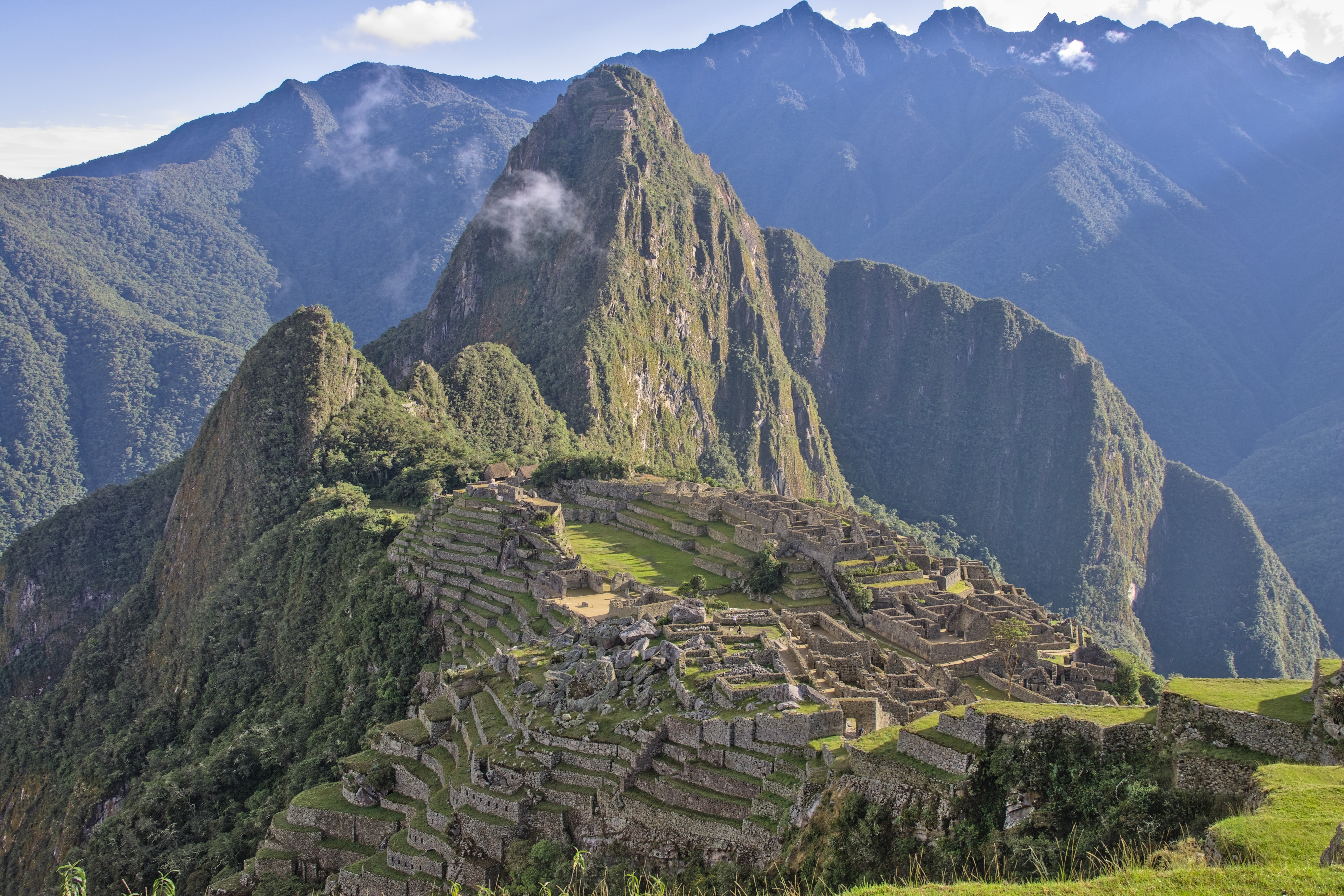
A sacred Inca citadel set high in the Andes, aligned with astronomical events.

⛪Vatican City (St. Peter's Basilica)
The spiritual center of Roman Catholicism and home of the Pope.
🕌Temple Mount / Al-Aqsa (Jerusalem)
Sacred to Judaism, Christianity, and Islam — the most contested holy site on Earth.

