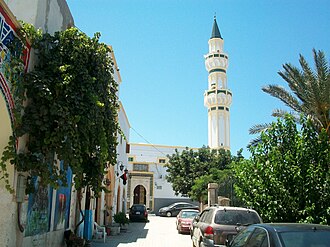
🕌 Gurgi Mosque Tripoli
Libya
About This Sacred Site
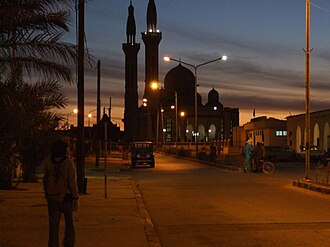
The Gurgi Mosque, built in 1834 by Mustapha Gurgi, is the most elaborately decorated mosque in Tripoli's old medina. Its interior features stunning examples of Ottoman-era Islamic art, including intricate marble columns imported from Italy, carved stucco, ceramic tiles from Tunisia, and painted wooden ceilings. The mosque represents the cosmopolitan nature of Ottoman Tripoli, where Turkish, Arab, and Mediterranean artistic traditions converged. Despite Libya's turbulent recent history, the Gurgi Mosque remains an active place of worship and a testament to the artistic heights of Islamic civilization in North Africa.
History & Origins
The Gurgi Mosque in Tripoli, Libya, was constructed in 1834 under the patronage of Mustapha Gurgi, a notable naval commander during the Ottoman period. The mosque's architectural design incorporates marble columns imported directly from Italy, reflecting the Mediterranean trade links of the era. Its interior walls are adorned with Tunisian ceramic tiles, while the ceilings feature intricate Turkish carved stucco, demonstrating cross-cultural artisanal influences. Originally serving as a center for both worship and community gatherings, the mosque underwent restoration efforts in the early 20th century to preserve its Ottoman-era features. Throughout its history, it has withstood political upheavals, including Italian colonial occupation, maintaining its role as a religious and cultural landmark in Tripoli. Today, it remains a functioning mosque and a protected heritage site, symbolizing the maritime and Islamic heritage of Libya.
Spiritual Significance
The mosque serves as a place for the five daily prayers prescribed in Islam, with the mihrab oriented towards Mecca. It hosts special congregational prayers during Ramadan, including Taraweeh, drawing worshippers from Tripoli and beyond. The mosque's spiritual life is enriched by the recitation of the Qur'an, particularly the chapters revealed in Medina, which align with its Ottoman heritage. The mosque also celebrates Eid al-Fitr and Eid al-Adha through communal prayers and charitable activities, reflecting Islamic teachings on community and generosity. Local religious scholars often deliver sermons referencing the Hanafi school of jurisprudence, dominant in Ottoman territories. The mosque acts as a hub for learning, where Islamic jurisprudence and theology are taught, continuing the legacy of Mustapha Gurgi’s commitment to faith and education.
Key Facts
- •Built in 1834 by Mustapha Gurgi, a naval commander
- •Features marble columns imported from Italy
- •Contains Tunisian ceramic tiles and Turkish carved stucco
- •Considered the most ornate mosque in Tripoli
- •Located within the historic old medina of Tripoli
Location
Coordinates: 32.8957, 13.1772
Frequently Asked Questions
What religion is Gurgi Mosque Tripoli associated with?▾
Gurgi Mosque Tripoli is a Islam holy site located in Libya. It was established 1834 and is ranked #979 in our global directory of sacred sites.
When was Gurgi Mosque Tripoli established?▾
Gurgi Mosque Tripoli dates back to 1834. Built in 1834 by Mustapha Gurgi, a naval commander
How many people visit Gurgi Mosque Tripoli each year?▾
Gurgi Mosque Tripoli receives approximately 20,000 visitors per year. Features marble columns imported from Italy
What is Gurgi Mosque Tripoli known for?▾
Tripoli's most ornate Ottoman-era mosque with exquisite tilework and carvings. Visitors come seeking blessings, guidance, pilgrimage. Contains Tunisian ceramic tiles and Turkish carved stucco
Related Holy Sites
Sacred places connected by country, religion, and purpose