

⛪ Gračanica Monastery
Kosovo
About This Sacred Site
Gračanica Monastery, constructed in 1321 by Serbian King Stefan Milutin, represents one of the finest examples of late Byzantine architecture in the Balkans. Located near Pristina, Kosovo, it features a cross-in-square church plan and richly decorated frescoes depicting biblical scenes. The monastery functions as a vital spiritual center for the Serbian Orthodox community and is protected as a cultural monument of exceptional importance.
History & Origins
Constructed in 1321 by King Stefan Milutin, the monastery was erected on the foundations of a 6th-century Byzantine church, emphasizing continuity of Christian worship in the region. Its distinctive five-dome cross-in-square architectural plan exemplifies medieval Serbian ecclesiastical design, with precise proportions documented in the founding charter. The frescoes inside date to the 14th century and include rare depictions of Serbian rulers alongside traditional Orthodox iconography. The complex underwent restorations in the 20th century after damage during Ottoman rule, with efforts guided by conservationists specializing in Byzantine art. The monastery remains an active religious center, reflecting Milutin's patronage and the political assertion of Serbian orthodoxy in Kosovo during the medieval period.
Spiritual Significance
Gračanica functions as a focal point for Orthodox worshipers who celebrate the feast of the monastery's dedication on August 1, honoring the Transfiguration of Christ depicted in its frescoes. Pilgrims partake in the Divine Liturgy, which includes chanting of hymns composed according to the Byzantine tradition, maintained since the 14th century. The iconostasis features icons attributed to renowned medieval painters, facilitating veneration practices based on Eastern Orthodox theology. The monastery is linked to the writings of Saint Sava, Serbia's first archbishop, whose theological doctrines influence liturgical customs observed here. Prayer rituals frequently involve the reading of Psalms and the Jesus Prayer, reflecting the hesychast spirituality cultivated within the monastic community.
Key Facts
- •Built in 1321 by King Stefan Milutin on a 6th-century foundation
- •Features a complex five-dome cross-in-square architectural plan
- •Contains some of the finest 14th-century frescoes in existence
- •Part of the UNESCO Medieval Monuments in Kosovo
- •Depicted on the reverse of the Serbian 20-dinar banknote
Location
Coordinates: 42.5997, 21.1933
Frequently Asked Questions
What religion is Gračanica Monastery associated with?▾
Gračanica Monastery is a Christianity holy site located in Kosovo. It was established 1321 and is ranked #520 in our global directory of sacred sites.
When was Gračanica Monastery established?▾
Gračanica Monastery dates back to 1321. Built in 1321 by King Stefan Milutin on a 6th-century foundation
How many people visit Gračanica Monastery each year?▾
Gračanica Monastery receives approximately 60,000 visitors per year. Features a complex five-dome cross-in-square architectural plan
What is Gračanica Monastery known for?▾
A 14th-century Serbian Orthodox masterpiece built by King Milutin. Visitors come seeking spiritual enlightenment, peace, pilgrimage. Contains some of the finest 14th-century frescoes in existence
Related Holy Sites
Sacred places connected by country, religion, and purpose


🕌Sinan Pasha Mosque
A 17th-century Ottoman mosque along the river in historic Prizren.
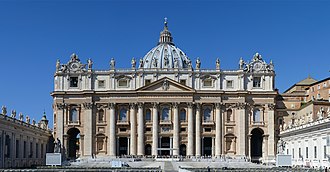
⛪Vatican City (St. Peter's Basilica)
The spiritual center of Roman Catholicism and home of the Pope.
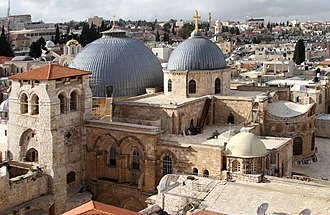
✝️Church of the Holy Sepulchre
The site where Jesus was crucified, buried, and resurrected.
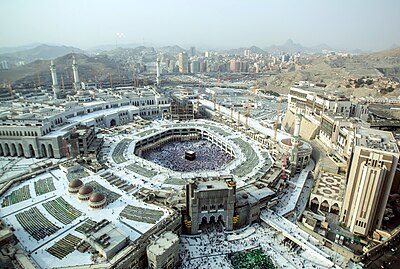
🕋Masjid al-Haram (Great Mosque of Mecca)
The holiest site in Islam, home of the Kaaba, and the destination for Hajj pilgrimage.
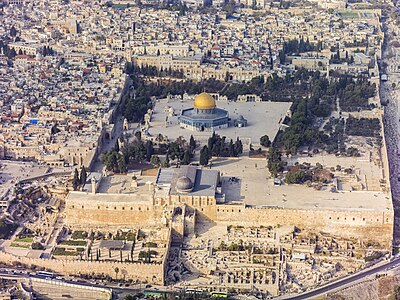
🕌Temple Mount / Al-Aqsa (Jerusalem)
Sacred to Judaism, Christianity, and Islam — the most contested holy site on Earth.

