🏛️ Cidade Velha
Cape Verde
About This Sacred Site
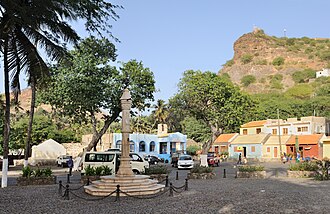
Cidade Velha (Old City), formerly Ribeira Grande, on Santiago Island is a UNESCO World Heritage Site and the oldest European colonial city in the tropics, founded by the Portuguese in 1462. The city served as a major hub in the transatlantic slave trade and became the first diocese in sub-Saharan Africa. The ruins of the Cathedral of Nossa Senhora do Rosário, the Fort Real de São Filipe, and the Pillory (where enslaved people were punished) tell the story of colonialism, slavery, and faith. The site has become a place of pilgrimage and reflection on the shared heritage of Africa, Europe, and the Americas.
History & Origins
Founded in 1462 as Ribeira Grande, Cidade Velha on Santiago Island is the oldest European colonial city in the tropics and a UNESCO World Heritage Site. It was the first European settlement in the tropics and served as a strategic port in the transatlantic slave trade. The city’s historical landmarks include the Fortress of São Filipe, built in the late 16th century to defend against pirates. Cidade Velha was a cultural and commercial hub during the Portuguese Empire, witnessing significant religious and social transformations. Although eclipsed by Praia in the 18th century, the city’s colonial architecture and ruins remain a powerful testament to Cape Verde’s complex colonial and religious history.
Spiritual Significance
Founded by the Portuguese in 1462, this UNESCO World Heritage Site is recognized as the oldest European city in the tropics and the location of the first Catholic diocese in sub-Saharan Africa, established in 1533. The city’s cathedral, Nossa Senhora do Rosário, serves as a focal point for the annual Festa do Rosário celebrated every October 7th with Masses featuring readings from the Book of Psalms and the Rosary prayers, emphasizing Marian devotion introduced by early missionaries. Pilgrims visit the ruins of the São Filipe Fortress and the old cathedral, where 16th-century inscriptions reference the Council of Trent’s influence on local catechism. Cidade Velha was pivotal in spreading Catholicism through missionary efforts to West Africa, documented in Jesuit letters from 1550. The site also commemorates the Feast of Saint James, reflecting its patron saint’s role in Portuguese maritime expansion and religious identity during the Age of Discovery.
Key Facts
- •UNESCO World Heritage Site, oldest European city in the tropics
- •Founded by the Portuguese in 1462
- •Became the first Catholic diocese in sub-Saharan Africa
- •Served as a major hub in the transatlantic slave trade
- •The Pillory remains as a memorial to the suffering of enslaved people
Location
Coordinates: 14.9167, -23.6167
Frequently Asked Questions
What religion is Cidade Velha associated with?▾
Cidade Velha is a Christianity holy site located in Cape Verde. It was established 1462 and is ranked #434 in our global directory of sacred sites.
When was Cidade Velha established?▾
Cidade Velha dates back to 1462. UNESCO World Heritage Site, oldest European city in the tropics
How many people visit Cidade Velha each year?▾
Cidade Velha receives approximately 30,000 visitors per year. Founded by the Portuguese in 1462
What is Cidade Velha known for?▾
UNESCO World Heritage former colonial capital, the oldest European city in the tropics. Visitors come seeking pilgrimage, ancestral connection, forgiveness. Became the first Catholic diocese in sub-Saharan Africa
Related Holy Sites
Sacred places connected by country, religion, and purpose
⛪Nossa Senhora da Graça
A hilltop church overlooking Mindelo harbor, spiritual symbol of São Vicente island.
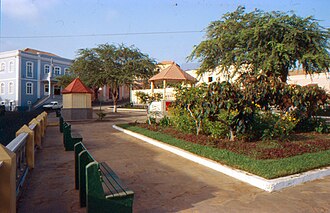
⛪São Filipe Church
A historic church in the shadow of the Fogo volcano on Cape Verde's fire island.
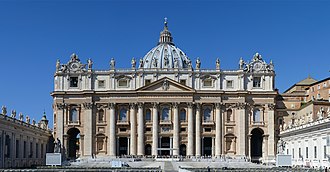
⛪Vatican City (St. Peter's Basilica)
The spiritual center of Roman Catholicism and home of the Pope.
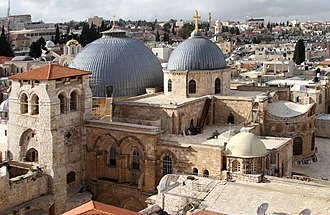
✝️Church of the Holy Sepulchre
The site where Jesus was crucified, buried, and resurrected.