🙏 Cap-de-la-Madeleine (Our Lady of the Cape Shrine)
Canada
About This Sacred Site
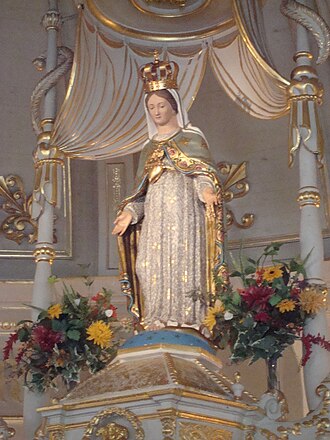
The Shrine of Our Lady of the Cape, located in Trois-Rivières, Quebec, is one of Canada's three national pilgrimage sites and its foremost Marian shrine. The site gained fame in 1888 when three witnesses, including a priest, reported seeing the eyes of the Madonna statue open and remain open for several minutes. The original stone chapel, built in 1714, is the oldest church on the St. Lawrence River still standing. The modern octagonal basilica, completed in 1964, seats 1,600 and is set amidst beautiful gardens along the St. Lawrence. The shrine attracts pilgrims seeking healing and spiritual renewal through devotion to the Blessed Virgin Mary.
History & Origins
The original chapel at Cap-de-la-Madeleine was constructed in 1714, making it the oldest church still standing on the St. Lawrence River. In 1888, the site gained fame due to the 'Miracle of the Eyes,' when multiple witnesses reported that the Madonna statue in the chapel appeared to open its eyes, an event documented by church authorities and local newspapers. The current basilica structure was built in the mid-20th century to accommodate growing pilgrimages, featuring Romanesque Revival architectural style with a large central dome and stained glass windows depicting Marian apparitions. The shrine was officially designated as a minor basilica by Pope Pius XII in 1954. The site has attracted millions of pilgrims annually since the 19th century, especially during the Feast of Our Lady of the Cape on September 8. Ongoing renovations in the 1980s and 2000s enhanced accessibility and preserved historic elements. The shrine hosts an extensive collection of votive offerings left by devotees.
Spiritual Significance
The shrine is devoted to Our Lady of the Cape, embodying Marian devotion rooted in the Catholic doctrine of the Immaculate Conception proclaimed in 1854. Pilgrims participate in processions, the Rosary prayer, and novenas during the September feast, which honors the Virgin Mary as protector and intercessor. The 'Miracle of the Eyes' is commemorated annually with special liturgies, reinforcing beliefs in Mary's ongoing presence and care. The shrine emphasizes the theological importance of Mary as Mediatrix, referencing biblical passages such as Luke 1:28 and John 2:1-11, the Wedding at Cana. Confessional services and Eucharistic adoration are integral, fostering spiritual renewal among visitors. The site also supports Marian pilgrimages linked to other Canadian Marian shrines, creating a network of devotion. Educational programs include catechesis on Marian dogmas and the role of Mary in salvation history, guided by teachings of Pope John Paul II and the Catechism of the Catholic Church.
Key Facts
- •The 1888 'Miracle of the Eyes' — witnesses reported the Madonna statue opening its eyes
- •The original 1714 chapel is the oldest church on the St. Lawrence still standing
- •One of Canada's three national pilgrimage sites
- •The modern basilica was completed in 1964 with a distinctive octagonal design
- •The 'Bridge of Rosaries' miracle of 1879 involved ice forming a bridge across the river
Location
Coordinates: 46.3547, -72.5172
Frequently Asked Questions
What religion is Cap-de-la-Madeleine (Our Lady of the Cape Shrine) associated with?▾
Cap-de-la-Madeleine (Our Lady of the Cape Shrine) is a Christianity holy site located in Canada. It was established 1714 (original chapel) and is ranked #624 in our global directory of sacred sites.
When was Cap-de-la-Madeleine (Our Lady of the Cape Shrine) established?▾
Cap-de-la-Madeleine (Our Lady of the Cape Shrine) dates back to 1714 (original chapel). The 1888 'Miracle of the Eyes' — witnesses reported the Madonna statue opening its eyes
How many people visit Cap-de-la-Madeleine (Our Lady of the Cape Shrine) each year?▾
Cap-de-la-Madeleine (Our Lady of the Cape Shrine) receives approximately 300,000 visitors per year. The original 1714 chapel is the oldest church on the St. Lawrence still standing
What is Cap-de-la-Madeleine (Our Lady of the Cape Shrine) known for?▾
Canada's national Marian shrine, site of a famous miracle where a statue opened its eyes. Visitors come seeking healing, miracles, blessings, pilgrimage. One of Canada's three national pilgrimage sites
Related Holy Sites
Sacred places connected by country, religion, and purpose
⛪Sainte-Anne-de-Beaupré Basilica
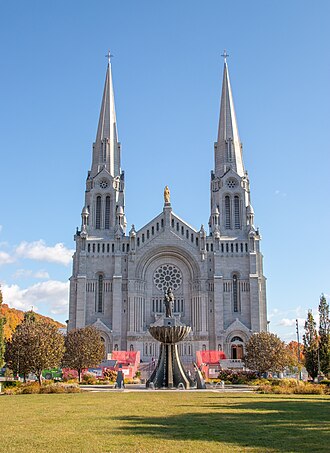
A major Canadian pilgrimage site known for miraculous healings since 1658.
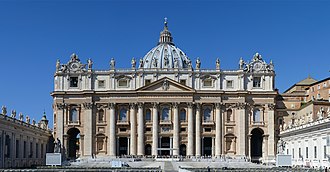
⛪Vatican City (St. Peter's Basilica)
The spiritual center of Roman Catholicism and home of the Pope.
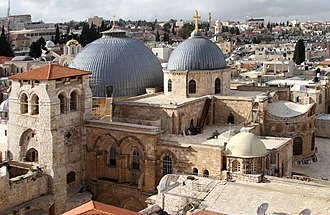
✝️Church of the Holy Sepulchre
The site where Jesus was crucified, buried, and resurrected.