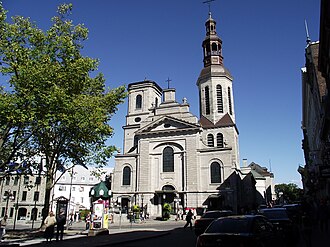
🙏 Basilica of Notre-Dame de Québec
Canada
About This Sacred Site
The Basilica of Notre-Dame de Québec is the oldest parish in North America, with its origins dating to 1647 when it served the tiny French colony. It was the first church in the Americas to be elevated to the status of minor basilica, in 1874. The current building, rebuilt after being destroyed during the British siege of 1759 and again by fire in 1922, features a stunning canopy inspired by St. Peter's Basilica in Rome. The basilica serves as the seat of the Roman Catholic Archdiocese of Quebec, the oldest diocese in North America. Four governors of New France are buried in its crypt, including Samuel de Champlain (though his exact burial location remains debated).
History & Origins
Established in 1647 as the oldest parish in North America, the church was originally constructed under the direction of the Sulpician Order in Quebec City. The current basilica structure dates primarily from the early 19th century after the original wooden church was destroyed during the British siege of 1759 in the Seven Years' War. It was rebuilt and consecrated in 1843, designed by architect Thomas Baillargé, featuring neoclassical elements and twin spires reaching 64 meters high. The church was elevated to the status of minor basilica in 1874 by Pope Pius IX, making it the first in the Americas to receive this designation. It suffered a major fire in 1922, leading to significant restoration and interior decoration efforts completed by 1927. The basilica houses the tomb of Saint François de Laval, the first bishop of New France, whose remains were transferred there in 1675. Today, it remains a central place of worship and pilgrimage in Quebec City, blending French colonial architecture with religious symbolism.
Spiritual Significance
The basilica serves as a spiritual center for Roman Catholicism in Canada, honoring Saint François de Laval, whose episcopal mission established the Catholic Church's presence in New France. Pilgrims often participate in the annual feast day celebrations on May 6, commemorating Laval's canonization. The basilica hosts the solemn Mass of the Nativity of the Blessed Virgin Mary on September 8, reflecting its dedication to Our Lady. The church's liturgical practices follow the Roman Rite, with special veneration of the Virgin Mary through the recitation of the Rosary and Marian hymns during monthly devotions. Scriptural readings from the Gospel of Luke, particularly the Annunciation narrative (Luke 1:26-38), are emphasized during festivals. The basilica also preserves several relics and sacred art pieces that inspire devotional activities. Confession and Eucharistic adoration are integral to its spiritual life, drawing faithful from across Quebec and beyond. Its architecture, including stained glass windows depicting biblical scenes, supports catechesis and reflection on Christian doctrine.
Key Facts
- •The oldest parish in North America, established in 1647
- •First church in the Americas elevated to minor basilica status (1874)
- •Destroyed twice — by the British siege of 1759 and by fire in 1922
- •The canopy over the altar was inspired by Bernini's baldachin in St. Peter's Basilica
- •Four governors of New France are buried in the crypt
Location
Coordinates: 46.8143, -71.2075
Frequently Asked Questions
What religion is Basilica of Notre-Dame de Québec associated with?▾
Basilica of Notre-Dame de Québec is a Christianity holy site located in Canada. It was established 1647 and is ranked #544 in our global directory of sacred sites.
When was Basilica of Notre-Dame de Québec established?▾
Basilica of Notre-Dame de Québec dates back to 1647. The oldest parish in North America, established in 1647
How many people visit Basilica of Notre-Dame de Québec each year?▾
Basilica of Notre-Dame de Québec receives approximately 500,000 visitors per year. First church in the Americas elevated to minor basilica status (1874)
What is Basilica of Notre-Dame de Québec known for?▾
The oldest parish church in North America and the first church elevated to basilica status in the Americas. Visitors come seeking blessings, pilgrimage, guidance, salvation. Destroyed twice — by the British siege of 1759 and by fire in 1922
Related Holy Sites
Sacred places connected by country, religion, and purpose
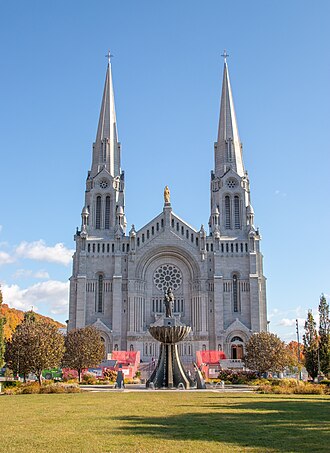
⛪Sainte-Anne-de-Beaupré Basilica
A major Canadian pilgrimage site known for miraculous healings since 1658.
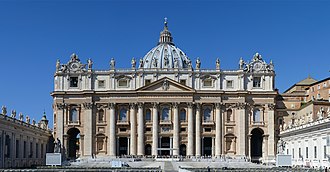
⛪Vatican City (St. Peter's Basilica)
The spiritual center of Roman Catholicism and home of the Pope.
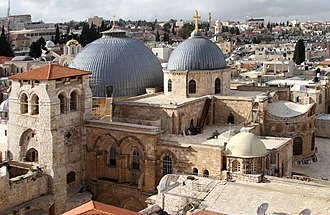
✝️Church of the Holy Sepulchre
The site where Jesus was crucified, buried, and resurrected.