
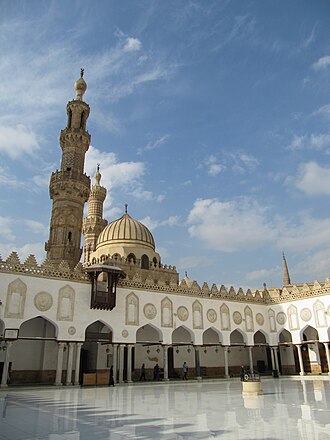
🕌 Al-Azhar Mosque
Egypt
About This Sacred Site
Al-Azhar Mosque in Cairo, founded in 970 CE by the Fatimid dynasty, is one of the most important mosques in the Islamic world. It houses Al-Azhar University, widely considered the oldest continuously operating university in the world, which has been the foremost center of Sunni Islamic learning for over a millennium. The Grand Imam of Al-Azhar is regarded as one of the highest authorities in Sunni Islam. The mosque's architecture spans multiple periods, with Fatimid, Mamluk, and Ottoman additions creating a layered history of Islamic art. Thousands of students from across the Muslim world still study Islamic theology, jurisprudence, and Arabic here.
History & Origins
Founded in 970 CE by the Fatimid Caliph Al-Mu'izz li-Din Allah in Cairo, Al-Azhar Mosque quickly became a center of Islamic learning and worship. Its attached university, established in 975 CE, is recognized as the world's oldest continuously operating degree-granting university, specializing in Sunni Islamic theology and jurisprudence. The mosque's architecture evolved through multiple periods, including Mamluk and Ottoman renovations, with notable additions such as minarets constructed in the 14th and 16th centuries. Al-Azhar played a critical role during the Islamic Golden Age and remains a key institution for Islamic scholarship and political authority. It has been a site of religious debate, reform movements, and the propagation of Sunni orthodoxy. Today, it functions both as a mosque hosting daily prayers and as a prestigious center for Islamic education and issuing fatwas.
Spiritual Significance
Al-Azhar Mosque serves as a spiritual and educational hub for Sunni Islam, where daily prayers (Salah) are led by the Grand Imam, a position regarded as one of the highest authorities in Sunni jurisprudence. The mosque hosts the annual Mawlid celebrations commemorating the Prophet Muhammad’s birth, featuring Quranic recitations and religious sermons. The institution is pivotal in interpreting Islamic law (Sharia) through its Fatwa Committee, influencing religious practices worldwide. Students engage in rigorous study of the Quran, Hadith, Fiqh, and Tafsir, following curricula based on classical Islamic texts like Sahih al-Bukhari and Al-Muwatta. Pilgrims and scholars visit Al-Azhar to seek spiritual guidance and advanced religious education, reinforcing its role as a beacon of Sunni orthodoxy and Islamic intellectual tradition.
Key Facts
- •Al-Azhar University, founded in 975 CE, is considered the world's oldest operating university
- •The Grand Imam of Al-Azhar is one of the highest authorities in Sunni Islam
- •Founded by the Fatimid dynasty in 970 CE, just one year after Cairo itself was established
- •The name 'Al-Azhar' (The Radiant) honors Fatimah al-Zahra, daughter of Prophet Muhammad
- •Students from over 100 countries study Islamic sciences here today
Location
Coordinates: 30.0456, 31.2627
Frequently Asked Questions
What religion is Al-Azhar Mosque associated with?▾
Al-Azhar Mosque is a Islam holy site located in Egypt. It was established 970 CE and is ranked #335 in our global directory of sacred sites.
When was Al-Azhar Mosque established?▾
Al-Azhar Mosque dates back to 970 CE. Al-Azhar University, founded in 975 CE, is considered the world's oldest operating university
How many people visit Al-Azhar Mosque each year?▾
Al-Azhar Mosque receives approximately 1+ million visitors per year. The Grand Imam of Al-Azhar is one of the highest authorities in Sunni Islam
What is Al-Azhar Mosque known for?▾
The world's oldest university and one of Islam's most important centers of learning. Visitors come seeking spiritual enlightenment, guidance, peace, pilgrimage. Founded by the Fatimid dynasty in 970 CE, just one year after Cairo itself was established
Related Holy Sites
Sacred places connected by country, religion, and purpose
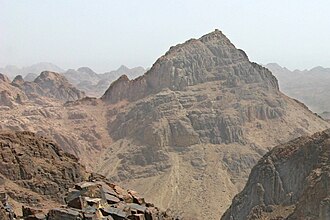
⛰️Mount Sinai (Jebel Musa)
Where Moses received the Ten Commandments from God.
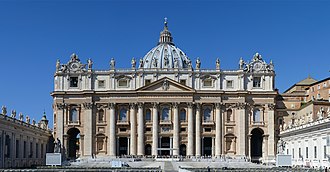
⛪Vatican City (St. Peter's Basilica)
The spiritual center of Roman Catholicism and home of the Pope.
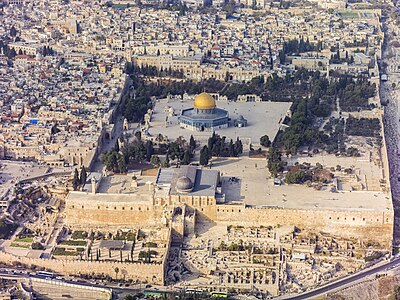
🕌Temple Mount / Al-Aqsa (Jerusalem)
Sacred to Judaism, Christianity, and Islam — the most contested holy site on Earth.

