
⛪ Abbey of Saint Gall
Switzerland
About This Sacred Site
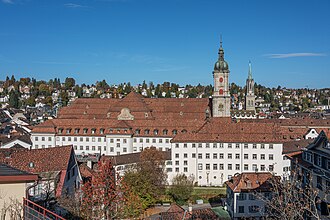
The Abbey of Saint Gall in St. Gallen, Switzerland, traces its origins to the hermitage of Irish monk Gallus in 612. It developed into one of the most influential medieval monasteries, renowned for its extensive library established in the 8th century, which is one of the richest medieval manuscript collections in the world. The Baroque cathedral, completed in the 18th century, features ornate frescoes, gilded altars, and elaborate stucco work. The Abbey complex has been a center of learning, culture, and spirituality for over a millennium and is recognized as a UNESCO World Heritage Site for its historical and architectural significance.
Spiritual Significance
Founded in 612 by the Irish monk Gallus who established a hermitage, the Abbey of Saint Gall became a center for Christian monasticism in the region. The Rule of Saint Benedict guided the daily rhythm of prayer, work, and study, with the Divine Office chanted in Latin multiple times daily in the abbey church. The abbey library, containing over 170,000 volumes and 2,100 manuscripts including texts from the 8th century, served as a spiritual and intellectual treasury, preserving early Christian scriptures and theological works. Pilgrims historically visited to venerate relics associated with Gallus and to seek spiritual counsel from the monastic community. The Baroque library hall, completed in the 18th century, symbolized the theological importance of knowledge in Christian life. Annual celebrations include the feast day of Saint Gall on October 16th, marked by liturgies and processions emphasizing monastic heritage and the intertwining of prayer and scholarship.
Key Facts
- •Founded in 612 as a hermitage by the Irish monk Gallus
- •The abbey library contains over 170,000 volumes and 2,100 manuscripts, some dating to the 8th century
- •The Baroque library hall (1758–1767) features a painted ceiling and the inscription 'Pharmacy for the Soul'
- •The St. Gall Plan (c. 820) is the oldest surviving architectural plan of a monastery
- •Inscribed as a UNESCO World Heritage Site in 1983
Location
Coordinates: 47.4233, 9.3771
Frequently Asked Questions
What religion is Abbey of Saint Gall associated with?▾
Abbey of Saint Gall is a Christianity holy site located in Switzerland. It was established 612 (library established 8th century) and is ranked #154 in our global directory of sacred sites.
When was Abbey of Saint Gall established?▾
Abbey of Saint Gall dates back to 612 (library established 8th century). Founded in 612 as a hermitage by the Irish monk Gallus
How many people visit Abbey of Saint Gall each year?▾
Abbey of Saint Gall receives approximately 300,000 visitors per year. The abbey library contains over 170,000 volumes and 2,100 manuscripts, some dating to the 8th century
What is Abbey of Saint Gall known for?▾
A Baroque abbey complex housing one of the world's oldest and richest monastic libraries. Visitors come seeking spiritual enlightenment, guidance, peace, blessings. The Baroque library hall (1758–1767) features a painted ceiling and the inscription 'Pharmacy for the Soul'
Related Holy Sites
Sacred places connected by country, religion, and purpose
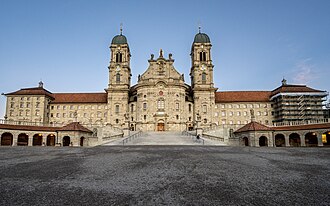
⛪Einsiedeln Abbey
Switzerland's principal pilgrimage site, a Benedictine abbey venerating the Black Madonna of Einsiedeln.
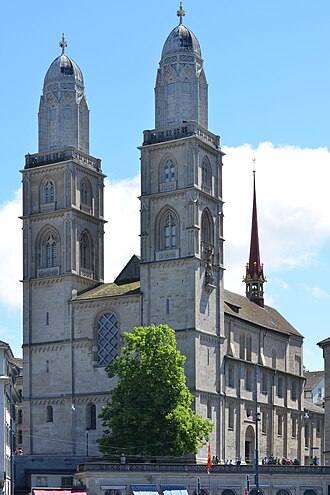
⛪Grossmünster (Zurich)
The Romanesque church in Zurich from which Huldrych Zwingli launched the Swiss Reformation.
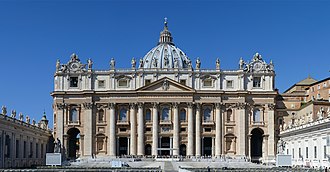
⛪Vatican City (St. Peter's Basilica)
The spiritual center of Roman Catholicism and home of the Pope.
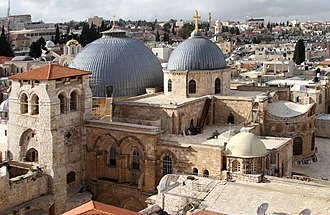
✝️Church of the Holy Sepulchre
The site where Jesus was crucified, buried, and resurrected.
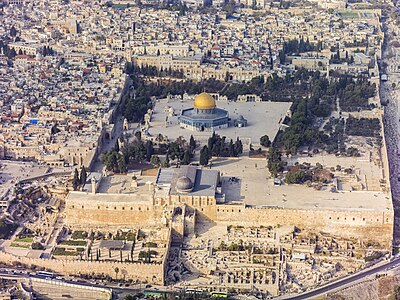
🕌Temple Mount / Al-Aqsa (Jerusalem)
Sacred to Judaism, Christianity, and Islam — the most contested holy site on Earth.
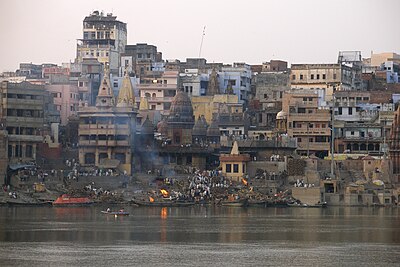
🙏Varanasi (Kashi Vishwanath Temple)
The holiest city in Hinduism, where the Ganges River purifies the soul.

