
Photographing Holy Sites: Etiquette, Tips, and When to Put the Camera Down
A photographer's guide to capturing sacred spaces respectfully — what's allowed, what's not, and how to get stunning images without offending.
Capturing the Sacred
Holy sites offer some of the most visually stunning subjects in the world — but photographing them requires sensitivity that goes beyond technical skill.
Universal Rules
Site-Specific Guidelines
Mosques: Remove shoes. No photography during prayer times. Women may need to cover their hair. Some mosques have separate areas for photography.
Hindu Temples: Many inner sanctums prohibit photography. Never photograph the main deity without permission. Remove shoes.
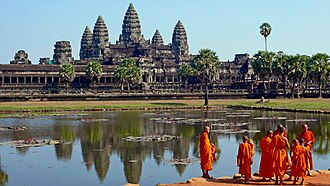
Buddhist Temples: Never pose with your back to a Buddha statue. Don't point your feet toward sacred objects. Photography is usually welcome in exterior areas.
Churches/Cathedrals: Most allow photography except during services. No tripods in most European cathedrals without permission.
Technical Tips
When to Put the Camera Down
The best moments at holy sites often can't be captured on camera. The Ganga Aarti at Varanasi, the call to prayer echoing through Istanbul, the silence at the Western Wall — sometimes the most sacred response is simply to be present.
The Paradox of Sacred Photography
Holy sites present photographers with a profound paradox: these are among the most visually stunning places on Earth, yet the qualities that make them sacred — devotion, mystery, communal prayer, individual suffering and hope — are precisely the things most likely to be diminished by the intrusive presence of a camera. Learning to photograph sacred spaces well means learning when not to photograph at all, and approaching every shot with the awareness that you are a guest in someone's most intimate spiritual space.
Universal Rules
Certain principles apply regardless of tradition or location. Never photograph people in prayer without explicit permission. Never use flash in sacred interiors — it is disruptive, disrespectful, and usually produces terrible results anyway. Turn off all camera sounds (shutter clicks, autofocus beeps). Never climb on, lean against, or touch sacred objects or structures for a better angle. And always check for posted photography policies before raising your camera — many sites that allow photography in general spaces prohibit it in specific sanctums, during services, or in areas containing sacred images.
Religion-Specific Guidelines
Islamic Sites
Photography policies at mosques vary widely. Turkey's major mosques (Blue Mosque, Hagia Sophia) generally permit photography except during prayer times. In Saudi Arabia, photography restrictions at the Holy Mosques are strict and enforced. In Iran, photography of mosque interiors is often encouraged (the Iranians are justifiably proud of their architecture), but photographing women without their explicit consent is never acceptable. At Sufi shrines across the Muslim world, photography during ecstatic worship (dhikr, qawwali) should be approached with extreme sensitivity.
Buddhist Sites
Most Buddhist temples welcome photography in outdoor areas and general temple grounds. However, many prohibit photography inside the main meditation hall (uposatha) or in rooms containing major Buddha images. In Myanmar, photography of sacred sites is generally allowed but photographing the top of the head of a Buddha image from above is considered deeply disrespectful. In Tibetan Buddhist contexts, photography of spiritual teachers should only be done with permission, as some lamas prefer not to be photographed during teachings.
Hindu Temples
Many Hindu temples in India prohibit photography inside the sanctum sanctorum (garbhagriha) entirely, and some prohibit cameras in the entire temple complex. This varies significantly by region — south Indian temples tend to be stricter, while some Rajasthani and Nepalese temples are more permissive. Never photograph cremation ceremonies at ghats unless you have been explicitly invited to do so by the family. The morning aarti ceremony at Varanasi's Dashashwamedh Ghat is one situation where photography is generally acceptable, as the ceremony is partly performed as public devotional theater.
Christian Sites
Catholic churches generally permit photography when services are not in progress, though flash is usually prohibited. Orthodox churches may prohibit photography entirely, particularly of icons, which are considered holy objects rather than artworks. In Ethiopia's rock-hewn churches, photography is sometimes allowed for a fee but may be prohibited during services or in churches containing particularly sacred items like the Ark of the Covenant replica at each church.
Technical Tips for Sacred Spaces
Sacred architecture tends to feature dramatic contrast between bright windows and dark interiors. Use HDR mode or bracket exposures to capture both. A fast wide-angle lens (f/2.8 or wider) is essential for interiors where flash is prohibited. Learn to brace your camera against doorframes or pillars to enable slower shutter speeds without a tripod (tripods are prohibited in most sacred sites). Shoot during golden hour for exteriors — the warm light on stone creates images that convey the warmth and gravitas of these buildings better than harsh midday sun.
The Ethics of Sacred Photography
Consider why you are taking each photograph. Is it to share the beauty and significance of a sacred place, or is it to generate social media content? The answer matters, because it shapes how you behave while shooting. The best sacred-site photographers describe their approach as devotional — a form of visual prayer that seeks to reveal the spirit of a place rather than exploit it. If your photography practice at a holy site doesn't leave you feeling more contemplative than when you arrived, something has gone wrong.

