🌳 Tree of Life (Bahrain)
Bahrain
About This Sacred Site
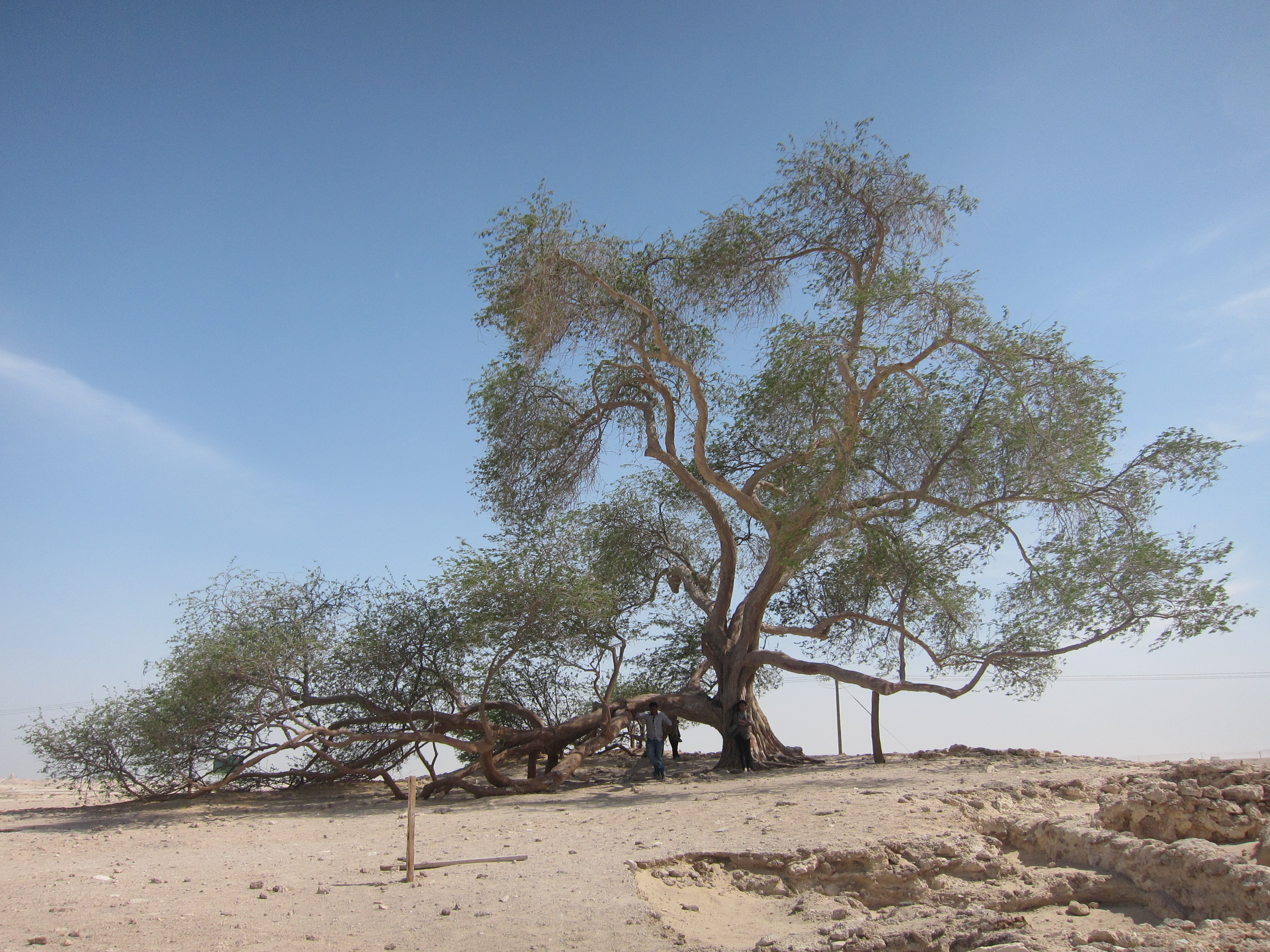
The Tree of Life is a solitary 400-year-old Prosopis cineraria tree standing in the barren desert of southern Bahrain, kilometers from any obvious water source. The tree's survival in such harsh conditions has led to various spiritual interpretations: some believe it marks the site of the Garden of Eden, while others see it as a miracle of nature sustained by divine will. Local Bedouin traditions hold the tree sacred, and it attracts visitors from around the world who marvel at its seemingly impossible existence.
Spiritual Significance
The Tree of Life, estimated to be approximately 400 years old and flourishing alone in Bahrain's desert without an obvious water source, holds profound spiritual symbolism in local and regional beliefs. Some traditions associate the tree with the biblical Garden of Eden, making it a pilgrimage site for those seeking a tangible connection to scriptural narratives. Its resilience has inspired rituals invoking divine protection and blessings, including annual gatherings where prayers are recited for sustenance and life. The tree attracts multi-faith pilgrims, reflecting Bahrain's diverse religious heritage, and serves as a symbol of endurance in Islamic and indigenous spiritual teachings. The site is also linked to oral histories that emphasize the tree's role in sustaining life and serving as a spiritual beacon amid harsh environmental conditions.
Key Facts
- •Approximately 400 years old, standing alone in the desert
- •Survives without any obvious water source
- •Some believe it marks the location of the Garden of Eden
- •Attracts approximately 50,000 visitors per year
- •Stands about 10 meters tall as a Prosopis cineraria species
Location
Coordinates: 25.9940, 50.5832
Frequently Asked Questions
What religion is Tree of Life (Bahrain) associated with?▾
Tree of Life (Bahrain) is a Multi-faith holy site located in Bahrain. It was established c. 1600 CE and is ranked #829 in our global directory of sacred sites.
When was Tree of Life (Bahrain) established?▾
Tree of Life (Bahrain) dates back to c. 1600 CE. Approximately 400 years old, standing alone in the desert
How many people visit Tree of Life (Bahrain) each year?▾
Tree of Life (Bahrain) receives approximately 50,000 visitors per year. Survives without any obvious water source
What is Tree of Life (Bahrain) known for?▾
A 400-year-old tree thriving alone in the desert, considered miraculous by many traditions. Visitors come seeking miracles, healing, spiritual enlightenment, guidance. Some believe it marks the location of the Garden of Eden
Related Holy Sites
Sacred places connected by country, religion, and purpose
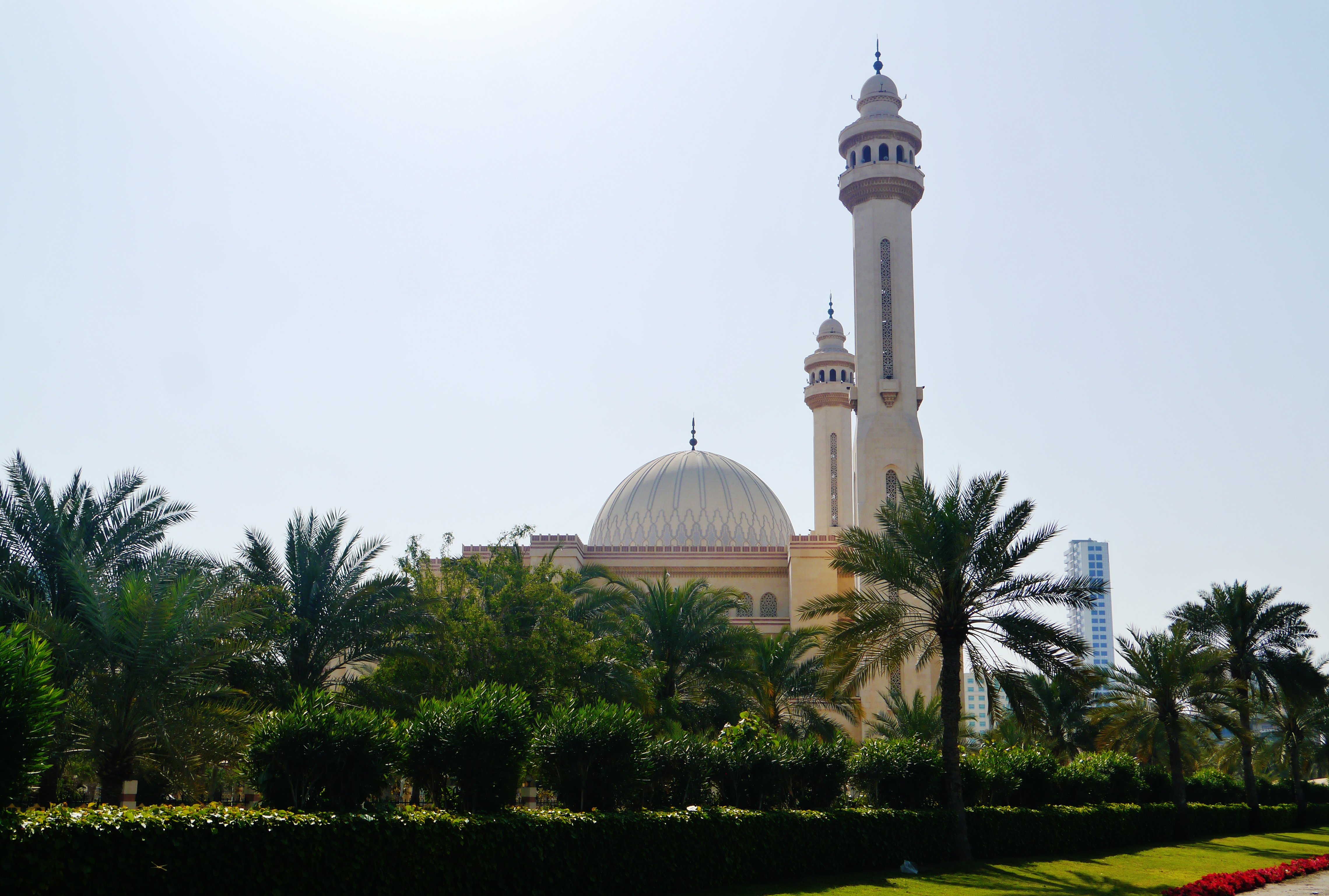
🕌Al Fateh Grand Mosque
Bahrain's largest mosque, notable for its fiberglass dome and welcoming interfaith approach.
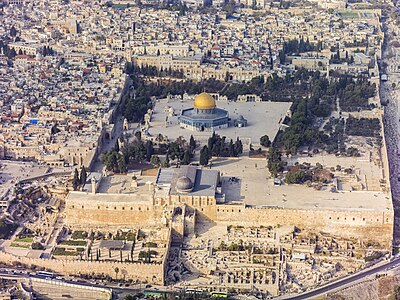
🕌Temple Mount / Al-Aqsa (Jerusalem)
Sacred to Judaism, Christianity, and Islam — the most contested holy site on Earth.
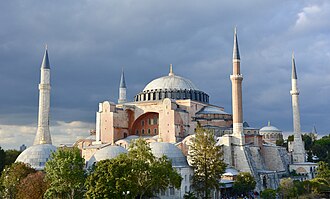
🏛️Hagia Sophia
A masterpiece that served as cathedral, mosque, and museum across centuries.