

🕉️ Temple in the Sea
Trinidad and Tobago
About This Sacred Site
The Temple in the Sea at Waterloo, Trinidad, is one of the most remarkable Hindu temples in the Caribbean. It was originally built single-handedly by Siewdass Sadhu, an indentured laborer's descendant who, denied permission to build a temple on land, spent 25 years (1947-1972) constructing one in the mudflats of the Gulf of Paria. The original structure collapsed but was rebuilt in 1995 using concrete and stone. Today it stands as a powerful symbol of Hindu devotion and the perseverance of Trinidad's Indian-heritage community.
History & Origins
The Temple in the Sea was originally constructed between 1947 and 1972 by Siewdass Sadhu, an indentured laborer of Indian origin who was denied land to build a temple by the colonial authorities of Trinidad and Tobago. Sadhu personally reclaimed land from the sea in Waterloo, near San Fernando, to erect a Hindu temple, symbolizing resistance against colonial marginalization. The original temple collapsed in 1977 due to sea erosion, but the community rebuilt it in 1995 with reinforced concrete, maintaining the original design. The temple is situated on a man-made jetty extending 250 meters into the Gulf of Paria, making it unique in the Caribbean. It is recognized as a heritage site reflecting the Indian indenture legacy in Trinidad and Tobago and represents a milestone in Hindu architecture outside India.
Spiritual Significance
The temple serves as a focal point for the worship of Lord Shiva, with daily rituals including the chanting of the Shiva Purana and the recitation of Sanskrit mantras. Devotees perform the Maha Shivaratri festival annually, drawing pilgrims who fast and offer bilva leaves to the Shiva Lingam. The temple's location in the sea symbolizes the cosmic ocean described in Hindu cosmology, linking terrestrial worship to the sacred waters. The temple follows orthodox Hindu rituals and is influenced by the teachings of the Vedas and Upanishads, emphasizing dharma and moksha. Pilgrims often circumambulate the temple pier, reflecting the pradakshina practice, and participate in bhajan singing sessions held during major festivals.
Key Facts
- •Originally built by one man, Siewdass Sadhu, over 25 years
- •Sadhu was denied land to build a temple due to his indentured background
- •The original temple collapsed and was rebuilt in 1995
- •Located in the Gulf of Paria at Waterloo, Trinidad
- •A symbol of Hindu perseverance in the Caribbean
Location
Coordinates: 10.4167, -61.4667
Frequently Asked Questions
What religion is Temple in the Sea associated with?▾
Temple in the Sea is a Hinduism holy site located in Trinidad and Tobago. It was established 1947 (original); 1995 (rebuilt) and is ranked #905 in our global directory of sacred sites.
When was Temple in the Sea established?▾
Temple in the Sea dates back to 1947 (original); 1995 (rebuilt). Originally built by one man, Siewdass Sadhu, over 25 years
How many people visit Temple in the Sea each year?▾
Temple in the Sea receives approximately 100,000 visitors per year. Sadhu was denied land to build a temple due to his indentured background
What is Temple in the Sea known for?▾
A Hindu temple built in the sea by a single devoted worshipper denied land to build on. Visitors come seeking spiritual enlightenment, peace, pilgrimage. The original temple collapsed and was rebuilt in 1995
Related Holy Sites
Sacred places connected by country, religion, and purpose

⛪Holy Rosary Church, Port of Spain
A prominent Catholic church reflecting Trinidad's rich multi-faith heritage.

🕌Jinnah Memorial Mosque
The largest mosque in the Caribbean, located in the heart of Port of Spain.
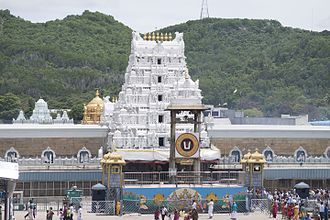
🛕Tirupati (Tirumala Venkateswara Temple)
The richest and most visited Hindu temple in the world.
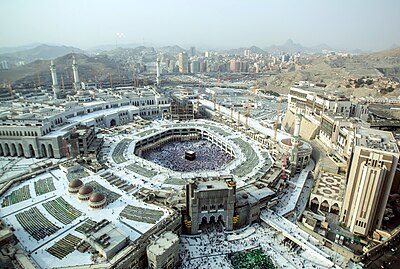
🕋Masjid al-Haram (Great Mosque of Mecca)
The holiest site in Islam, home of the Kaaba, and the destination for Hajj pilgrimage.
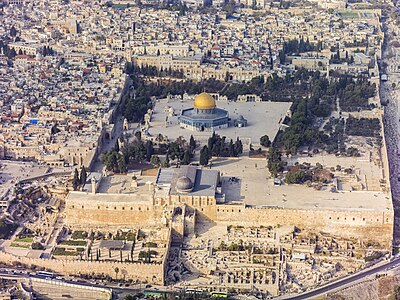
🕌Temple Mount / Al-Aqsa (Jerusalem)
Sacred to Judaism, Christianity, and Islam — the most contested holy site on Earth.

