
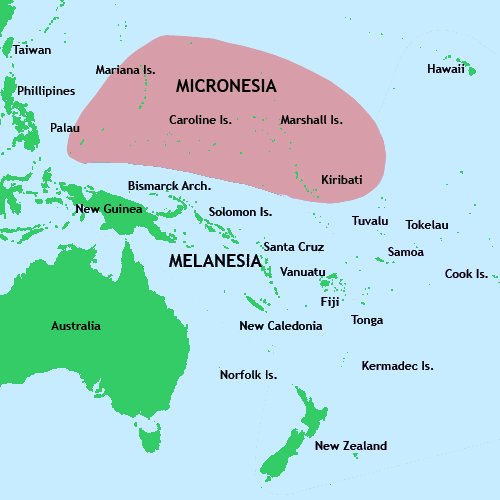
🏛️ Lelu Ruins, Kosrae
Micronesia
About This Sacred Site
The Lelu ruins on Kosrae island are the remains of an ancient walled city that served as the seat of the Kosraean paramount chiefs, the Tokosra. Built from massive basalt walls, some reaching five meters in height, the city contained royal compounds, temples, and sacred areas. Constructed between the 14th and 19th centuries, Lelu was contemporary with Nan Madol on Pohnpei and represents a similar tradition of megalithic construction in Micronesia. The ruins are overgrown with tropical vegetation, adding to their mystical atmosphere.
History & Origins
The Lelu Ruins on Kosrae date to approximately the 14th century and served as the seat of the island's paramount chiefs, known as Tokosra. The site is characterized by massive basalt walls reaching up to 5 meters in height, constructed using locally quarried volcanic stone. Construction at Lelu continued over several centuries, spanning from the 14th through the 19th centuries, with expansions reflecting shifts in political power. The ruins include residential compounds, ceremonial platforms, and defensive fortifications. Lelu was the political and religious center of Kosrae before European contact, with the Tokosra exercising centralized governance from this complex. Archaeological investigations in the 20th century revealed artifacts linked to inter-island trade networks, indicating Lelu's importance in regional commerce. The site experienced decline following missionary influence and colonial administration in the late 19th century but remains a key cultural heritage site under Kosrae state protection.
Spiritual Significance
Lelu functioned as the spiritual heart of Kosrae's traditional society, where the Tokosra and their priestly advisors conducted rituals to legitimize political authority and maintain social harmony. Ceremonial activities included offerings to ancestral deities and nature spirits, often performed on basalt platforms within the ruins. The site hosted annual festivals aligned with agricultural cycles, such as yam planting and harvest rituals, featuring chants and dances invoking Kosraean cosmology. Pilgrims traveled to the ruins to receive blessings and participate in rites aimed at ensuring community wellbeing, guided by sacerdotal leaders who preserved oral histories and sacred chants. The walls themselves were believed to channel spiritual energy, symbolizing protection and the continuity of chiefdom lineages. Contemporary Kosraean cultural revival efforts incorporate Lelu's heritage in educational programs emphasizing indigenous religious practices connected to the site.
Key Facts
- •Served as the seat of Kosrae's paramount chiefs (Tokosra)
- •Built from massive basalt walls up to 5 meters high
- •Constructed between the 14th and 19th centuries
- •Contemporary with Nan Madol on Pohnpei
- •The ruins are now overgrown with tropical vegetation
Location
Coordinates: 5.3333, 163.0167
Frequently Asked Questions
What religion is Lelu Ruins, Kosrae associated with?▾
Lelu Ruins, Kosrae is a Indigenous holy site located in Micronesia. It was established c. 14th century and is ranked #860 in our global directory of sacred sites.
When was Lelu Ruins, Kosrae established?▾
Lelu Ruins, Kosrae dates back to c. 14th century. Served as the seat of Kosrae's paramount chiefs (Tokosra)
How many people visit Lelu Ruins, Kosrae each year?▾
Lelu Ruins, Kosrae receives approximately 3,000 visitors per year. Built from massive basalt walls up to 5 meters high
What is Lelu Ruins, Kosrae known for?▾
Ruins of a walled city and ancient seat of the Kosraean paramount chiefs. Visitors come seeking ancestral connection, spiritual enlightenment, guidance. Constructed between the 14th and 19th centuries
Related Holy Sites
Sacred places connected by country, religion, and purpose

🏛️Nan Madol
A mysterious ruined city of artificial islands, often called 'the Venice of the Pacific.'
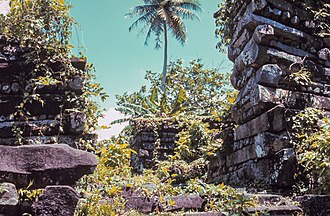
🏛️Nan Madol Ruins
Mysterious ancient city of stone temples built on artificial islands off Pohnpei, a UNESCO World Heritage Site.
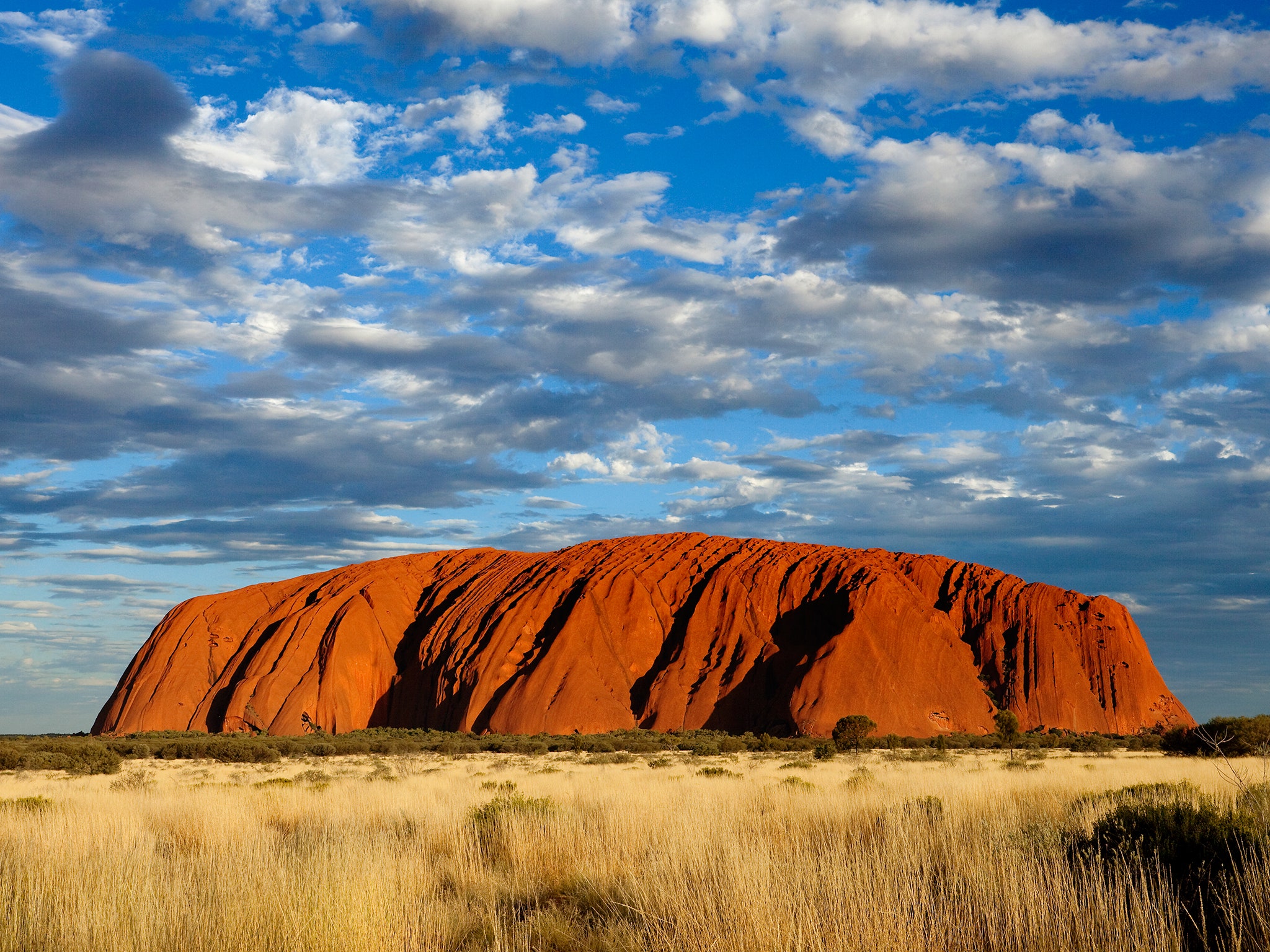
🪨Uluru (Ayers Rock)
A sacred monolith central to Aboriginal Australian creation stories.
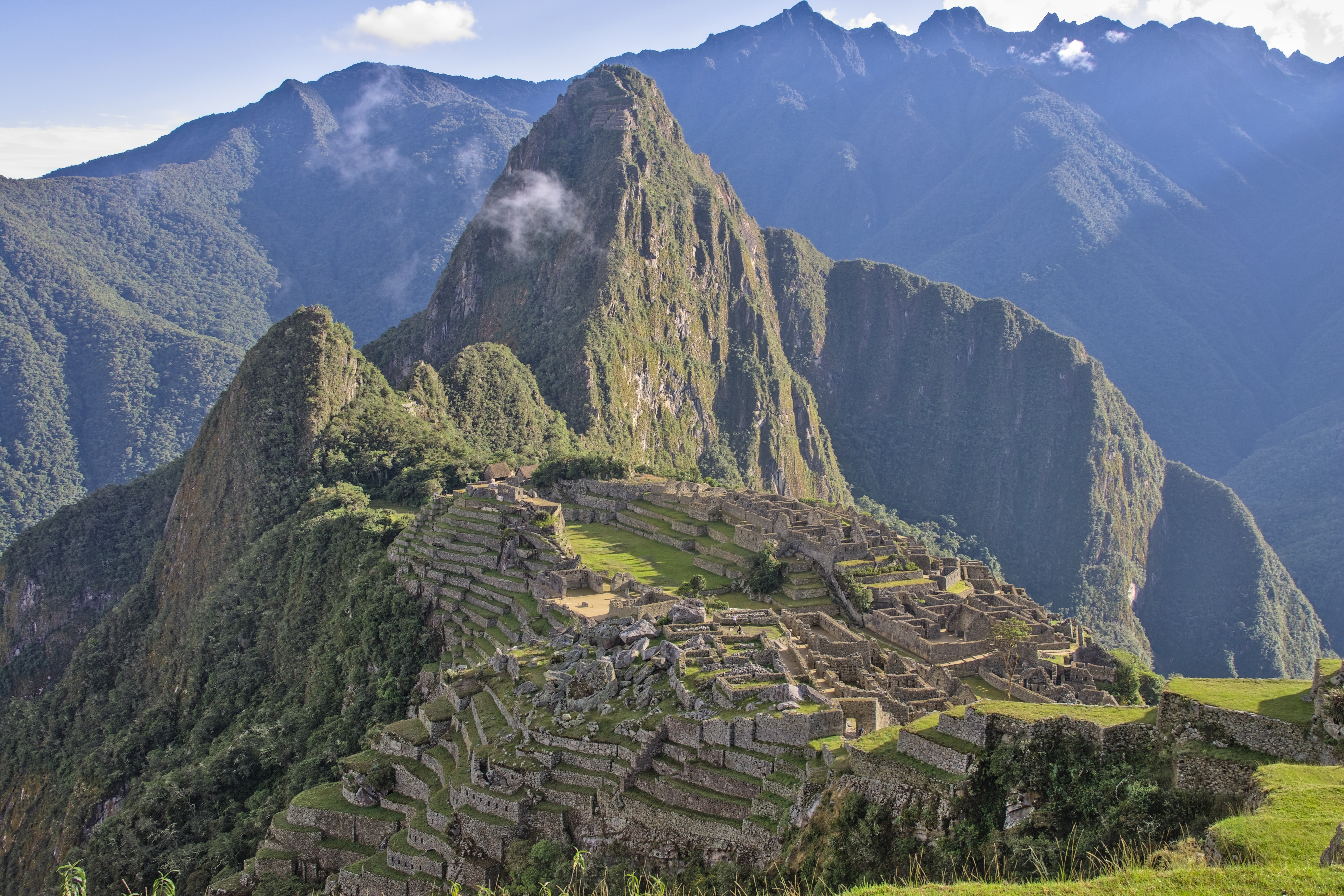
🏔️Machu Picchu
A sacred Inca citadel set high in the Andes, aligned with astronomical events.
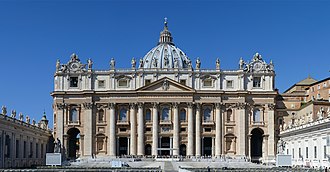
⛪Vatican City (St. Peter's Basilica)
The spiritual center of Roman Catholicism and home of the Pope.
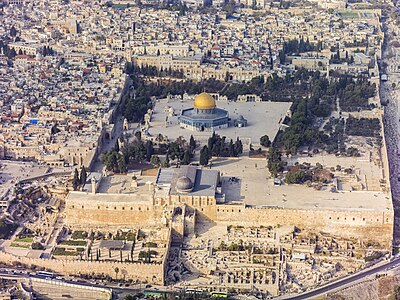
🕌Temple Mount / Al-Aqsa (Jerusalem)
Sacred to Judaism, Christianity, and Islam — the most contested holy site on Earth.

