⛪ Hallgrímskirkja (Reykjavík)
Iceland
About This Sacred Site
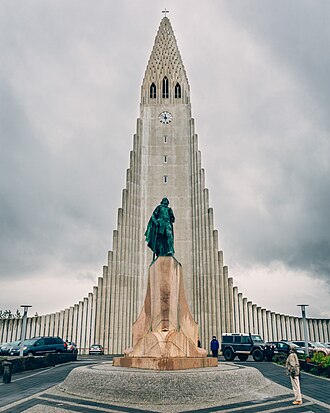
Hallgrímskirkja is the largest church in Iceland and one of the tallest structures in the country at 74.5 meters. Designed by Guðjón Samúelsson in 1937 and completed in 1986, its dramatic Expressionist concrete facade is inspired by the basalt lava columns found in Icelandic nature. Named after the 17th-century hymn writer Hallgrímur Pétursson, the church stands atop a hill in central Reykjavík and houses a massive 5,275-pipe organ. The tower observation deck offers panoramic views of the city.
Spiritual Significance
At 74.5 meters tall, it is the tallest church in Iceland, symbolizing a spiritual reaching towards heaven, and one of the country's tallest buildings, dominating Reykjavík's skyline. Designed in 1937 by Guðjón Samúelsson, its construction took 41 years, from 1945 to 1986, reflecting Iceland's evolving religious and national identity. The church is dedicated to Hallgrímur Pétursson, author of the 17th-century Passion Hymns, which are integral to Icelandic Lutheran worship and are performed during the annual Passion Week services. Its façade, inspired by Iceland's basalt lava flows, connects Christian spirituality with the country's geological heritage. The sanctuary houses a 15-ton pipe organ built by German organ builder Johannes Klais, which is central to musical worship and attracts organists worldwide. Pilgrims and visitors ascend the tower's observation deck for panoramic views, a practice seen as a metaphor for spiritual elevation. The church hosts regular Sunday services, Christmas concerts, and the national confirmation ceremonies, emphasizing its role in Iceland's Lutheran tradition and community life.
Key Facts
- •At 74.5 meters, it is the tallest church in Iceland and one of the country's tallest buildings
- •Designed in 1937 but took 41 years to build, from 1945 to 1986
- •The facade is inspired by Iceland's basalt column formations like those at Svartifoss waterfall
- •Houses a 5,275-pipe organ built by the German firm Klais and weighing 25 tons
- •Named after Hallgrímur Pétursson, author of Iceland's beloved 'Passion Hymns' (1659)
Location
Coordinates: 64.1417, -21.9267
Frequently Asked Questions
What religion is Hallgrímskirkja (Reykjavík) associated with?▾
Hallgrímskirkja (Reykjavík) is a Christianity holy site located in Iceland. It was established 1986 and is ranked #614 in our global directory of sacred sites.
When was Hallgrímskirkja (Reykjavík) established?▾
Hallgrímskirkja (Reykjavík) dates back to 1986. At 74.5 meters, it is the tallest church in Iceland and one of the country's tallest buildings
How many people visit Hallgrímskirkja (Reykjavík) each year?▾
Hallgrímskirkja (Reykjavík) receives approximately 600,000 visitors per year. Designed in 1937 but took 41 years to build, from 1945 to 1986
What is Hallgrímskirkja (Reykjavík) known for?▾
Iceland's tallest church, an Expressionist landmark whose facade evokes basalt lava columns. Visitors come seeking peace, spiritual enlightenment, guidance, blessings. The facade is inspired by Iceland's basalt column formations like those at Svartifoss waterfall
Related Holy Sites
Sacred places connected by country, religion, and purpose
⛪Skálholt
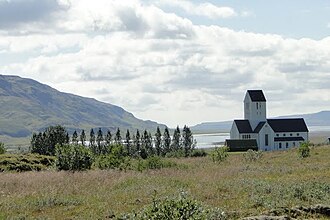
The historic seat of Iceland's first bishopric and the country's cultural capital for 700 years.
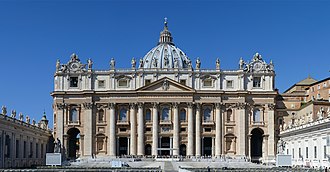
⛪Vatican City (St. Peter's Basilica)
The spiritual center of Roman Catholicism and home of the Pope.
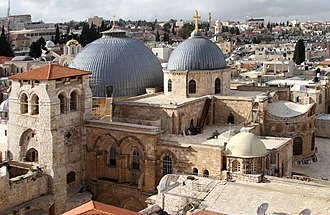
✝️Church of the Holy Sepulchre
The site where Jesus was crucified, buried, and resurrected.