
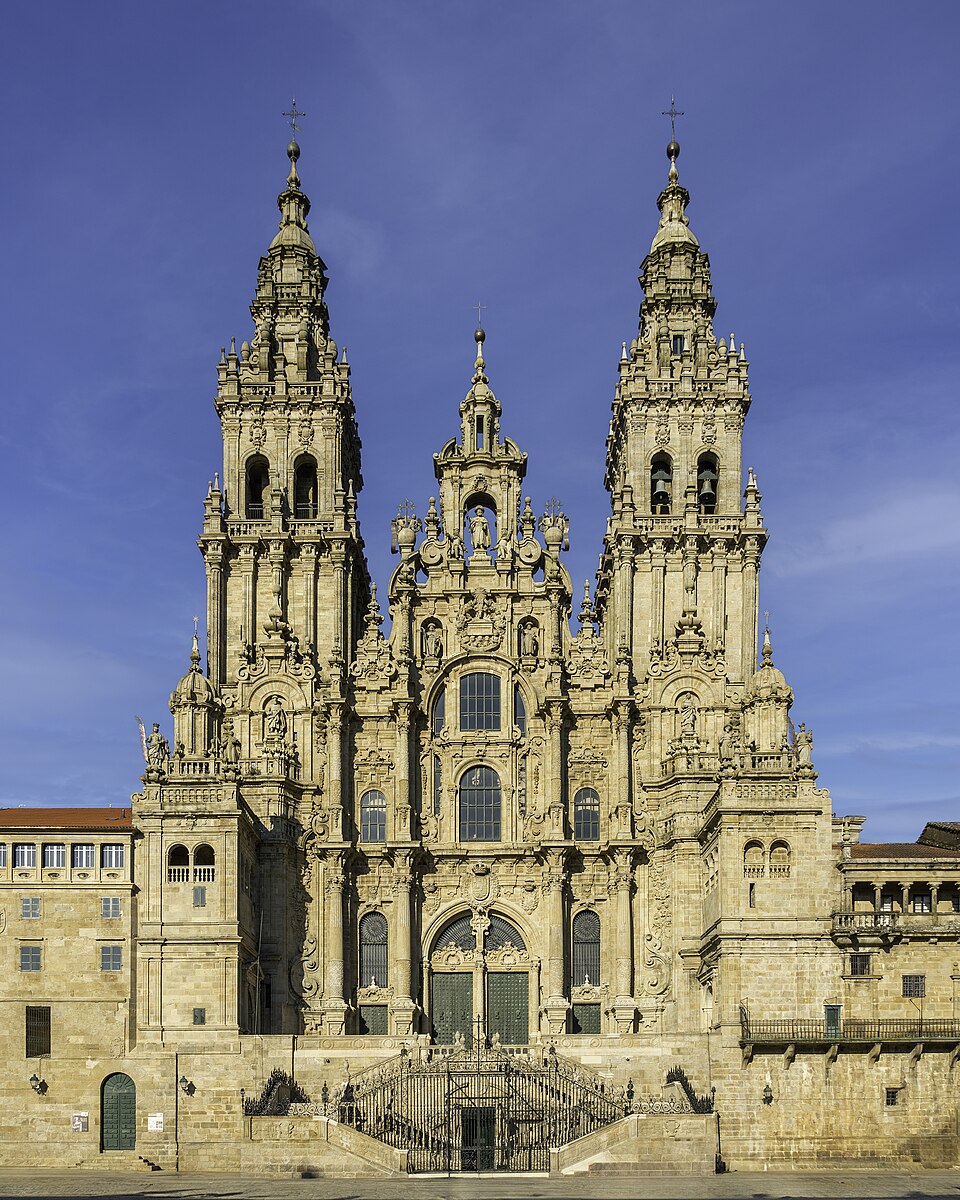
Walking the Camino de Santiago: A Beginner's Complete Guide
Planning your first Camino? Here's everything you need — routes, packing lists, training tips, and what to expect on Europe's most famous pilgrimage.
What is the Camino?
The Camino de Santiago (Way of St. James) is a network of pilgrimage routes across Europe, all leading to the Cathedral of Santiago de Compostela in northwestern Spain, where the remains of the apostle Saint James are believed to be buried.
Over 300,000 pilgrims complete the journey annually, making it one of the world's most popular pilgrimages.
Choosing Your Route
Camino Francés (French Way): The most popular route, 780 km from St-Jean-Pied-de-Port in France. Takes 30-35 days. Best infrastructure and fellow pilgrims.
Camino Portugués: 620 km from Lisbon or 240 km from Porto. Quieter, beautiful coastal variant available.
Camino del Norte: 825 km along Spain's northern coast. More challenging terrain but stunning scenery and fewer crowds.
Minimum for Compostela certificate: 100 km walking or 200 km cycling.
What to Pack
The golden rule: your pack should weigh no more than 10% of your body weight.
Essentials: Two sets of walking clothes, rain gear, comfortable broken-in shoes, sleeping bag liner, basic first aid (especially blister care), refillable water bottle, credential (pilgrimage passport).
Leave behind: Laptop, more than 2 books, heavy toiletries, "just in case" clothing.
Training
Start training 3 months before departure. Begin with 5 km daily walks and gradually increase to 20-25 km with your loaded backpack. Train on hills if your route includes mountain passes.
Daily Life on the Camino
A typical day: wake at 6am, walk 20-25 km, arrive at your destination by early afternoon, rest, explore the town, eat a communal pilgrim dinner, sleep in an albergue (hostel). Repeat.
The rhythm becomes meditative. By week two, most pilgrims report a shift — the mental chatter quiets, and each day becomes beautifully simple: walk, eat, sleep, connect.
Buen Camino!
The traditional greeting between pilgrims — "Buen Camino!" (Good Way!) — captures the spirit perfectly. The Camino is not a race but a journey. Walk at your own pace, be open to fellow travelers, and trust the path.
What Is the Camino de Santiago?
The Camino de Santiago (Way of Saint James) is a network of ancient pilgrimage routes converging on the Cathedral of Santiago de Compostela in northwestern Spain, where tradition holds that the remains of the Apostle James are buried. Pilgrims have walked these paths for over a thousand years, making the Camino one of the most enduring pilgrimage traditions in Christianity and one of only three pilgrimages that could earn a plenary indulgence in medieval Catholic practice (along with Rome and Jerusalem).
Choosing Your Route
Camino Francés (French Way) — 780 km, 30-35 days
The most popular route, starting in Saint-Jean-Pied-de-Port on the French border. It crosses the Pyrenees, traverses the Meseta (Spain's vast central plateau), and passes through historic cities including Pamplona, Burgos, and León. About 60 percent of all pilgrims choose this route, meaning you will always have company and infrastructure is excellent.
Camino Portugués — 620 km (or 240 km from Porto), 25-30 days
Starting in Lisbon, this route follows the Atlantic coast through Portugal into Galicia. The shorter variant from Porto takes about 10 to 12 days and offers a good balance of challenge and accessibility. The coastal variant from Porto is particularly scenic.
Camino del Norte (Northern Way) — 825 km, 34-38 days
Following the Bay of Biscay coast, this is the original medieval route but less traveled today. It offers dramatic ocean scenery, Basque culture, and significantly more solitude than the Francés. The terrain is more challenging, with frequent steep ascents and descents along the coastal cliffs.
Camino Primitivo (Original Way) — 321 km, 14-16 days
The oldest documented route, established by King Alfonso II of Asturias in the 9th century. Starting in Oviedo, it crosses wild mountain terrain with spectacular views. This is considered the most physically demanding major route but also one of the most rewarding.
The Minimum Distance: Earning Your Compostela
To receive the Compostela — the official certificate of pilgrimage completion — you must walk at least the final 100 kilometers (from Sarria) or cycle the final 200 kilometers. You must carry a credencial (pilgrim passport) stamped at least twice daily at accommodations, churches, or official stamp points along the route. The Compostela is free and can be collected at the Pilgrim Office in Santiago.
What to Pack
Experienced Camino pilgrims follow one rule above all others: your pack should weigh no more than 10 percent of your body weight. This means ruthless minimalism.
Essentials: Two sets of quick-dry clothing, rain jacket, comfortable broken-in trail shoes (not new), flip-flops for evenings, sleeping bag liner (most albergues provide blankets), basic toiletries, headlamp, water bottle, sunscreen, and your credencial. A walking stick or trekking poles significantly reduce knee strain, especially on the Pyrenees crossing and Meseta descent.
Common mistakes: Packing too many clothes, bringing a heavy sleeping bag (unnecessary except in winter), carrying a laptop (phone is sufficient), and wearing brand-new boots (blisters are the number one reason pilgrims abandon the Camino).
Accommodation and Budget
Albergues (pilgrim hostels): Municipal albergues cost 6 to 12 euros per night and offer dormitory bunks, communal kitchens, and shared bathrooms. Private albergues are 12 to 25 euros and may offer smaller rooms. These are available only to pilgrims with a credencial and typically operate on a first-come, first-served basis, opening in the early afternoon.
Budget: Including accommodation, food (a mix of communal cooking and restaurant pilgrim menus at 10 to 13 euros), and occasional coffee stops, most pilgrims spend 25 to 45 euros per day. The fixed-price "menú del peregrino" (pilgrim menu) offered at restaurants along the route typically includes a first course, main course, dessert, bread, and wine or water for 10 to 13 euros.
The Social Experience
One of the Camino's greatest rewards is its social dimension. You will walk alongside people from over 100 countries, of every age, faith, and background. The Camino creates a temporary community unlike anything in normal life — conversations go deep quickly, and lifelong friendships are forged over shared meals and blisters. The phrase "Buen Camino" (good way), exchanged between every passing pilgrim, becomes a mantra that carries surprising emotional weight by the journey's end.
When to Go
Peak season (June-September): Warm weather, longest daylight, but crowded. Albergues may fill by early afternoon on the Francés route. Book ahead or start walking early.
Shoulder season (April-May, October): Ideal conditions. Moderate temperatures, fewer crowds, wildflowers in spring, harvest colors in autumn. Some albergues may be closed in late October.
Winter (November-March): Cold, wet, and many services closed, but profoundly peaceful. Only 5 percent of annual pilgrims walk in winter, offering near-solitude on trails that are packed in summer.

