🕉️ Temple in the Sea Waterloo
Trinidad and Tobago
About This Sacred Site
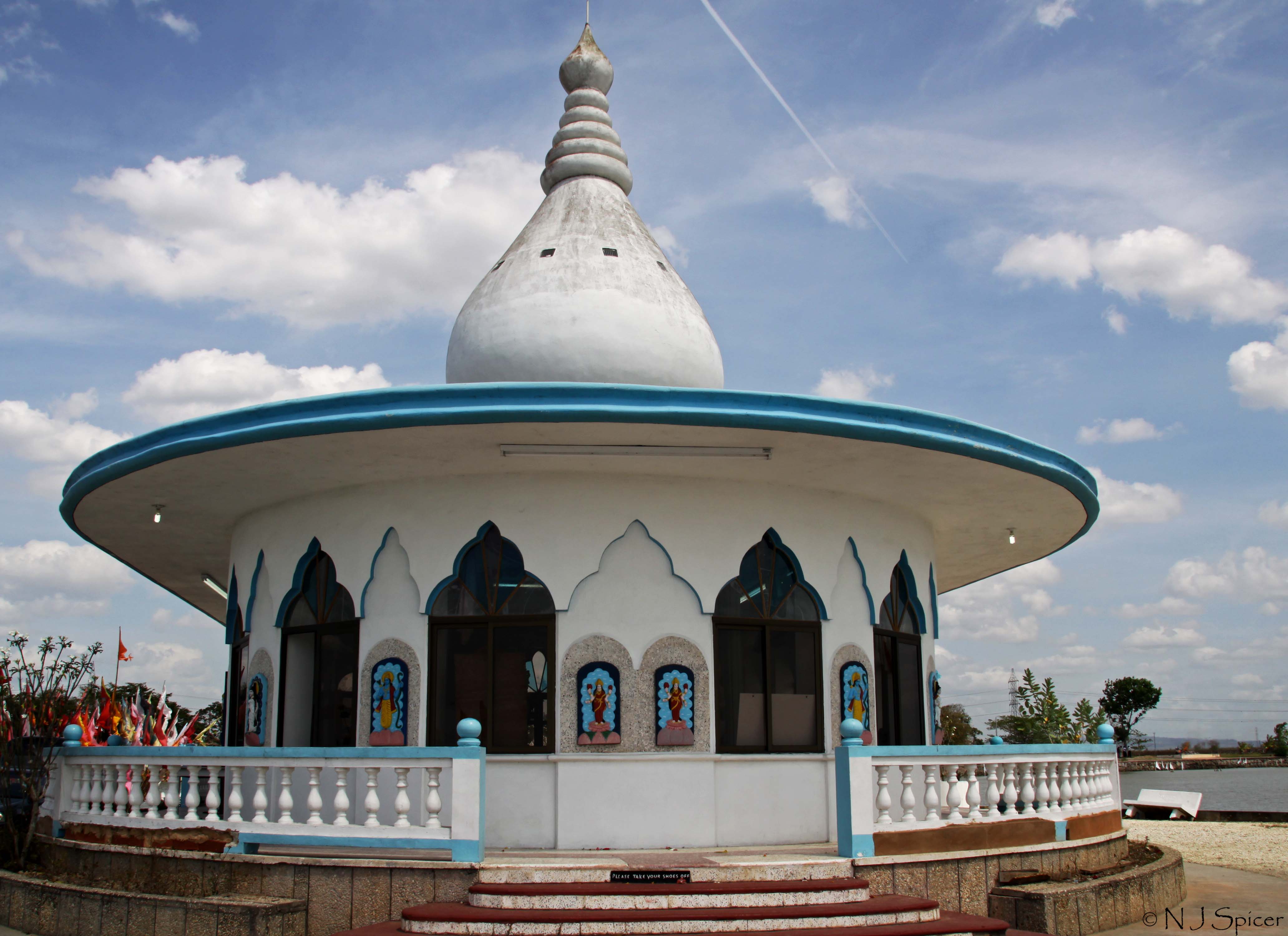
The Temple in the Sea at Waterloo, Trinidad and Tobago, is a remarkable Hindu temple originally built single-handedly in 1947 by indentured laborer Siewdass Sadhu. Constructed on a man-made island extending into the Gulf of Paria, the temple symbolizes perseverance and religious devotion amid colonial hardships. Its distinctive architecture blends traditional Hindu temple elements with local Caribbean influences. The Temple in the Sea serves as a powerful cultural and spiritual landmark for the Indo-Trinidadian Hindu community and a testament to faith overcoming adversity.
History & Origins
The Temple in the Sea was originally constructed in 1947 by Siewdass Sadhu, a Hindu indentured laborer and mason, who built it single-handedly by wading into the shallow waters off Waterloo, Trinidad. Sadhu faced colonial-era restrictions that denied him permission to build a temple on land due to his Indian ethnicity. After the original wooden temple was destroyed by a storm in 1948, Sadhu rebuilt it in concrete, completing the permanent structure in 1952. The temple is located on a man-made promontory extending into the Gulf of Paria, symbolizing resilience and devotion. It has undergone minor restorations, including maintenance in the 1990s to preserve its unique maritime setting. The temple is maintained by the Sanatan Dharma Maha Sabha, which oversees Hindu religious activities in Trinidad and Tobago.
Spiritual Significance
The temple serves as a rare Hindu shrine constructed in the sea, symbolizing Lord Vishnu’s cosmic ocean in Hindu cosmology, as referenced in the Bhagavad Purana. Devotees perform daily pujas (ritual prayers) and recite the Vishnu Sahasranama at sunrise, facing the sea. The site is central to the annual Phagwah (Holi) celebrations, where rituals include offerings of colored powders and devotional singing to honor Krishna. Pilgrims often circumambulate the temple platform, a practice reflecting the Hindu concept of pradakshina, to seek blessings for protection and spiritual cleansing. The temple stands as a monument to perseverance against colonial oppression and is a focal point for Trinidadian Hindus to celebrate their faith and heritage.
Key Facts
- •Originally built single-handedly by Siewdass Sadhu who waded into the sea
- •Sadhu was denied permission to build on land due to colonial discrimination
- •The current permanent temple was completed in the 1990s on the same location
- •Stands on a promontory extending into the Gulf of Paria
- •A powerful symbol of the determination and faith of the Indo-Trinidadian community
Location
Coordinates: 10.4086, -61.4031
Frequently Asked Questions
What religion is Temple in the Sea Waterloo associated with?▾
Temple in the Sea Waterloo is a Hinduism holy site located in Trinidad and Tobago. It was established 1947 and is ranked #948 in our global directory of sacred sites.
When was Temple in the Sea Waterloo established?▾
Temple in the Sea Waterloo dates back to 1947. Originally built single-handedly by Siewdass Sadhu who waded into the sea
How many people visit Temple in the Sea Waterloo each year?▾
Temple in the Sea Waterloo receives approximately 50,000 visitors per year. Sadhu was denied permission to build on land due to colonial discrimination
What is Temple in the Sea Waterloo known for?▾
A Hindu temple built in the sea by one devoted man, now a beloved symbol of Indo-Caribbean faith. Visitors come seeking blessings, spiritual enlightenment, peace. The current permanent temple was completed in the 1990s on the same location
Related Holy Sites
Sacred places connected by country, religion, and purpose

⛪Holy Rosary Church, Port of Spain
A prominent Catholic church reflecting Trinidad's rich multi-faith heritage.

🕌Jinnah Memorial Mosque
The largest mosque in the Caribbean, located in the heart of Port of Spain.
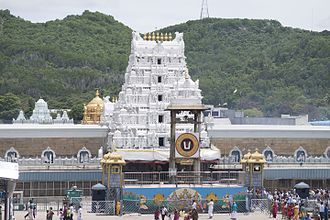
🛕Tirupati (Tirumala Venkateswara Temple)
The richest and most visited Hindu temple in the world.