
Women and Holy Sites: A Complex History of Access and Worship
From Mount Athos to the Western Wall, women's access to sacred spaces has been debated for centuries. Here's how it's changing.
Sacred Spaces and Gender
The relationship between women and holy sites is complex, varying dramatically across religions, cultures, and time periods. While some traditions have always welcomed women equally, others maintain restrictions that date back centuries.
Historical Restrictions
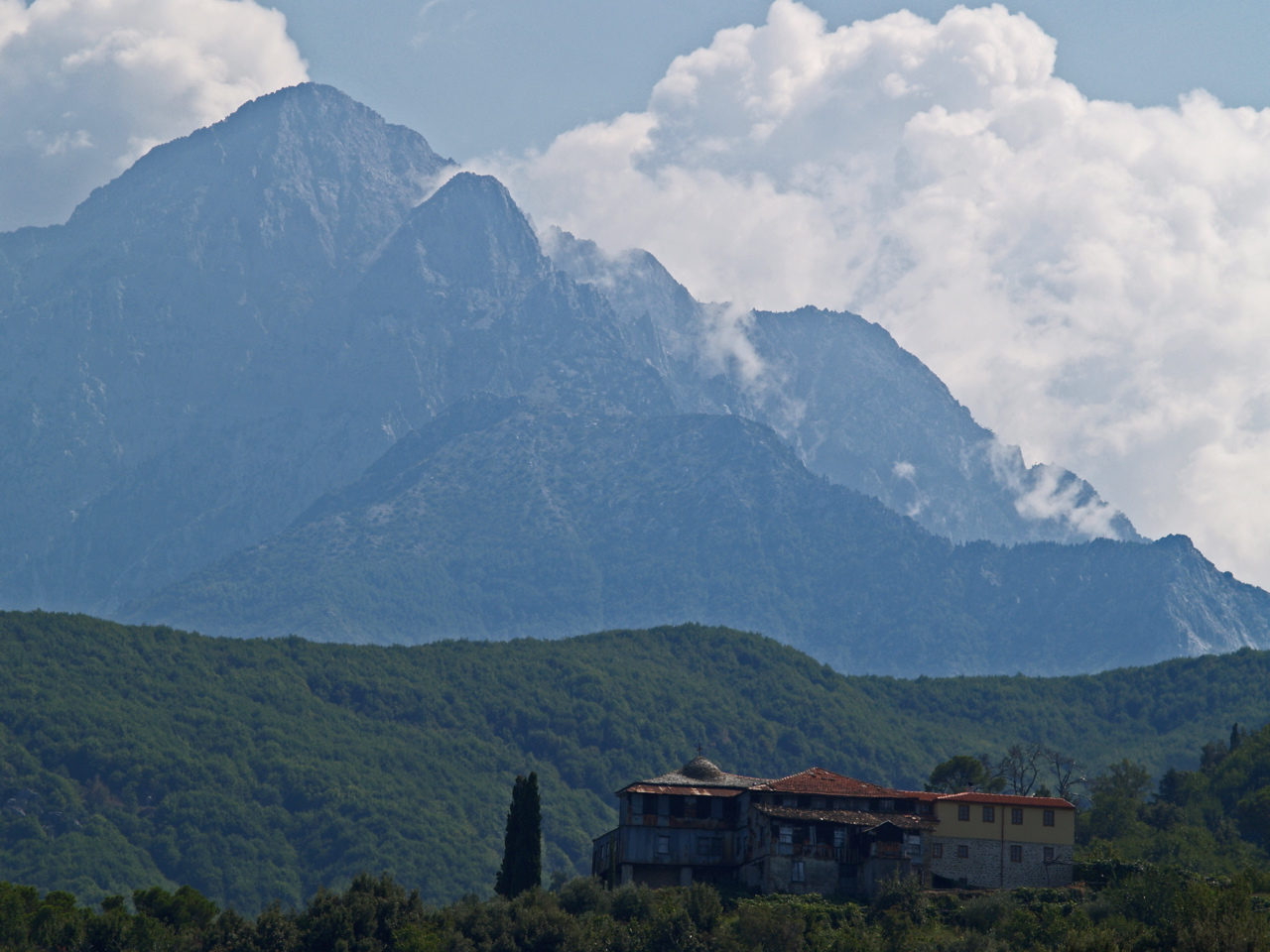
Mount Athos, Greece: Since 1046 CE, women (and even female animals) have been banned from this autonomous monastic republic. The prohibition, called the avaton, is still strictly enforced today.
Sabarimala Temple, India: Until a 2018 Supreme Court ruling, women of menstruating age (10-50) were barred from this Hindu temple. The ruling remains controversial and implementation has been complicated.
Western Wall, Jerusalem: Women can pray at the Western Wall but in a separate, smaller section. The group Women of the Wall has campaigned for decades for equal prayer rights, including the right to read Torah and wear prayer shawls.
Sites of Women's Empowerment
Many holy sites actively celebrate women's spiritual roles:
Lourdes: The entire shrine exists because a young girl, Bernadette Soubirous, was believed worthy of divine visitation.
Guadalupe: The Virgin of Guadalupe appeared to a humble indigenous man, but her image — a powerful indigenous woman — became the symbol of an entire continent's faith.
Golden Temple: Sikhism's holiest site was founded on principles of radical equality. Women participate in all aspects of worship and service equally.
The Changing Landscape
Across most religions, access is expanding. Women now serve as rabbis, bishops, and imams in progressive congregations. The conversation continues, balancing tradition with evolving understandings of equality and justice.
A Complex History of Inclusion and Exclusion
The relationship between women and sacred spaces is one of the most complex and contested topics in religious history. Across traditions, women have simultaneously been honored as embodiments of the divine feminine and excluded from the holiest precincts of the faiths they helped sustain. Understanding this paradox requires looking at specific sites and traditions in their historical and cultural context, while also recognizing the remarkable progress being made in many religious communities today.
Historical Exclusions
Mount Athos, Greece
The monastic republic of Mount Athos, home to 20 Eastern Orthodox monasteries, has maintained an avaton (prohibition) against women entering the peninsula since an imperial edict of 1046 CE. Even female animals are excluded (with the exception of cats and hens). The prohibition remains strictly enforced today — the European Parliament has formally protested it, but Greece's constitution specifically exempts Athos from anti-discrimination law due to its unique monastic status. Women can view the monasteries from boats that pass within 500 meters of the coast.
Sabarimala Temple, India
The Sabarimala temple in Kerala prohibited women of menstruating age (10 to 50) from entering for centuries, based on the belief that the temple's deity, Ayyappa, was a celibate bachelor. In 2018, India's Supreme Court ruled the ban unconstitutional, sparking massive protests and a complex political crisis. While the legal battle continues, the case has become a landmark in the global conversation about gender equality in religious spaces.
The Western Wall, Jerusalem
The Western Wall's division into separate men's and women's sections, with the men's section significantly larger, has been a source of ongoing controversy. The Women of the Wall movement, founded in 1988, has campaigned for women's right to pray aloud, read from the Torah, and wear prayer shawls at the Wall — practices restricted to the men's section under Orthodox Jewish authority. A compromise plan for a shared prayer section was approved in 2016 but remains unimplemented.
Sacred Sites Created By and For Women
Brigid's Well, Kildare, Ireland
The holy well dedicated to Saint Brigid (who may also be the pre-Christian goddess Brigid) has been a women's pilgrimage site for possibly thousands of years. Women come seeking fertility, healing, and the saint's intercession, tying clootie (cloth strips) to a hawthorn tree beside the well. The tradition of Brigidine nuns, founded by the saint in the 5th century, was recently revived after a 180-year absence.
Goddess Temples in India
India is home to numerous temples specifically dedicated to female deities where women serve as primary priests and ritual specialists. The Kamakhya Temple in Assam celebrates the menstrual cycle of the goddess — a direct inversion of the menstrual taboos found at other sites. During the annual Ambubachi Mela, the temple closes for three days to honor the goddess's menstruation, then reopens with massive celebration.
Our Lady of Guadalupe, Mexico City
The Basilica of Our Lady of Guadalupe is the most visited Catholic shrine in the world, drawing over 10 million pilgrims annually. The story of the Virgin of Guadalupe appearing to the indigenous convert Juan Diego in 1531 carried a powerful message of divine feminine compassion that resonated across gender, race, and class boundaries. The shrine has been a site of women's devotion and empowerment for nearly 500 years.
Contemporary Progress
The 21st century has seen significant changes in women's access to sacred spaces. Saudi Arabia has increasingly opened Hajj participation to women, including dropping the male guardian requirement for women over 45 and then for all women. Many Buddhist monasteries now ordain women as full bhikkhunis (nuns) after centuries of the practice being dormant. Reform and Conservative Judaism have fully embraced women's participation in all ritual roles. Christian denominations from Anglicans to Lutherans to Methodists have ordained women as priests and bishops. While significant barriers remain in many traditions, the trajectory toward greater inclusion is clear and accelerating.
Visiting as a Woman Today
Women planning pilgrimages should research site-specific dress codes and access restrictions in advance. In Islamic countries, carry a headscarf even if you do not normally wear one. At Hindu temples, check whether specific areas have gender-based access restrictions. At Orthodox Jewish sites, be aware of separation rules. Travel in groups when visiting remote sacred sites, and consider connecting with local women's pilgrimage organizations who can provide guidance and companionship.

