
The Ultimate Guide to Spiritual Pilgrimages in 2025
Everything you need to know before embarking on a sacred journey — from choosing your destination to preparing your mind and body.
Why Go on a Pilgrimage?
For thousands of years, people of every faith have undertaken sacred journeys to holy sites. Whether it's the Hajj to Mecca, the Camino de Santiago, or a Buddhist circuit of sacred sites in India, pilgrimages offer a unique combination of physical challenge, spiritual growth, and cultural immersion.
Unlike ordinary tourism, a pilgrimage is intentional travel with a spiritual purpose. The journey itself is as important as the destination — each step becomes a form of moving meditation.
Choosing Your Pilgrimage
The right pilgrimage depends on your faith tradition, physical ability, time available, and what you hope to gain:
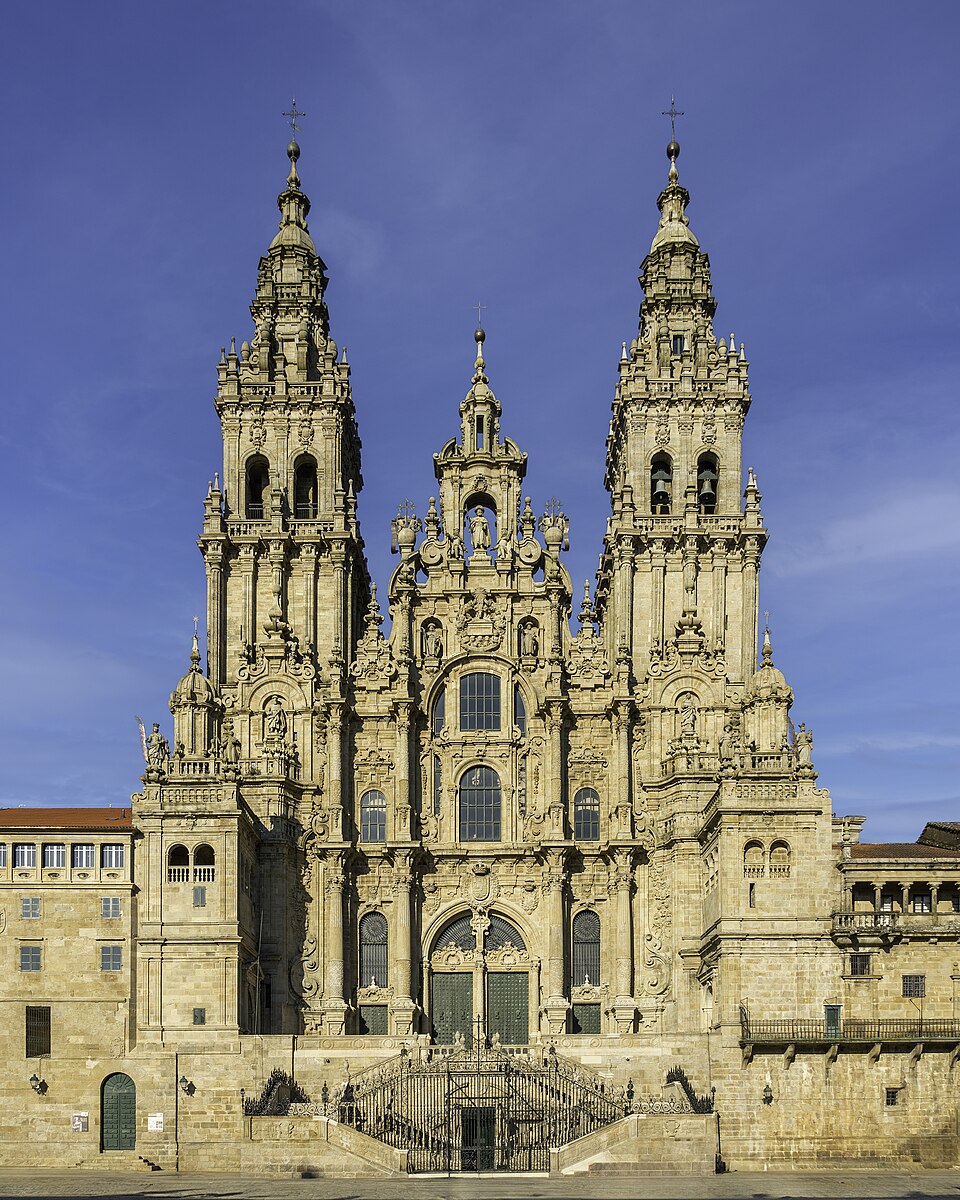
For beginners: The Camino de Santiago in Spain offers well-marked trails, abundant accommodations, and a welcoming community of fellow pilgrims. You can walk as little as the final 100 km in about a week.
For the adventurous: The kora around Mount Kailash in Tibet takes 3 days at extreme altitude and is sacred to four religions simultaneously. The 52 km circuit reaches over 5,600 meters.
For reflection: Lourdes in France welcomes millions seeking healing and hope. The atmosphere of collective prayer is profoundly moving regardless of your beliefs.
For cultural immersion: Varanasi, India's holiest city, immerses you in living Hindu traditions that have continued unbroken for over 5,000 years.
Practical Preparation
Physical
Start training at least 3 months before any walking pilgrimage. Gradually increase your daily walking distance and practice with the backpack you'll carry.
Mental
Set an intention for your journey. What are you seeking? Healing? Answers? Peace? Having a clear purpose transforms tourism into pilgrimage.
Logistical
The Return Home
Many pilgrims report that the most challenging part is returning to daily life. The insights and peace gained on pilgrimage can fade quickly without integration. Keep a journal during your journey and set aside time for reflection after returning.
Types of Pilgrimages Around the World
Not all pilgrimages are the same. Understanding the different categories can help you choose the right journey for your spiritual needs and practical circumstances.
Walking Pilgrimages
The Camino de Santiago remains the most popular walking pilgrimage in the Western world, with over 400,000 pilgrims completing it annually. But walking pilgrimages exist across every tradition. Shikoku's 88 Temple Circuit in Japan covers 1,200 kilometers around the island, taking dedicated walkers 30 to 60 days. The Char Dham Yatra in India connects four sacred Hindu sites in the Himalayas, testing both physical endurance and spiritual resolve at altitudes above 3,000 meters. In Africa, Christian pilgrims walk to Lalibela's rock-hewn churches in Ethiopia, following paths used for over 800 years.
Ritual Pilgrimages
The Hajj to Mecca is the most structured pilgrimage in any religion — a precisely choreographed sequence of rituals performed over five days that every Muslim is obligated to complete at least once. Hindu pilgrimages to the Kumbh Mela, held every 12 years at rotating river sites, draw the largest peaceful gatherings in human history, with over 100 million people attending in 2019. Jewish pilgrimage to the Western Wall in Jerusalem carries layers of historical significance stretching back to the destruction of the Second Temple in 70 CE.
Contemplative Pilgrimages
Some pilgrimages are less about physical movement and more about extended stays at sites of deep spiritual power. Buddhist meditation retreats at monasteries in Thailand, Myanmar, and Sri Lanka offer structured programs lasting from ten days to several months. Christian monastic retreats at places like Mount Athos in Greece or Taizé in France provide immersive experiences of communal prayer and silence. Sufi retreats at shrines in Turkey, Pakistan, and Morocco combine music, poetry, and meditation in transformative multi-day experiences.
What to Expect Emotionally
Pilgrimages often follow a predictable emotional arc that experienced pilgrims describe in remarkably similar terms regardless of their tradition. The first phase is excitement and anticipation, sometimes accompanied by anxiety about whether you are worthy of the journey. This gives way to a middle phase that can include physical exhaustion, doubt, frustration, and even anger — what medieval Christian writers called the "dark night" of pilgrimage. The final phase, if you persist, often brings unexpected clarity, deep peace, and sometimes profound mystical experience. Understanding this arc in advance helps pilgrims push through the difficult middle stage rather than abandoning the journey.
Pilgrimage Etiquette Across Traditions
Each tradition has its own expectations for pilgrim behavior. At Islamic sites, modest dress covering arms and legs is essential, shoes must be removed, and photography of worshippers should only be taken with explicit permission. At Hindu temples, leather should be left outside, and walking clockwise around shrines shows respect. At Buddhist sites, feet should never point toward Buddha images, and a quiet, mindful demeanor is expected. At Sikh gurdwaras, heads must be covered, shoes removed, and tobacco and alcohol avoided. At Jewish holy sites, men should wear a kippah, modest dress is expected, and photography is forbidden on Shabbat.
Planning Your Budget
Pilgrimages range enormously in cost. The Camino de Santiago can be completed for as little as 30 to 50 euros per day using pilgrim hostels (albergues) and cooking communal meals. By contrast, a Hajj package from a Western country typically costs between 5,000 and 15,000 dollars, covering flights, accommodations, guide services, and ritual logistics. Budget pilgrims to India can manage on 20 to 30 dollars per day, while organized tours to multiple sites might run 100 to 200 dollars per day. Many religious communities offer subsidized pilgrimage funds for members who cannot afford the journey — ask at your local place of worship.
Making Your Pilgrimage Count
The difference between a pilgrimage and a vacation is intentionality. Set a clear spiritual intention before departure. Keep a daily journal, noting not just what you see but how you feel. Minimize digital distractions — consider leaving your phone off for portions of each day. Engage with fellow pilgrims and local communities rather than isolating yourself. And plan specific practices for when you return home to integrate what you have learned, whether that means regular meditation, service to others, or sharing your experience with your faith community.

