
Sustainable Pilgrimage: How to Visit Holy Sites Without Harming Them
Mass tourism threatens many sacred sites. Here's how to be a responsible pilgrim who protects the places you visit.
The Paradox of Sacred Tourism
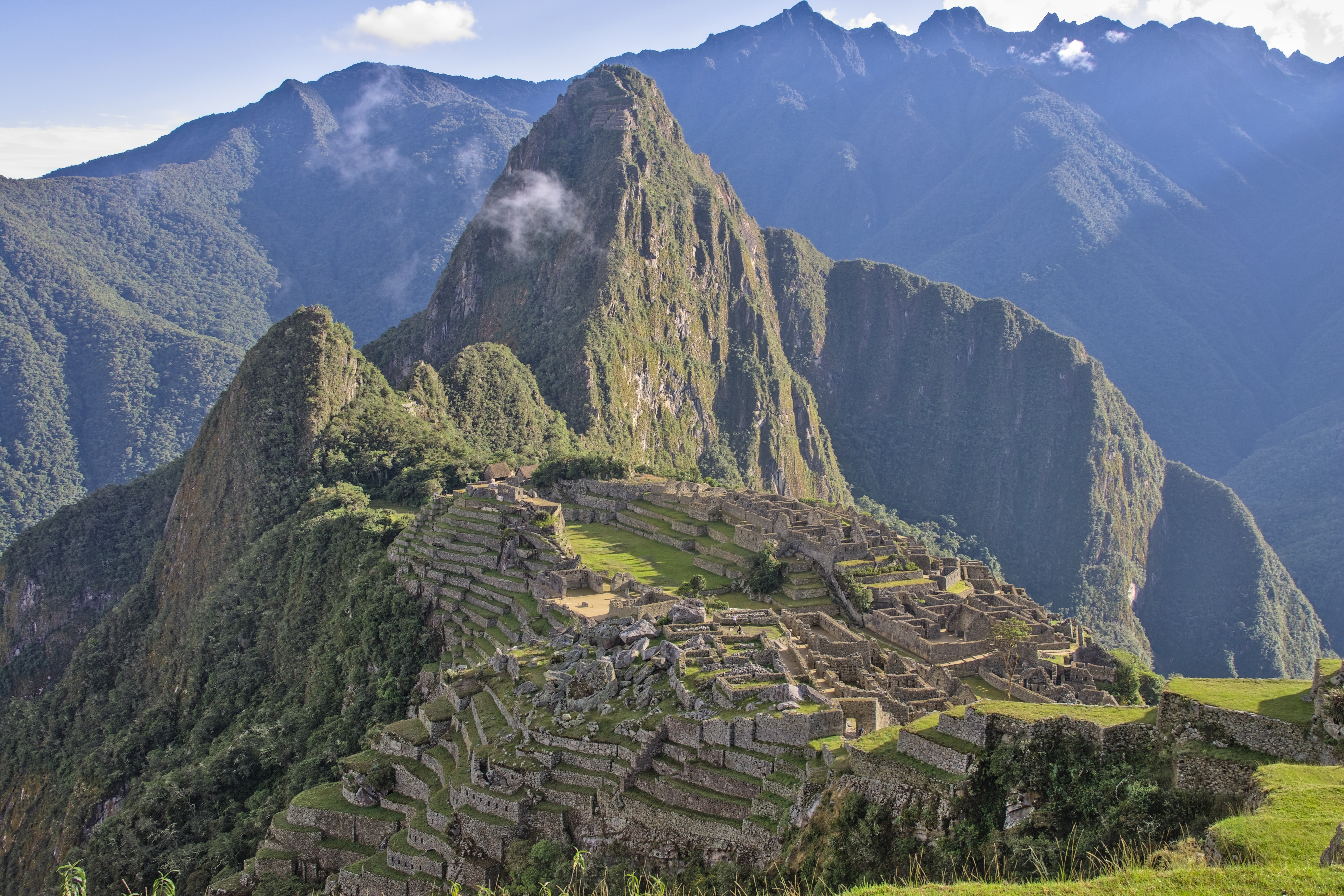
The very popularity that makes holy sites important also threatens their survival. Machu Picchu limits daily visitors to 4,044. Angkor Wat's foundations are stressed by millions of feet annually. The Camino's popularity strains rural communities along the route.
Practical Steps
Choose Off-Peak Times
Visiting outside peak seasons reduces your environmental impact and often provides a more meaningful experience. A quiet Tuesday at Borobudur beats an overcrowded Sunday.
Stay Local
Choose locally owned accommodations and eat at local restaurants. Your money supports the communities that maintain these sacred sites.
Minimize Waste
Carry a reusable water bottle, avoid single-use plastics, and pack out everything you bring in. Many sacred sites in developing countries lack waste management infrastructure.
Respect Carrying Capacity
If a site has visitor limits, respect them. Book in advance rather than showing up hoping to squeeze in. Consider lesser-known alternatives — every region has sacred sites beyond the famous ones.
Carbon Offset
Long-haul flights to sacred sites generate significant carbon emissions. Consider carbon offset programs, or balance air travel with overland journeys.
Donate
Many sacred sites depend on visitor donations for maintenance and conservation. Even small contributions add up.
The Pilgrim's Responsibility
Traditional pilgrims understood that visiting a holy site was a privilege carrying obligations. Modern travelers can honor this tradition by ensuring that the sacred places we visit survive for future generations.
As the Buddhist teaching goes: "Leave nothing but footprints, take nothing but memories."
Pilgrimage in the Age of Climate Awareness
A paradox faces the modern pilgrim: the same sacred sites we journey to see are threatened by the environmental impact of the travel industry that brings us to them. The carbon emissions from flights, the waste generated by millions of visitors, the water consumed by tourist infrastructure in water-scarce regions, and the physical erosion caused by foot traffic all take their toll on sacred landscapes. Sustainable pilgrimage is not about abandoning sacred travel — it is about traveling in ways that honor both the spiritual and the ecological dimensions of the places we visit.
Before You Go
Choose Slower Travel When Possible
The single most impactful choice you can make is how you get there. A transatlantic flight produces roughly one ton of CO2 per passenger. Where possible, choose overland travel — trains in Europe, buses in South America, or the pilgrimage itself as transportation (walking the Camino eliminates the need for separate transport entirely). If flying is unavoidable, choose direct flights (takeoffs and landings account for a disproportionate share of emissions), fly economy (more passengers per plane means less per-person impact), and consider a carbon offset through a verified program like Gold Standard or Verified Carbon Standard.
Research Local Impact Issues
Each sacred site faces unique environmental pressures. Angkor Wat is threatened by groundwater depletion from tourist hotels. Machu Picchu is experiencing trail erosion from foot traffic. The Dead Sea is shrinking due to water diversion. Coral reefs near Pacific Island sacred sites are bleaching from warming seas. Understanding the specific challenges facing your destination allows you to make informed choices about where to stay, how to travel, and what to avoid.
Pack Light, Pack Right
Every kilogram of luggage on an aircraft increases fuel consumption. Pack minimally and bring reusable items: a water bottle (refill rather than buying plastic), a cloth bag for shopping, reusable utensils, and a headlamp with rechargeable batteries. Avoid single-use toiletries — bring bars of soap and shampoo. If visiting tropical sacred sites, choose reef-safe sunscreen (chemical sunscreens containing oxybenzone and octinoxate damage coral reefs).
During Your Visit
Support Local Economies Directly
Eat at locally-owned restaurants rather than international chains. Stay in family-run guesthouses or community-managed accommodations rather than large hotel complexes. Buy souvenirs directly from artisans rather than airport shops. Hire local guides rather than using tour companies headquartered in other countries. The economic benefit of pilgrimage tourism should flow primarily to the communities that maintain and protect sacred sites, not to international hospitality corporations.
Reduce Water and Energy Consumption
Many sacred sites are in water-scarce regions. Take short showers, reuse towels, and avoid hotels with unnecessary amenities like pools and golf courses in arid areas. Turn off lights and air conditioning when leaving your room. In regions where electricity comes primarily from fossil fuels, every kilowatt-hour saved reduces the carbon footprint of your visit.
Walk and Use Public Transport
Once at your destination, minimize motorized transport. Walk between sites where possible — this is, after all, the original mode of pilgrimage. Use public buses and trains rather than taxis or rental cars. In cities like Jerusalem, Varanasi, Kyoto, and Istanbul, the major sacred sites are concentrated in areas that reward exploration on foot. The slowness of walking also aligns with the contemplative spirit of pilgrimage.
Manage Your Waste
The waste impact of tourism at sacred sites is enormous. The Camino de Santiago generates an estimated 2,500 tons of waste during peak season. Mount Everest base camp has been called the world's highest garbage dump. Carry your trash out with you, use refillable water bottles, and avoid individually packaged snacks. If you see litter at a sacred site, pick it up — this is a form of seva (selfless service) practiced across many traditions.
Giving Back
Volunteer With Preservation Organizations
Organizations like the World Monuments Fund, UNESCO, Global Heritage Fund, and CyArk are actively working to preserve threatened sacred sites. Donations of time or money directly support the conservation of the places you visit. Some organizations offer volunteer expeditions where participants contribute to restoration work at sacred sites — a meaningful way to combine pilgrimage with service.
Share Your Experience Responsibly
How you share your pilgrimage on social media matters. Photographs and posts that emphasize quiet reverence, cultural learning, and environmental awareness inspire others to travel sustainably. Content that focuses on selfies, bucket-list checking, and spectacle can encourage the kind of mass tourism that threatens sacred sites. Be the kind of pilgrim whose social media presence inspires others to visit with respect rather than consume with indifference.
The Deeper Connection
Sustainable pilgrimage is not just an environmental practice — it is a spiritual one. Every major religion teaches responsibility toward the natural world: Islam's concept of khalifah (stewardship), Christianity's care for creation, Hinduism's reverence for all living beings, Buddhism's interdependence of all things, Indigenous traditions' reciprocal relationship with the land. Traveling sustainably to sacred sites is an expression of these teachings in action. The pilgrim who walks lightly on the earth honors not only the environment but the very spiritual traditions that make these sites sacred.

