
Sacred Sounds: The Music and Chanting That Fill the World's Holy Sites
From Gregorian chant to the call to prayer, discover the sounds that have echoed through sacred spaces for millennia.
The Sound of the Sacred
Walk into any active holy site in the world and you'll hear it — the sound of devotion. Whether it's the haunting adhan echoing from a minaret, the resonant om of a Hindu mantra, or the crystalline tones of a church bell, sacred sound transforms space into something transcendent.
The Adhan (Islamic Call to Prayer)
Five times daily, the adhan rings out from mosques worldwide. The call — "Allahu Akbar" (God is Greatest) — is simultaneously a summons to prayer and a declaration of faith. In cities like Istanbul, where hundreds of mosques broadcast simultaneously, the overlapping calls create a ethereal soundscape.
Gregorian Chant
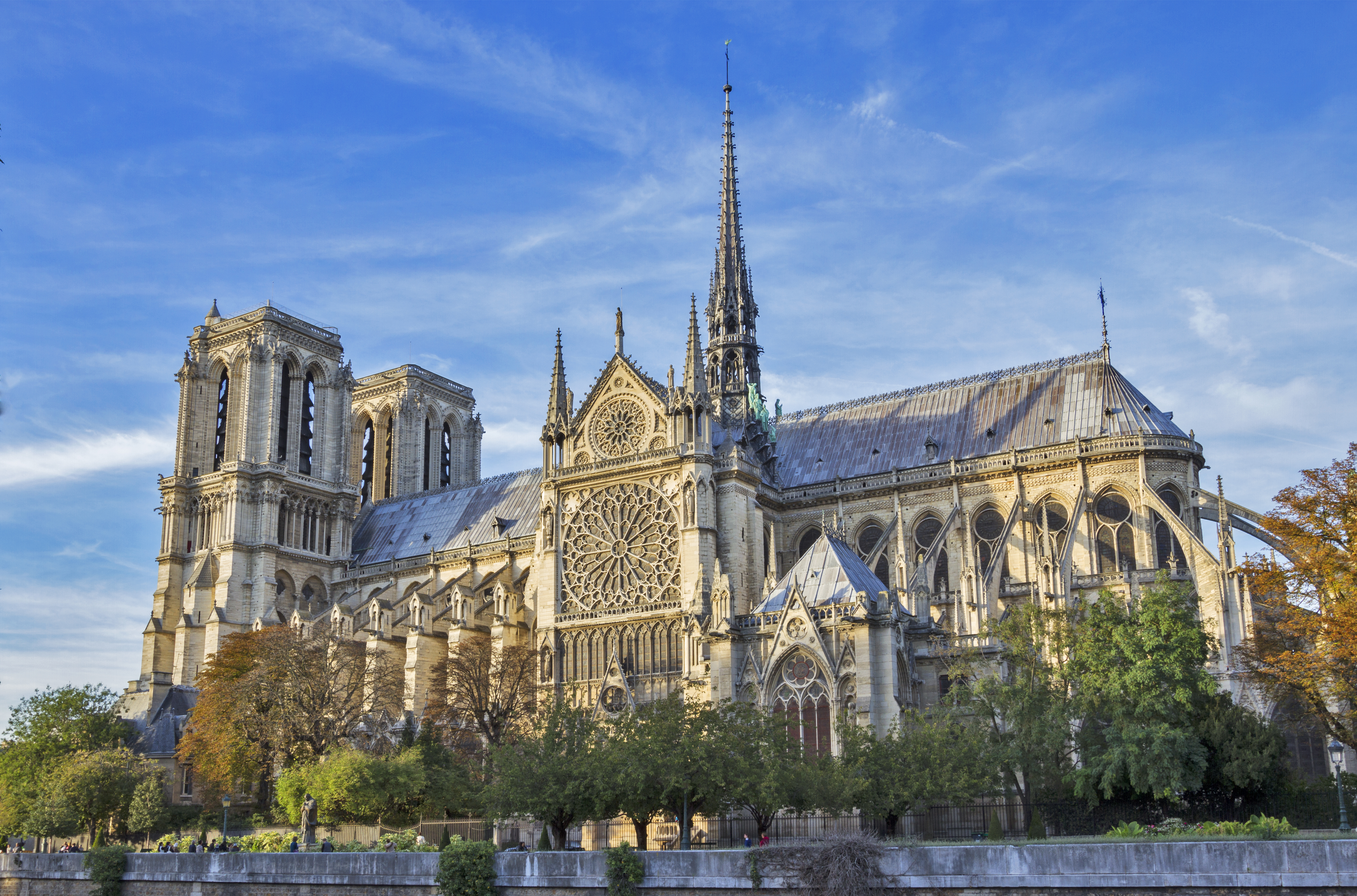
Monks have been singing these ancient melodies since the 6th century. The chant's single melodic line, free rhythm, and Latin text create a meditative atmosphere perfectly suited to stone churches and cathedrals. Notre-Dame's acoustics were literally designed around this music.
Buddhist Chanting
From the Pali suttas of Theravada monks to the overtone chanting of Tibetan practitioners, Buddhist chanting varies enormously. What remains constant is the purpose: to focus the mind and express devotion. The deep vibrations of Tibetan horns at a monastery like Potala Palace are physically felt as much as heard.
Hindu Bhajans and Kirtans
Devotional singing in Hinduism ranges from the intimate morning aarti to the ecstatic kirtan. At Varanasi's ghats, the evening Ganga Aarti combines fire, chanting, bells, and the flow of the river into a multisensory worship experience.
Shinto Gagaku
Japan's ancient court music, performed at shrines like Ise and Meiji, is possibly the oldest surviving orchestral tradition in the world, dating back over 1,200 years.
Why Sound Matters
Every sacred tradition uses sound because it works — vibration literally changes brainwave patterns, reducing stress and promoting states of contemplation. Sacred sound is technology for transforming consciousness, refined over millennia.
The Sound of the Sacred
Before there were temples, before there were scriptures, before there were priests — there was sound. The human voice raised in song, the rhythm of drums, the resonance of a cave wall amplifying a chant: these are among the oldest forms of spiritual expression. Every religious tradition uses sound as a pathway to the divine, and many of the world's most powerful sacred sites were designed with acoustics as carefully as with stone, glass, or gold. Understanding the role of sacred sound deepens the experience of visiting any holy site and reveals an often-overlooked dimension of religious architecture.
The Acoustics of Sacred Architecture
Gothic Cathedrals: Designed to Resonate
Gothic cathedrals were not just engineering achievements — they were acoustic instruments. The soaring stone vaults of Notre-Dame de Paris, Chartres, and Canterbury create reverberation times of 6 to 10 seconds, meaning that each note of a Gregorian chant overlaps with the notes that follow, creating a wash of harmonic overtones that early worshippers experienced as the voice of God filling the space. This was not accidental: medieval builders experimented with vault shapes, wall surfaces, and spatial proportions to achieve specific acoustic effects. The result is that plainchant performed in a Gothic cathedral sounds fundamentally different from the same chant in a modern room — richer, more ethereal, more overwhelming.
Mosques: The Architecture of the Call
Islamic sacred architecture is deeply concerned with acoustics. The muezzin's call to prayer (adhan) must reach worshippers across an entire neighborhood, and minarets were designed as acoustic amplifiers centuries before electronic loudspeakers. Inside the mosque, the dome serves a dual purpose: it symbolizes the vault of heaven and it focuses sound, allowing the imam's voice to reach every corner of even the largest prayer halls. The Selimiye Mosque in Edirne, designed by the great architect Sinan, is considered his masterpiece partly because of its acoustics — the imam's voice reaches every seat in the vast interior with perfect clarity.
Hindu Temples: Mantric Resonance
Hindu temple architecture incorporates acoustic principles described in ancient texts. The garbhagriha (inner sanctum), typically a small enclosed stone chamber, creates intense resonance when priests chant mantras, amplifying the sound and giving it an otherworldly quality that enhances the devotional experience. The mandapa (pillared hall) in South Indian temples often features "musical pillars" — stone columns that produce specific musical notes when struck, demonstrating sophisticated understanding of vibrational acoustics. The Vitthala Temple in Hampi has a famous set of 56 musical pillars that together can produce the notes of a complete scale.
Living Sacred Music Traditions
Gregorian Chant (Christianity)
Gregorian chant, the unaccompanied vocal music of the Western Catholic tradition, has been performed continuously since at least the 8th century. Its monophonic (single-melodic-line) structure and free rhythm create a meditative quality that has attracted interest far beyond the Christian world — Gregorian chant recordings regularly appear on meditation playlists and relaxation albums. The best places to hear it performed in its intended acoustic environment include the Abbaye de Solesmes in France (which led the modern revival of chant), the Monastery of Montserrat in Spain, and various monasteries across Italy and Germany that maintain daily chanted services.
Qawwali (Islam/Sufism)
Qawwali, the ecstatic devotional music of the Sufi tradition, is designed to induce states of spiritual ecstasy (wajd) in its listeners. Originating in the 13th century with Amir Khusrau, a disciple of the great Sufi saint Nizamuddin Auliya, qawwali combines poetry, rhythm, and group dynamics to create performances of overwhelming intensity. The best-known performer was Nusrat Fateh Ali Khan, whose recordings introduced qawwali to global audiences. The most authentic experience of qawwali is at a Sufi shrine during the urs (death anniversary) of a saint — the Data Darbar shrine in Lahore, the Ajmer Sharif Dargah in India, and the shrine of Nizamuddin Auliya in Delhi are particularly renowned.
Buddhist Chanting
Buddhist chanting traditions vary dramatically across cultures. Tibetan Buddhist monasteries produce extraordinary overtone chanting (gyuto), in which a single monk produces multiple simultaneous notes — a physical impossibility according to conventional vocal physiology that monks achieve through years of training. Theravada Buddhist chanting in Pali is melodically simpler but creates a profoundly calming atmosphere. Japanese Shingon and Tendai Buddhist chanting uses rhythmic percussion (mokugyo, temple bells) alongside vocal elements. The morning and evening chanting sessions at Buddhist monasteries worldwide are often open to visitors and provide some of the most immersive sacred sound experiences available.
Kirtan (Hinduism/Sikhism)
Kirtan — devotional call-and-response singing — is central to both Hindu bhakti tradition and Sikh worship. In Sikh gurdwaras, kirtan is performed continuously during worship hours, with teams of musicians (ragis) singing from the Guru Granth Sahib accompanied by harmonium and tabla. The Golden Temple in Amritsar offers a particularly sublime kirtan experience, with the music reverberating across the sacred pool (sarovar) surrounding the temple. Hindu kirtan, popularized globally through the Hare Krishna movement and modern practitioners like Krishna Das, uses repetitive devotional chanting to achieve meditative states.
How to Experience Sacred Sound
To experience sacred sound at its most powerful, attend a service rather than visiting during tourist hours. Arrive early and sit quietly, allowing the acoustic space to settle around you before the music begins. Close your eyes. Do not record on your phone (this both disrupts the experience and violates the privacy of worshippers). If you are moved to tears — as many visitors are during their first encounter with Gregorian chant in a Gothic cathedral, qawwali at a Sufi shrine, or Buddhist chanting in a mountain monastery — allow it. Sacred music is designed to bypass the rational mind and speak directly to the emotional and spiritual core of the listener. Resistance diminishes the experience; openness amplifies it.

