
Healing Holy Sites: From Lourdes to the Ganges
Millions visit sacred sites seeking physical and spiritual healing. Here's the science and faith behind the world's most famous healing destinations.
The Power of Sacred Healing
Every major religion has sites associated with miraculous healing. From the spring waters of Lourdes to the ghats of Varanasi, millions of people annually seek physical and spiritual restoration at holy places.
Lourdes, France
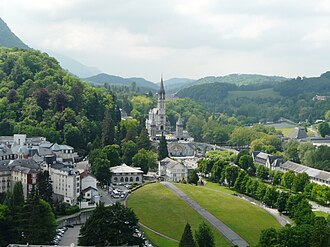
Since 1858, over 7,000 unexplained medical recoveries have been documented at Lourdes. The Catholic Church has officially recognized 70 as miraculous, applying rigorous medical criteria. Whether you attribute healings to divine intervention, the placebo effect, or the power of collective prayer, the documented cases are remarkable.
The spring water itself has been extensively tested and contains no unusual properties. Yet millions continue to bathe in the waters and report benefits ranging from physical healing to profound spiritual peace.
The Ganges River, Varanasi
For Hindus, the Ganges is not merely a river but a goddess — Ganga Ma (Mother Ganges). Bathing in her waters is believed to wash away sins and cure ailments. Despite well-documented pollution, studies have shown the river contains unusually high levels of bacteriophages that attack harmful bacteria.
Chimayo, New Mexico
Called the "Lourdes of America," the Santuario de Chimayo's sacred dirt (tierra bendita) is believed to have healing properties. The walls of the church are lined with abandoned crutches, canes, and notes of gratitude. Around 300,000 pilgrims visit annually.
The Science of Sacred Healing
Research in psychoneuroimmunology shows that belief, hope, and community support can measurably affect health outcomes. The "pilgrimage effect" — combining physical exertion, social bonding, spiritual practice, and hopeful expectation — creates optimal conditions for both psychological and physiological healing.
The Phenomenon of Sacred Healing Sites
Every major religion maintains sites specifically associated with healing, and the consistency of this tradition across unrelated cultures is striking. Whether it is the thermal springs of Bath in England (dedicated to the Celtic goddess Sulis and later the Roman Minerva), the sacred cenotes of the Maya, or the hot springs of Beppu in Japan, humanity has long associated certain places with the restoration of health. The question of why people report healing at these sites — and whether those reports represent genuine medical phenomena — remains one of the most fascinating intersections of science and spirituality.
Lourdes: 70 Verified Miracles and Counting
Since Bernadette Soubirous reported her visions of the Virgin Mary in 1858, the Catholic Church has officially recognized 70 miraculous healings at Lourdes — but this number represents only cases that survived rigorous medical investigation by the Lourdes Medical Bureau, which includes physicians of all faiths and none. For a cure to be recognized, the original illness must be objectively documented, the recovery must be complete, instantaneous, lasting, and inexplicable by current medical science. Thousands of additional cases of improvement or healing have been reported but did not meet every criterion. Approximately six million pilgrims visit Lourdes annually, and surveys consistently show that the majority report some form of spiritual or emotional benefit, even when physical healing does not occur.
The Ganges: Sacred River of Purification
For over three thousand years, Hindus have considered the Ganges the most sacred river on Earth, believing that bathing in its waters purifies the soul and can cure illness. Modern science has discovered that Ganges water does possess unusual properties — studies have documented antibacterial qualities attributed to bacteriophages (viruses that destroy bacteria) present in the river. While the river also carries significant pollution from industrial and urban sources, the traditional healing claims are not entirely without biochemical basis. The city of Varanasi, where pilgrims gather at the ghats to bathe and perform rituals, has been a continuous center of healing pilgrimage for over five millennia.
Epidaurus: Ancient Greece's Healing Temple
The Sanctuary of Asklepios at Epidaurus in Greece was the most famous healing center of the ancient world, operating from the 6th century BCE to the 5th century CE — roughly a thousand years. Patients would undergo a process called incubation: after ritual preparation, they would sleep in a sacred dormitory (the abaton) and await a healing dream in which the god Asklepios would appear with a cure. Inscribed stele at the site record dozens of cases — broken bones mended, sight restored, infertility cured — with clinical precision that reads like ancient medical case files. Modern scholars debate whether these represent faith healing, primitive medical interventions disguised as divine action, or a combination of both.
Chimayo: The Lourdes of America
The Santuario de Chimayo in northern New Mexico draws over 300,000 visitors annually, with as many as 30,000 making the pilgrimage on foot during Holy Week. The small adobe church, built in 1816, contains a room with a hole in the floor where pilgrims collect sacred earth believed to have healing properties. The walls of the adjacent room are covered floor-to-ceiling with discarded crutches, braces, and written testimonials from those who believe they were healed. Chimayo represents a fusion of Catholic and Indigenous healing traditions — the site was sacred to the Tewa people long before the Spanish arrived, associated with healing mud and sacred earth.
What Science Says
Research into pilgrimage healing has produced genuinely interesting results. Studies at Lourdes and other healing sites have documented measurable physiological changes in pilgrims, including reduced cortisol levels (a stress hormone), improved immune function markers, and decreased inflammation. The psychological benefits are even more well-documented: reduced anxiety and depression, improved sense of meaning and purpose, and enhanced social connection. Harvard researcher Herbert Benson's work on the "relaxation response" suggests that the combination of ritual, belief, community, and contemplative practice found at healing pilgrimage sites triggers genuine physiological healing mechanisms. The healing may not be miraculous in the theological sense, but it appears to be real in the medical sense.
Visiting Healing Sites Respectfully
If you visit a healing site, whether as a believer or an observer, approach with sensitivity. Many of the people around you may be dealing with serious illness, grief, or desperation. Avoid treating the experience as spectacle. If photography is permitted, ask permission before photographing individuals. Participate in rituals if invited but do not pretend to beliefs you do not hold. And remain open to the possibility that the experience may affect you in ways you did not expect — many self-described skeptics report being profoundly moved by the atmosphere of collective hope and faith at these sites.

