
Sacred and Endangered: Holy Sites Threatened by Climate Change and Conflict
From rising seas to armed conflict, many of the world's most important holy sites face existential threats. What's being done to save them.
Sacred Heritage at Risk
The world's holy sites face unprecedented threats — from rising seas and extreme weather to armed conflict and unchecked development. Preserving these irreplaceable treasures requires urgent action.
Climate Threats
Venice's Churches: Rising sea levels and increasingly frequent flooding threaten centuries of sacred art. The Basilica of San Marco has experienced catastrophic flooding multiple times in recent years.
Sundarbans Sacred Groves, Bangladesh: These mangrove forests, considered sacred by local communities, are disappearing as sea levels rise and cyclones intensify.
Kilimanjaro, Tanzania: Sacred to the Chagga people, the mountain's glaciers — considered the dwelling place of God — have lost 85% of their ice since 1912.
Conflict Damage
Palmyra, Syria: ISIS systematically destroyed temples dating back 2,000 years. The Temple of Bel and the Arch of Triumph were demolished in 2015.
Bamiyan Buddhas, Afghanistan: The Taliban destroyed two colossal 6th-century Buddha statues in 2001. The empty niches remain as a haunting memorial.
Mosul, Iraq: The Great Mosque of al-Nuri and its iconic leaning minaret were destroyed during the battle against ISIS in 2017. Reconstruction is underway.
Conservation Efforts
UNESCO's World Heritage program provides international protection and funding. The Aga Khan Trust for Culture has restored historic mosques across Central Asia and the Middle East. Digital documentation projects create detailed 3D records of vulnerable sites.
What You Can Do
Visit responsibly, support conservation organizations, and advocate for cultural heritage protection. These sites belong to all humanity — their preservation is everyone's responsibility.
Sacred Places Under Threat
The same forces threatening the natural world — climate change, conflict, unchecked development, and political instability — are also threatening the world's sacred heritage. Unlike secular buildings, holy sites carry irreplaceable spiritual significance: when a cathedral burns or a mosque is destroyed, the loss is not merely architectural but existential for the community whose identity is bound up with that place. The threat to sacred sites is accelerating, and awareness is the first step toward preservation.
Climate Change: Rising Waters and Crumbling Stone
Climate change poses an existential threat to sacred sites across the globe. Rising sea levels threaten the ancient mosque city of Suakin in Sudan, the temples of Angkor Wat in Cambodia (where changing water tables are undermining foundations), and the historic churches of Venice. In the Arctic, indigenous sacred sites are being lost to permafrost thaw and coastal erosion. In the Himalayas, glacial retreat is altering the landscape around sacred mountains and threatening the water sources that sustain pilgrimage routes. The Church of the Nativity in Bethlehem, the Western Wall in Jerusalem, and the great mosques of Timbuktu are all experiencing accelerated deterioration from increasingly extreme weather patterns. Coral reef ecosystems sacred to Pacific Islander communities are bleaching and dying as ocean temperatures rise.
Armed Conflict: Deliberate and Collateral Destruction
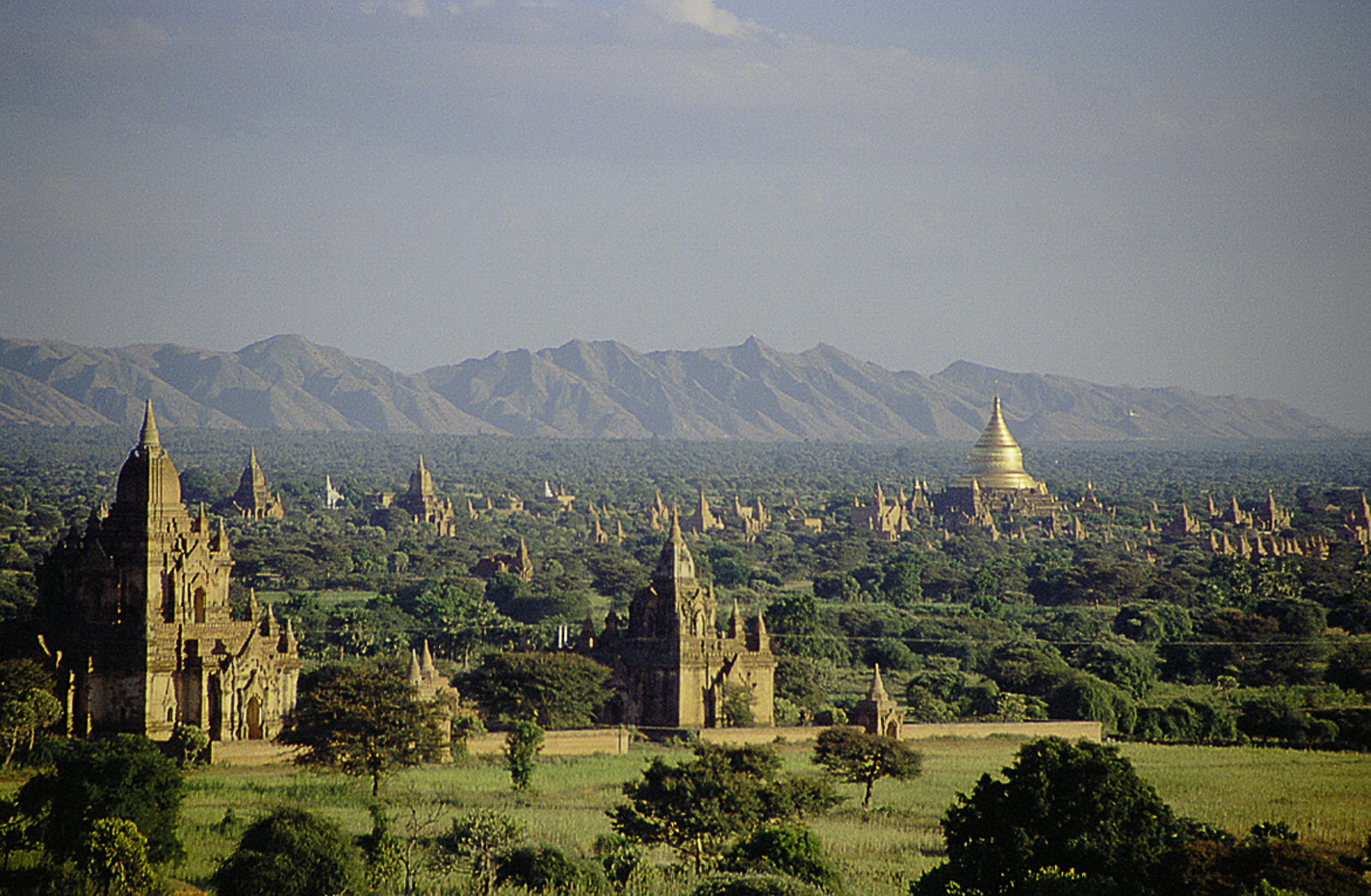
The deliberate destruction of sacred sites has been a feature of warfare throughout human history, but the 21st century has seen particularly devastating examples. ISIS's systematic destruction of sacred sites in Iraq and Syria — including the ancient Mosque of the Prophet Yunus (Jonah) in Mosul, the Temple of Bel in Palmyra, and Sufi shrines across the region — was explicitly intended to erase spiritual heritage. In Yemen, Saudi-led coalition airstrikes have damaged or destroyed over 70 mosques, churches, and sacred archaeological sites. In Myanmar, the military junta's campaigns have damaged Buddhist temples in conflict zones. The ongoing conflict in Ukraine has damaged or destroyed hundreds of churches, mosques, and synagogues, with UNESCO documenting over 300 cultural sites affected.
Development Pressure: When Progress Threatens the Sacred
Economic development poses a subtler but equally serious threat. In India, the sacred Ganges faces industrial pollution that threatens both its ecological health and its spiritual significance. In Saudi Arabia, massive expansion projects around the Holy Mosques in Mecca and Medina have demolished Ottoman-era and earlier Islamic heritage sites, sparking anguished debate within the Muslim world about whether modernization is compatible with preservation. In Jerusalem, archaeological excavations and construction projects near the Temple Mount/Haram al-Sharif routinely ignite political and religious controversy. In China, Buddhist and Taoist temples have been demolished or commercialized to the point where their spiritual character is overwhelmed by tourist infrastructure.
Case Studies in Loss
Bamiyan Buddhas, Afghanistan
The Taliban's destruction of the two monumental Bamiyan Buddhas in March 2001 — standing for over 1,500 years — remains the defining act of cultural vandalism of the 21st century. The empty niches in the cliff face now serve as a different kind of sacred site: a memorial to the fragility of cultural heritage and the destructive potential of ideological extremism.
Notre-Dame de Paris, France
The accidental fire of April 2019 that destroyed the medieval roof and spire of Notre-Dame shocked the world and demonstrated that even the most famous and well-maintained sacred sites are vulnerable. The ongoing restoration, expected to be completed in stages through 2024 and beyond, has become a global project involving craftspeople from dozens of countries.
Sufi Shrines of Timbuktu, Mali
In 2012, Ansar Dine militants destroyed 14 of Timbuktu's Sufi mausolea, UNESCO World Heritage sites dating to the medieval era. The International Criminal Court subsequently convicted a militant leader of war crimes for the destruction — the first ICC conviction specifically for the destruction of cultural heritage. Community-led reconstruction, using traditional building techniques, has restored many of the shrines.
What Can Be Done
International frameworks like the 1954 Hague Convention for the Protection of Cultural Property and UNESCO's World Heritage program provide legal protection for sacred sites, but enforcement remains challenging, particularly in conflict zones. Digital preservation projects, including 3D scanning and photogrammetric documentation, are creating detailed records of threatened sites — the CyArk foundation has documented over 200 at-risk heritage sites. Climate adaptation strategies, including drainage improvements, structural reinforcement, and protective barriers, are being implemented at vulnerable sites. And local communities remain the most effective guardians of their sacred heritage — supporting their capacity to maintain and protect their own sites is the single most impactful investment in sacred site preservation.
The Visitor's Role
Visitors can contribute to the preservation of sacred sites by paying entrance fees, making donations to maintenance funds, following all posted rules (touching, climbing, and flash photography all cause cumulative damage), and choosing tour operators who respect site protocols. Advocacy also matters: when development projects threaten sacred sites, international attention and pressure can influence outcomes. And simply visiting — bearing witness to the beauty and significance of threatened sites — reminds both local communities and the wider world of what stands to be lost.

