
Written in the Stars: Ancient Temples Aligned with the Cosmos
From Stonehenge to Angkor Wat, our ancestors built sacred structures with remarkable astronomical precision. Here's how and why.
Cosmic Architecture
Long before telescopes or computers, ancient builders aligned their most sacred structures with celestial events — solstices, equinoxes, star risings — with precision that still astounds modern astronomers.
Stonehenge, England (c. 3000 BCE)
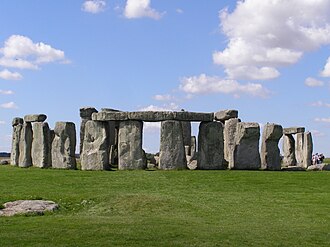
The most famous astronomical monument. On the summer solstice, the sun rises directly over the Heel Stone when viewed from the center of the circle. On the winter solstice, the sun sets between the tallest trilithon. This dual alignment suggests the builders tracked the complete solar cycle.
Newgrange, Ireland (c. 3200 BCE)
On the winter solstice, a beam of sunlight enters through a precisely positioned roof box and illuminates the inner chamber for exactly 17 minutes. The accuracy required — over a passage 19 meters long — is extraordinary.
Chichen Itza, Mexico (c. 600 CE)
During the spring and fall equinoxes, the afternoon sun creates a shadow pattern on the Temple of Kukulkan that resembles a serpent descending the staircase to the ground. The pyramid's 365 steps correspond to the days of the year.
Angkor Wat, Cambodia (c. 1150 CE)
The entire temple complex encodes astronomical data. On the spring equinox, the sun rises directly over the central tower. The distances between structures correspond to cycles of the Hindu cosmological calendar.
Karnak Temple, Egypt (c. 2000 BCE)
The Great Temple of Amun-Ra is aligned so that on the winter solstice, sunlight penetrates the entire length of the temple — over 200 meters — to illuminate the inner sanctuary.
Why Astronomical Alignment?
For ancient peoples, celestial cycles governed everything — planting, harvesting, navigation, and religious festivals. Aligning temples with the cosmos connected human worship to the fundamental rhythms of the universe. These buildings were clocks, calendars, and cathedrals all in one.
When Temples Were Calendars
Long before clocks, calendars, and GPS, humanity's most reliable timekeeping instrument was the sky. The sun's position at solstice and equinox, the phases of the moon, the rising of specific stars — these celestial events governed planting, harvesting, migration, and the timing of religious festivals. It should come as no surprise, then, that many of the world's oldest and most sacred buildings were designed as precision astronomical instruments, encoding celestial knowledge in stone with remarkable accuracy. Understanding these alignments transforms a visit to an ancient sacred site from simple sightseeing into an encounter with the sophisticated astronomical knowledge of our ancestors.
Solar Alignments
Newgrange, Ireland (c. 3200 BCE)
The passage tomb at Newgrange is designed so that at winter solstice sunrise, a beam of light enters through a precisely positioned "roof box" above the entrance and travels 19 meters down the passage to illuminate the inner chamber for exactly 17 minutes. This alignment has functioned for over 5,200 years, surviving earthquakes and land subsidence. The engineering precision required — the roof box aperture is just 20 centimeters wide — demonstrates that the builders possessed astronomical knowledge and construction skills of a very high order. The annual solstice illumination, witnessed by lottery-selected visitors (over 30,000 apply each year for 50 spots), remains one of the most powerful encounters with prehistoric intelligence available today.
Karnak Temple, Egypt (c. 2000-100 BCE)
The great Temple of Amun-Ra at Karnak was oriented so that the axis of the main hall aligns precisely with the winter solstice sunrise. On that morning, sunlight penetrates the entire length of the temple — through the massive hypostyle hall with its 134 columns, past the inner sanctum, to illuminate the shrine of Amun-Ra at the very back. The temple's axis was adjusted several times over its 2,000-year construction history to correct for the precession of the equinoxes, demonstrating that Egyptian astronomers tracked this subtle 26,000-year cycle.
Chichén Itzá, Mexico (c. 600-1000 CE)
The Pyramid of Kukulcán (El Castillo) at Chichén Itzá creates a spectacular visual effect at each equinox: the late afternoon sun casts triangular shadows down the northern staircase that merge with a carved serpent head at the base, creating the illusion of a feathered serpent (Kukulcán/Quetzalcóatl) descending from heaven to earth. The pyramid's four staircases have 91 steps each, plus the platform on top, totaling 365 — the number of days in a solar year. The Maya astronomical achievement represented by Chichén Itzá includes accurate calculations of the lunar cycle, Venus's synodic period, and solar and lunar eclipses.
Stellar Alignments
The Great Pyramid of Giza, Egypt (c. 2560 BCE)
The Great Pyramid's internal shafts are aligned with specific stars: the "air shafts" in the King's Chamber point toward Orion's Belt (associated with the god Osiris) and the circumpolar stars (associated with immortality), while the Queen's Chamber shafts align with Sirius (associated with the goddess Isis). The pyramid's base is oriented to true north with an accuracy of less than 0.05 degrees — a precision that was not equaled until the invention of modern surveying equipment. Whether these alignments served a practical funerary purpose (guiding the pharaoh's soul to the stars) or encoded astronomical knowledge, they demonstrate observational capabilities that still impress modern astronomers.
Angkor Wat, Cambodia (c. 1100-1150 CE)
Recent research has revealed that Angkor Wat's layout encodes precise astronomical measurements. The distances between the temple's towers correspond to astronomical time cycles in Hindu cosmology. The spring equinox sunrise aligns with the central tower when viewed from a specific point on the western causeway, creating a spectacular visual effect. The temple's bas-reliefs include a depiction of the "Churning of the Ocean of Milk" whose 91 figures on each side (totaling 364, close to the number of days in a lunar year) may encode calendrical information.
Stonehenge, England (c. 3000-2000 BCE)
Stonehenge's most famous alignment is with the summer solstice sunrise, when the sun rises directly above the Heel Stone and its light penetrates the center of the monument. But Stonehenge also incorporates lunar alignments: the Station Stones mark the extreme positions of the moon on its 18.6-year cycle. The Aubrey Holes (56 postholes in a circle around the monument) may have served as an eclipse prediction device — moving stones between holes in a specific pattern allows prediction of lunar eclipses with reasonable accuracy.
What These Alignments Tell Us
The astronomical knowledge embedded in ancient sacred architecture has profound implications. It demonstrates that prehistoric peoples were systematic, precise, and patient observers of the sky — tracking celestial cycles that take decades or centuries to complete required multi-generational projects of observation and record-keeping. It shows that the distinction between "science" and "religion" is a modern invention — for our ancestors, understanding the cosmos and worshipping the divine were the same activity. And it reminds us that sacred buildings were not merely places of prayer but technologies: precision instruments designed to connect human communities to the cosmic rhythms that governed their lives.
Experiencing Alignments Today
If you plan to visit an astronomically aligned sacred site during a significant celestial event, plan well in advance. Newgrange's solstice viewing is determined by lottery (apply through the OPW Heritage Ireland website). Chichén Itzá's equinox events draw tens of thousands and require early arrival. Stonehenge opens for free access on solstice mornings (arrive by midnight for the best experience). Many sites that are not famous for astronomical alignments also have them — ask local guides about solstice, equinox, or significant star-rise alignments at any ancient sacred site you visit.

